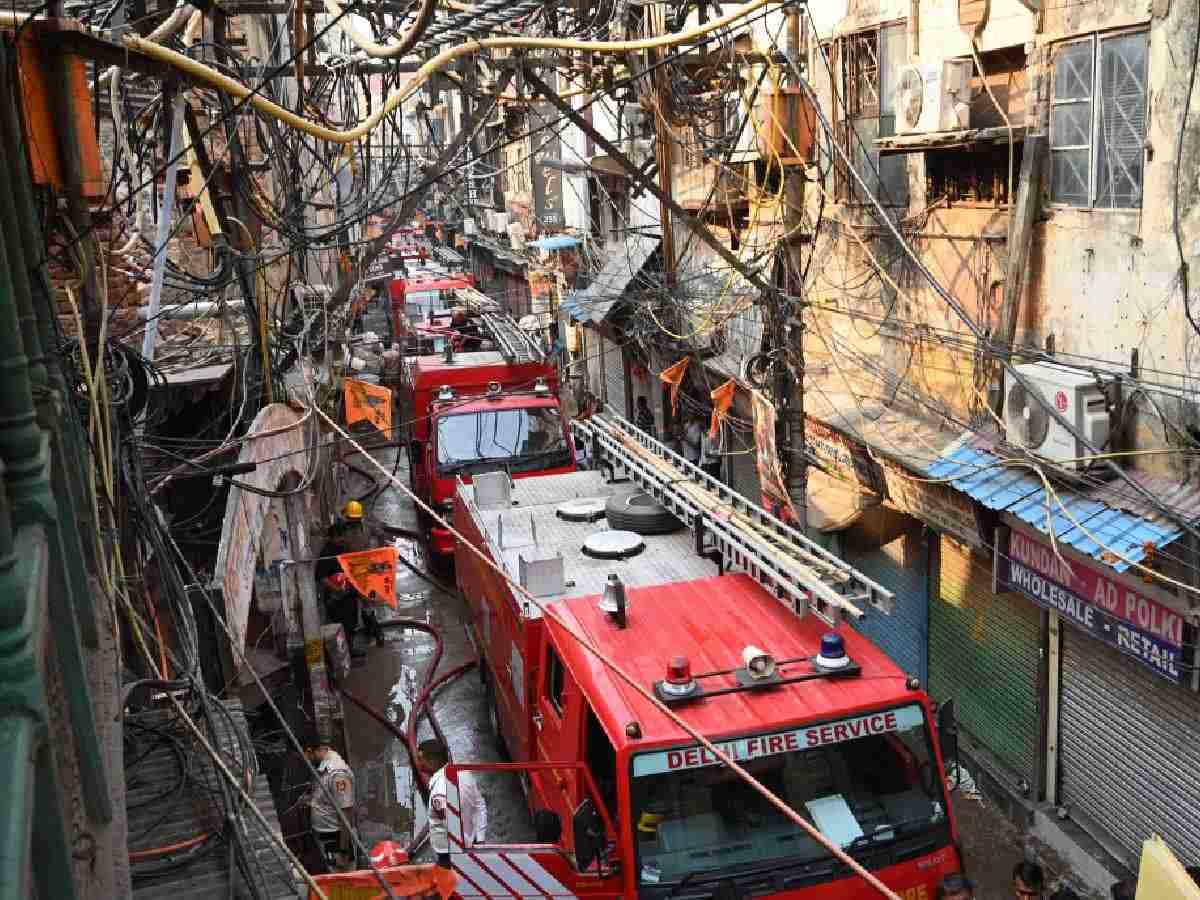
Loose wires and waterlogged streets have once again proven to be a deadly combination in the Capital. As water conducts electricity efficiently, Delhi has witnessed numerous electrocution incidents during this year’s monsoon season.
While the likelihood of death from electrocution is generally low, fatalities in the Capital have already reached double digits. According to Delhi Police data, there were 10 cases in the Outer district, six in North West, two in Dwarka, and another six in South West, between January and July 25.
Most of these deaths occurred during the rainy season that continues to grip the city. Data from the districts show that 24 electrocution deaths were recorded in this period alone.
These were preventable deaths, which, experts and police argue, could have been avoided had civic agencies like the Municipal Corporation of Delhi (MCD), Delhi Development Authority (DDA), and the Delhi government acted with urgency and coordination.
Common causes
The causes of these deaths range from unauthorised cable installations and illegal network extensions to poor internal wiring, power theft, unsafe equipment storage, and exposed wires coming into contact with rainwater. Kite flying and overloaded systems have also been flagged by power distribution companies as contributing factors.
One of the most heart-wrenching incidents occurred on the night of July 30 in Begumpur, Outer Delhi. Siblings Vivek, 26, and Anju, 28, were fatally electrocuted after touching an iron gate that had become live due to faulty wiring. Their father, Kalicharan, who tried to intervene, was seriously injured and remains hospitalised.
Police received an emergency call at 10:56 PM, moments after the incident took place around 11 PM. Upon arrival, they discovered hazardous electrical wiring coiled around a staircase grill. Vivek, a welding labourer like his father, was electrocuted first. Kalicharan and Anju were also injured as they tried to save him. Both siblings were declared dead at Aggarsain Hospital. Anju, a homemaker, had been married only three months earlier. Their bodies were later sent to Sanjay Gandhi Hospital.
According to discom estimates, more than 20 electrocution deaths had already occurred in 50 separate incidents until May this year.
Police officials expressed frustration over the lack of institutional accountability. “It would have been far simpler for us if civic authorities like the DDA and Public Works Department (PWD) took responsibility and monitored such incidents. Reducing the death toll in these cases is not that challenging,” said a senior police officer from Dwarka.
Sachin Sharma, Deputy Commissioner of Police, Outer district, said, “These were caused because of loose, exposed wires, overexposure from high voltage wires, and other such situations which should never have occurred.”
Even affluent areas not spared
Interestingly, even well-off areas have not been immune. The South West district, which includes some of Delhi’s posher localities, recorded six electrocution deaths—four of them in Vasant Kunj and Delhi Cantonment alone.
Also Read: Dengue and Malaria cases surge in Delhi as monsoon intensifies
On July 22, a tragic death was reported from Mahipalpur. Chintamani, a resident of House No. A-9, Old Holy Chowk, was electrocuted while switching off a water motor located at the base of a staircase in his building.
His wife, Sunita, 50, said they had been tenants on the fourth floor of the property for three years and had repeatedly warned the landlady about the exposed wires connected to the motor.
“The landlady ignored our complaints time and again,” she said. “Her negligence in failing to insulate the wires has cost my husband his life.”
Chintamani was rushed to the hospital but died during surgery.
Other incidents
Another fatal case was recorded in Model Town, North West Delhi, where Firoz Ansari, a 35-year-old electrician, died on July 22 while working at a construction site in Mahendru Enclave.
Police said Ansari had been working on electrical fittings in the parking area when he came into contact with exposed wires on a temporary board mounted on a wall. The board had no insulation or safety precautions.
Ansari’s colleague, Anil, rushed him to Vinayak Hospital, but doctors declared him dead on arrival at 12:30 PM. Investigations revealed that no safety equipment had been provided, and there were no eyewitnesses at the time of the incident.
A case has been filed under Sections 290 (negligent conduct with respect to machinery) and 106(1) (causing death by negligence) of the Bharatiya Nyaya Sanhita (BNS).
Government facilities too have not been spared. On June 20, Sanju Yadav, a 25-year-old contractual labourer from Noida, died while cleaning a pump at the Delhi Jal Board’s Chandrawal water treatment plant in Civil Lines.
According to police, Yadav received a fatal electric shock from live components while on duty and was declared dead on arrival at hospital. A case of negligence has been registered at the Civil Lines police station under Sections 289 and 106 of the BNS.
Safety initiatives
In response to the surge in accidents, BSES Rajdhani Power Limited (BRPL) and BSES Yamuna Power Limited (BYPL) have launched a city-wide monsoon safety drive to protect more than 2.25 crore residents.
Their initiative includes pre-monsoon maintenance, raising transformer platforms in flood-prone areas, waterproofing switchgear systems, and fencing off transformers to prevent accidental contact. Quick Response Teams and centralised war rooms have been set up to handle emergencies.
A public awareness campaign is also underway to educate citizens on electrical safety during monsoons.
Discoms have flagged illegal hooking of wires and unplanned infrastructure digging as major hazards, both of which increase the risk of electrocution. Residents have been urged to report such activities through official helplines.
Delhi recorded 185.9 mm of rainfall in May this year—the wettest May in more than a century, according to the India Meteorological Department.
Accountability still missing
Despite repeated tragedies and public concern, accountability remains elusive. On August 3 last year, the National Human Rights Commission took suo motu cognisance of electrocution deaths caused by rainfall on July 31 and August 1, calling them a “matter of concern” and pointing to “negligence by civic authorities.”
Yet a year later, meaningful action is still pending. The MCD and DDA continue to blame each other while exposed wires and negligent practices remain commonplace across the Capital.
At least 50 cases have already been reported this month; NCPCR guidelines mandate help desks,…
DMRC says zero reduction in train trips, attributes decline to security measures and public apprehension…
A Delhi court denied bail to a former DU professor accused of raping a student,…
Delhi Police charged seven dhaba workers in the fatal beating of a Manipuri musician who…
Seven Delhi STPs failed DPCC standards in September, dumping high levels of faecal coliform and…
AISA chief Neha Bora petitioned the Delhi HC against a police notice requiring a peace…
