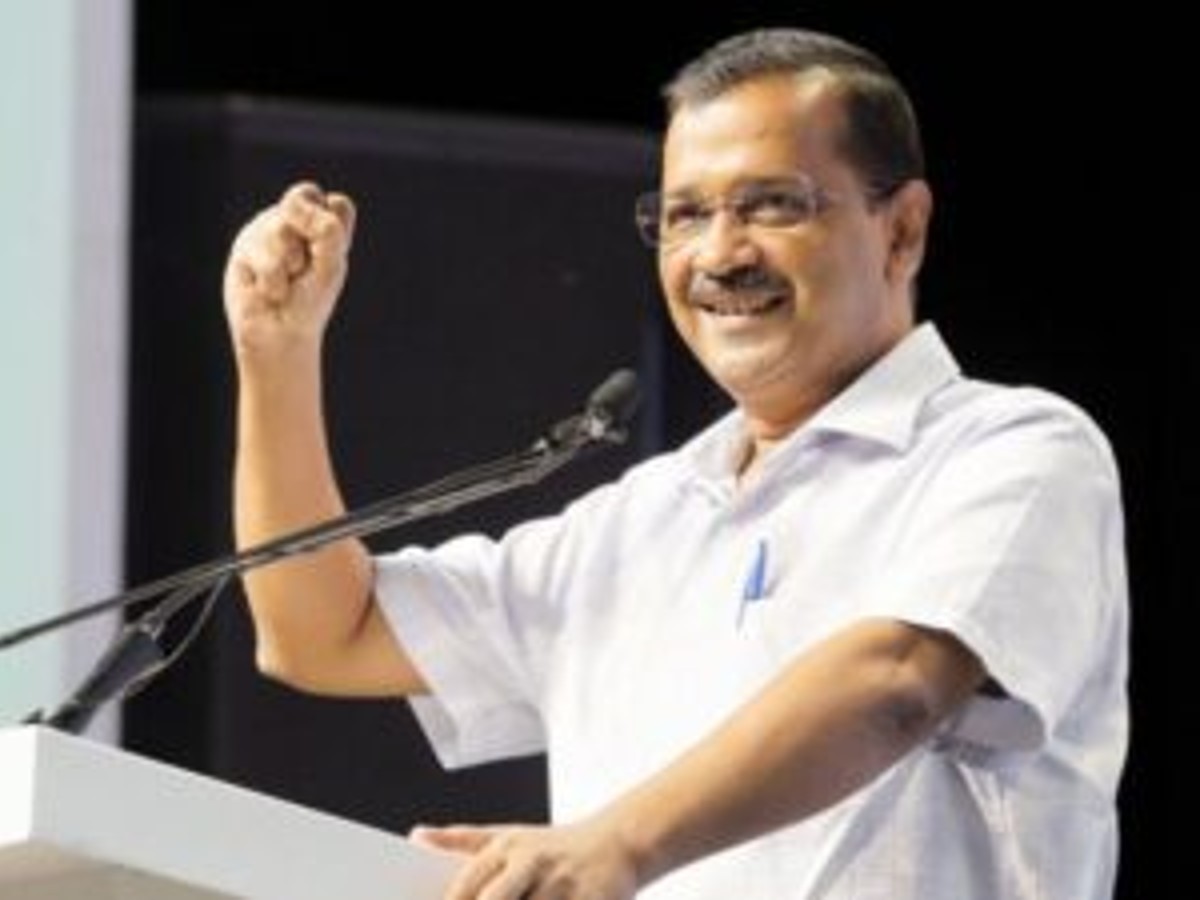
Delhi chief minister Arvind Kejriwal
Chief Minister Arvind Kejriwal on Monday announced a plan by the Delhi government to install 500 water ATMs in densely populated areas, including slums, to provide treated drinking water using the Reverse Osmosis (RO) process. During his visit to an RO plant and the inauguration of a water ATM at Khajan Basti in Mayapuri, Kejriwal mentioned that four water ATMs have already been set up, and the first phase aims to deploy 500 such ATMs.
Each person will be issued a card enabling them to access 20 liters of water per day from these ATMs at no cost. The initiative aims to ensure that even economically disadvantaged families in Delhi have access to clean RO water, which is typically available in homes of wealthier individuals.
These water ATMs will be strategically placed near slums and densely populated areas where laying pipelines is not feasible, and water is currently supplied through tankers. As part of a pilot project, four RO plants have been established, and the process of setting up the network of 500 water ATMs is underway.
During the visit to the Khajan Basti plant, Chief Minister Kejriwal and Water Minister Saurabh Bharadwaj, who serves as the Delhi Jal Board (DJB) vice-chairman, sampled the water from the RO plant. The Khajan Basti plant comprises two tanks with a combined capacity of 3,000 liters. The water goes through RO and microfilters and undergoes high-pressure pumping before distribution.
Kejriwal tweeted after the visit, expressing their commitment to providing clean water to every household in Delhi and implementing innovative initiatives like Water ATMs, especially in areas served by water tankers.
Apart from the Khajan Basti Water ATM, the DJB has successfully installed operational RO plants in Shakurbasti, Kalkaji, and Jharoda. As part of the project, the DJB aims to install 50 RO plants with a capacity of 30,000 liters each in various slum clusters. These plants will treat water drawn from tube wells.
Beneficiaries will receive RFID cards to access their free quota of water, and any usage beyond the daily quota will incur a charge of Rs 1.60 per 20 liters. Water pipelines cannot be legally laid in several areas of Delhi due to different reasons, and in these locations, tube wells are utilized to draw water, which will now be treated through the RO plants and distributed free of cost, according to Bharadwaj. So far, around 2,500 cards have been issued to Khajan Basti residents for availing free RO water.
(With PTI inputs)
At least 50 cases have already been reported this month; NCPCR guidelines mandate help desks,…
DMRC says zero reduction in train trips, attributes decline to security measures and public apprehension…
A Delhi court denied bail to a former DU professor accused of raping a student,…
Delhi Police charged seven dhaba workers in the fatal beating of a Manipuri musician who…
Seven Delhi STPs failed DPCC standards in September, dumping high levels of faecal coliform and…
AISA chief Neha Bora petitioned the Delhi HC against a police notice requiring a peace…
