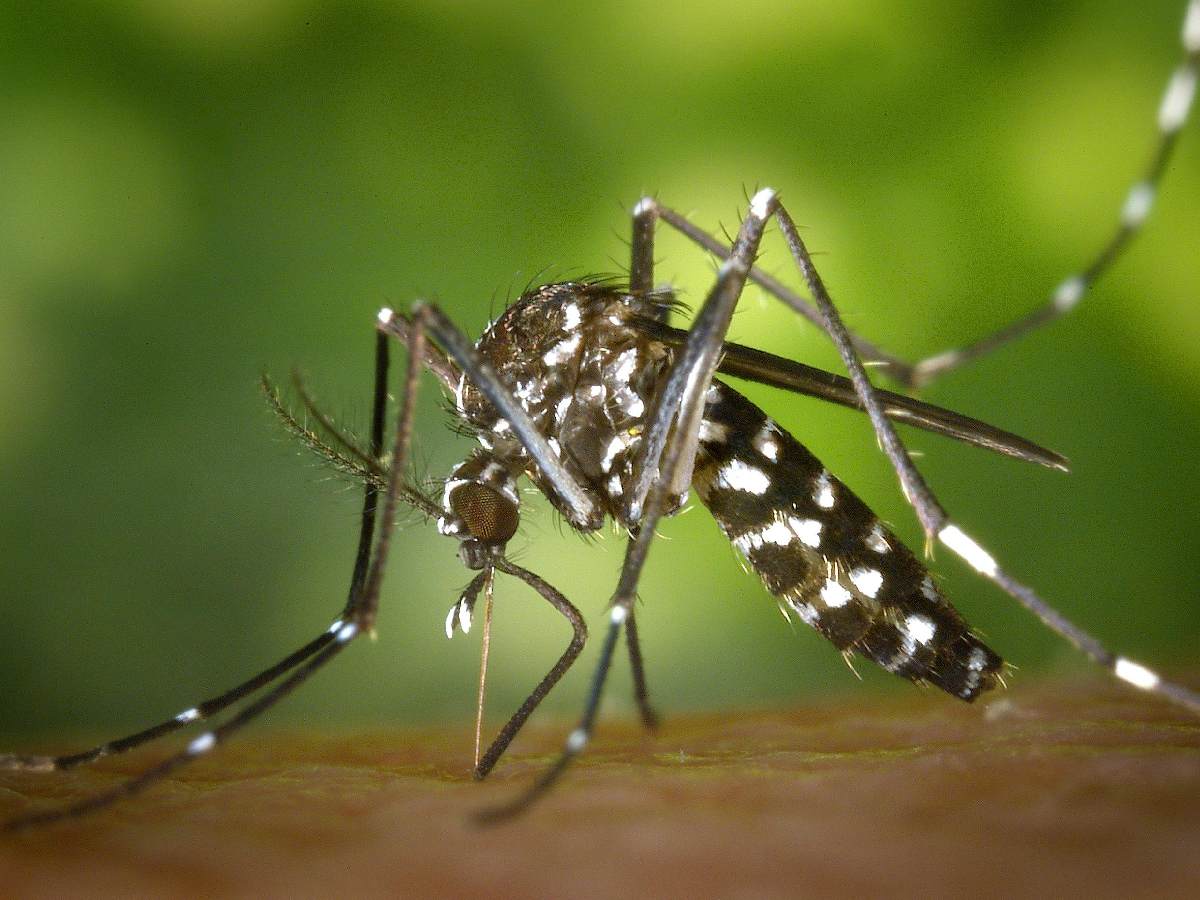
Delhi has recorded 412 dengue cases as of August 23 this year, slightly lower than 425 cases in 2024 and less than half of the 942 cases during the same period in 2023, with no fatalities reported so far, according to official data.
The city had reported 9,266 dengue cases throughout 2023 and 6,391 cases in 2024, while this year’s cumulative figure remains much lower as of now. Dengue fatalities also remain under control, with none reported this year so far, compared to 11 deaths in 2024 and 19 in 2023.
The weekly update shows 58 new dengue cases were added this week, with the South, Central and Shahdara zones reporting the highest numbers.
In contrast, malaria cases have already surpassed last year’s August tally. Delhi recorded 191 malaria cases till August 23 this year, compared to 181 during the same period in 2024 and 126 in 2023.
The weekly update shows 26 new malaria cases this week, with Najafgarh, South and West zones reporting the maximum. While Delhi logged 792 malaria cases in 2024, this year’s trend suggests another high-burden season.
Also read: RML hospital first central government hospital to get NABH accreditation
Chikungunya cases have also risen, with 32 infections reported till August 23, compared to 28 during the same period in 2024 and 17 in 2023. The South and Shahdara zones recorded the highest number of cases this week.
Last year, the city had logged 267 chikungunya cases — the highest in recent years.
The Municipal Corporation of Delhi’s (MCD’s) anti-mosquito operations data show intensified preventive efforts this season. Between January 1 and August 23 this year, officials carried out over 2.67 crore household inspections for mosquito breeding — the highest in three years.
Of these, 1.37 lakh houses were found positive for breeding. Nearly 98,976 legal notices were issued and 18,795 prosecutions launched for violations.
During the same period, 8.79 lakh houses were sprayed, while the MCD also carried out 4,588 general body drives, collecting penalties amounting to Rs 13.89 lakh. For biological control, fish were introduced in 304 water bodies, up from 209 last year.
Officials noted that while dengue cases remain comparatively low, the rising trend in malaria and chikungunya infections calls for continued vigilance. With September approaching — the peak season for vector-borne diseases in Delhi — residents have been urged to maintain dry surroundings and cooperate with civic mosquito-control measures.
Also read: Delhi fatty liver crisis: 60% of high-risk residents affected
According to past data, the MCD had conducted 2.08 crore house visits in 2022, 2.48 crore in 2023 and 2.34 crore in 2024.
The report further indicates that while dengue transmission typically peaks between September and November, this year’s caseload till August is significantly lower than last year’s pace.
An FIR over Jamia protests alleges Congress MPs Imran Pratapgarhi and Imran Masood unlawfully entered…
Delhi's 'Namo Yamuna River Safari' cruise will launch before Chhath, offering 40-minute family trips between…
Delhi's Old RTR flyover reopens for light vehicles today after repair work following road cracks,…
Visits to Govindpuri, Jangpura, Saket and Mayur Vihar show unlabelled corrosive substances sold for Rs…
Rescue teams recovered two bodies from the debris of a collapsed under-construction house in northeast…
Built on Jawaharlal Nehru’s vision, the Delhi landmark has witnessed the evolution of a young…
