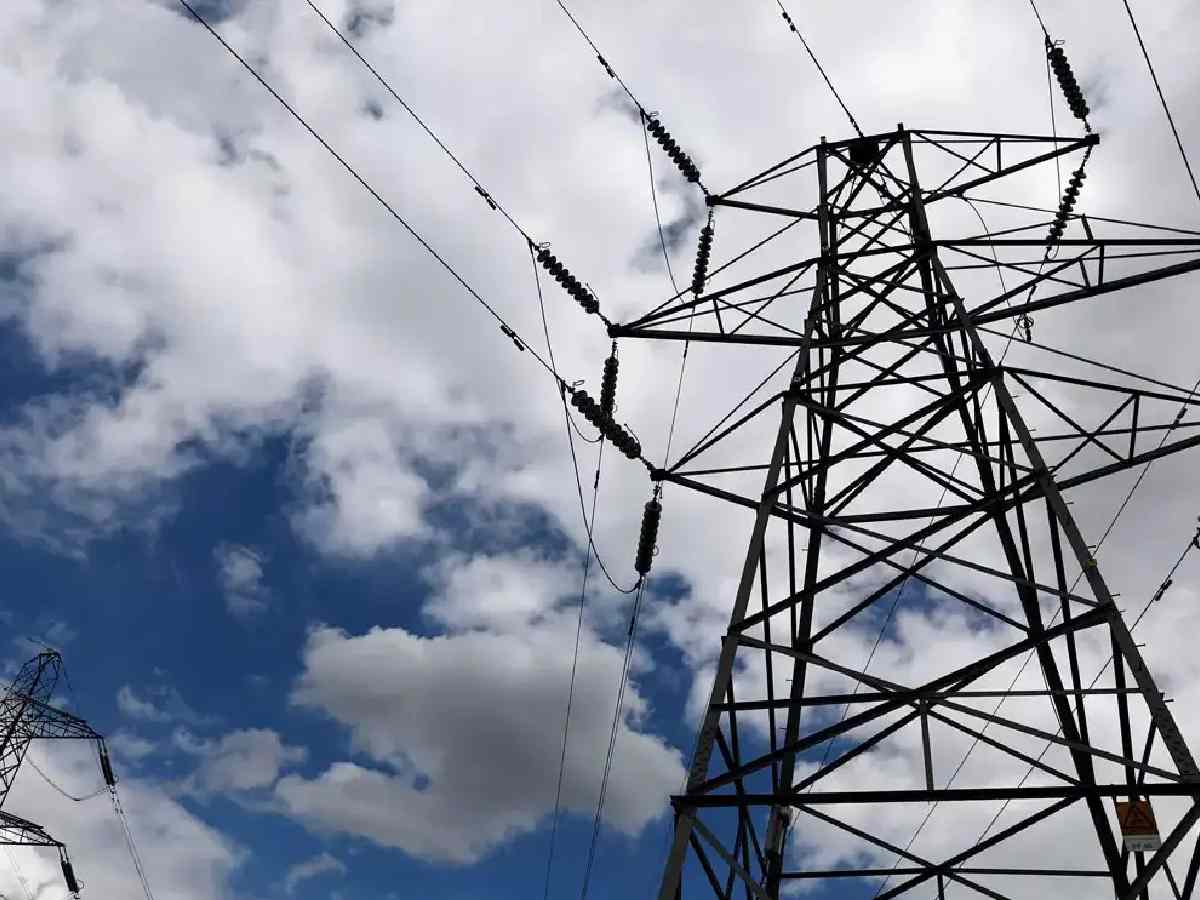
Delhi recorded the highest peak power demand in the summer season so far this year, as the temperature soared on Friday afternoon.
The real-time figures of the State Load Dispatch Centre (SLDC) showed the peak demand was 6,867 MW at 3.17 pm.
This year, the peak power demand of Delhi is expected to cross 9,000 MW. Previously, an all-time high peak demand in the national capital was recorded at 8,656 MV in 2024.
BSES discoms — BSES Rajdhani Power Limited (BRPL) and BSES Yamuna Power Limited (BYPL) — successfully met the peak power demand of 3,004 MW and 1,479 MW respectively in their areas, according to a statement from the company.
Tata Power Delhi Distribution Limited (TPDDL) successfully met the peak power demand of 2,045 MW on Friday, as the city’s peak reached 6,867 MW on the day, said a statement from the discom.
TPDDL is fully equipped to ensure uninterrupted power supply through a multi-pronged approach that includes bilateral agreements, reserve shutdown and power exchange, it said.
Last year, Delhi’s peak power demand had crossed 8,000 MW for the very first time.
BSES discoms are geared up to ensure reliable power supply to meet the power demand of more than 50 lakh consumers and two crore residents in South, West, East and Central Delhi, the statement said.
These arrangements include long-term purchase agreements and banking arrangements with other states and deployment of latest technologies like artificial intelligence and machine learning for predicting power demand accurately, it added.
Read more
Delhi govt to unveil modernisation plan for city’s mandis: CM Rekha Gupta
Delhi Chief Minister Rekha Gupta on Friday announced that her government will soon introduce a comprehensive modernisation plan for the city’s mandis, aiming to upgrade infrastructure and improve working conditions for traders and labourers. During a visit to Azadpur Mandi in north Delhi on Friday morning, Gupta criticised the previous AAP government, alleging neglect and corruption in the management of mandis across the capital. “There is an acute lack of basic facilities in the mandis. The previous government did nothing to improve the situation. Thousands of labourers and traders operate here, yet there is no cleanliness, no safety, and the infrastructure is crumbling,” Gupta told reporters.
DMRC says zero reduction in train trips, attributes decline to security measures and public apprehension…
A Delhi court denied bail to a former DU professor accused of raping a student,…
Delhi Police charged seven dhaba workers in the fatal beating of a Manipuri musician who…
Seven Delhi STPs failed DPCC standards in September, dumping high levels of faecal coliform and…
AISA chief Neha Bora petitioned the Delhi HC against a police notice requiring a peace…
Average AQI of 171 in the first week of this month; falling temperatures and stubble…
