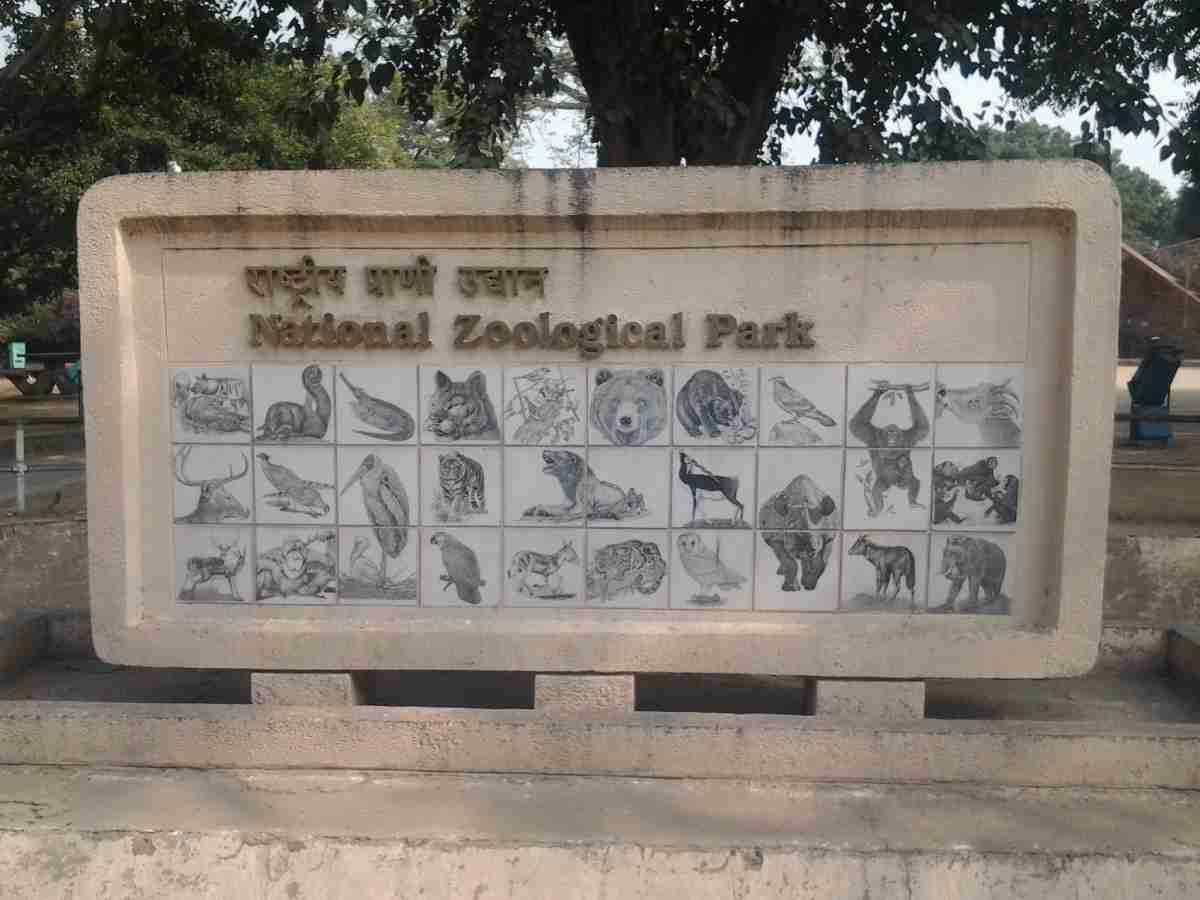
National Zoological Park Delhi
The Delhi zoo, which had remained closed for the last two months, witnessed a strong turnout on the second day of its reopening on Sunday, officials said.
According to official data shared by authorities, the National Zoological Park in New Delhi witnessed 15,292 visitors, including 262 students from five schools, on November 9.
On Saturday, it had drawn 8,065 visitors, including 954 students from 12 schools.
The Delhi zoo had been shut since August 30 following the detection of avian influenza virus in its water bird aviary, which led to the death of several birds.
According to officials, the high footfall in the first two days of the zoo’s reopening reflects the public’s excitement to return to one of the capital’s most popular weekend spots.
They added that the recently introduced ‘Insta Ticket Booking Service’ — which allows visitors to instantly book entry tickets by scanning a QR code at the gate, ensuring a smooth and quick access — has been well received.
Also Read: Delhi Zoo reopens for visitors after two-month closure
In a statement, the zoo management said it remains committed to improving visitor facilities and ensuring a safe and enjoyable experience for all.
“The National Zoological Park always prioritises the convenience and safety of its visitors and continues to enhance its facilities to offer a memorable experience of nature and wildlife,” the statement said.
The zoo is open from 9 AM to 5 PM, with ticket booking and entry allowed till 4.30 PM and the last exit set at 5.30 PM.
Delhi inaugurates the 70th National School Games, hosting over 14,000 participants in 14 sports across…
Delhi High Court asked "Doosra" filmmakers to respond to Sourav Ganguly's plea over alleged violation…
Delhi L-G appointed Paralympian Suvarna Raj as State Commissioner for PwDs following her gold win…
DDA is planning Delhi's longest 24-km cycling track along the Yamuna floodplain, linking key eco-projects…
Police detained several anti-SIR protesters heading to the ECI headquarters in Delhi as mass gatherings…
An exhibition that revisits the significance of Indian Modernism through works from earlier and defining…
