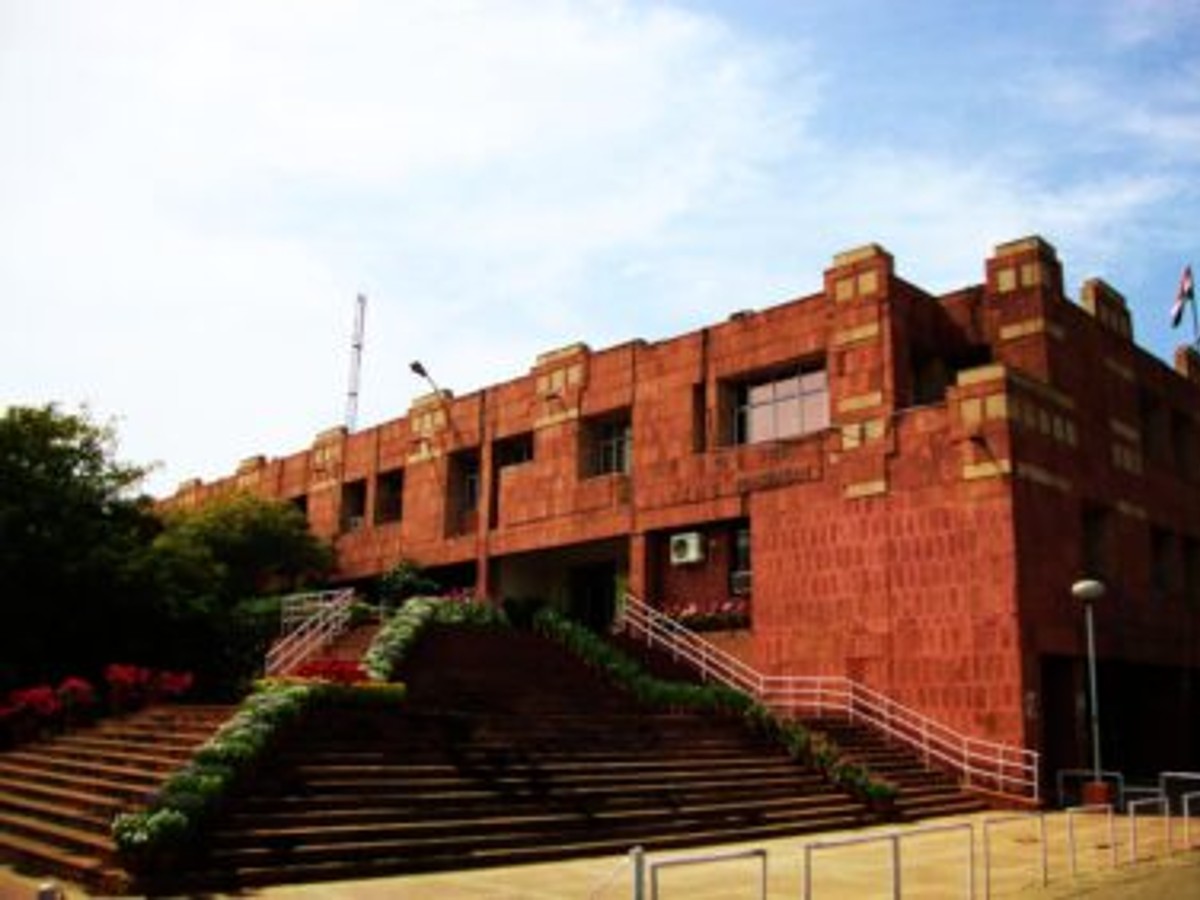
After a prolonged protest lasting eight days, the sanitation workers ended their strike on Thursday, as the university authorities agreed to negotiate. The workers’ grievances stemmed from the lack of bonus payments and the absence of salary slips provided to contractual employees at the university.
Among their demands were the implementation of labour laws, enforcement of the Payment of Bonus Act, 1965, and the issuance of salary slips for all contractual workers.
In response, JNU authorities have agreed to meet some of the demands put forth by the All India General Kamgar Union, JNU unit. Specifically, the university will amend worker contracts to implement the Payment of Bonus Act, 1965. Authorities also agreed to provide salary slips to workers and to prevent violations of labour laws on campus. In line with the Manual Scavengers and their Rehabilitation Act, 2013, protective gear such as masks and gloves will now be supplied to sanitation workers, and mess workers are also slated to receive other essential equipment.
Additionally, the authorities have agreed not to deduct wages for workers who joined the protest by boycotting work, and no punitive action is expected against the participants.
Despite these concessions, uncertainty remains. Since October, contractual employees have received no financial support, leaving many struggling.
Anju, a union leader and sanitation worker, explained that most of the contractual workers at JNU are the sole earners for their families. Beyond the unpaid bonus—which should amount to a month’s salary—workers also have not received their October wages.
“During the festive season, my family was left without anything. We saw others celebrating, but we had no reason to. We started protesting on October 30, Diwali eve. In retaliation, our contractor withheld our pay,” Anju said.
Also Read: Sacked Delhi women’s panel workers have little to cheer for this festive season
Anju, whose basic salary is Rs 22,000, supports a family of three, including her 21-year-old son and her unemployed husband. Without any income, her family is barely managing. “In my six years of employment at JNU, this is the first time something this severe has happened, though delayed salaries are not unusual here,” she added.
Another sanitation worker, Rakesh Kumar, also awaits his salary of Rs 20,000 and remains uncertain of when he might receive it. “The agreement was mostly verbal. We still don’t have anything in writing to confirm if they’ll fulfil our demands or follow through on their promises. They’ve asked us for two more weeks to document the agreement. Everything is uncertain now,” said the father of two.
Earlier, on October 5, representatives from the contractor, Rakshak Securitas, verbally committed to the workers’ demands. However, the absence of communication from the Vice-Chancellor and other concerned authorities left the protestors determined to continue their strike.
In addition to delayed payments, many sanitation and mess workers faced substantial salary cuts without any explanation.
“The protestors have demanded the reversal of the unfair dismissal of mess workers Karan Bahadur, Ravinder Kumar, Dhanesh Ram, and sanitation worker Mithun. However, no resolution has been reached on this issue yet,” said Suryaprakash from the All India Central Council of Trade Unions–JNU.