Middle East crisis: As LPG runs short, memories of 1971 return
Published by
VIVEK SHUKLA
April 11, 2026 11:40 am
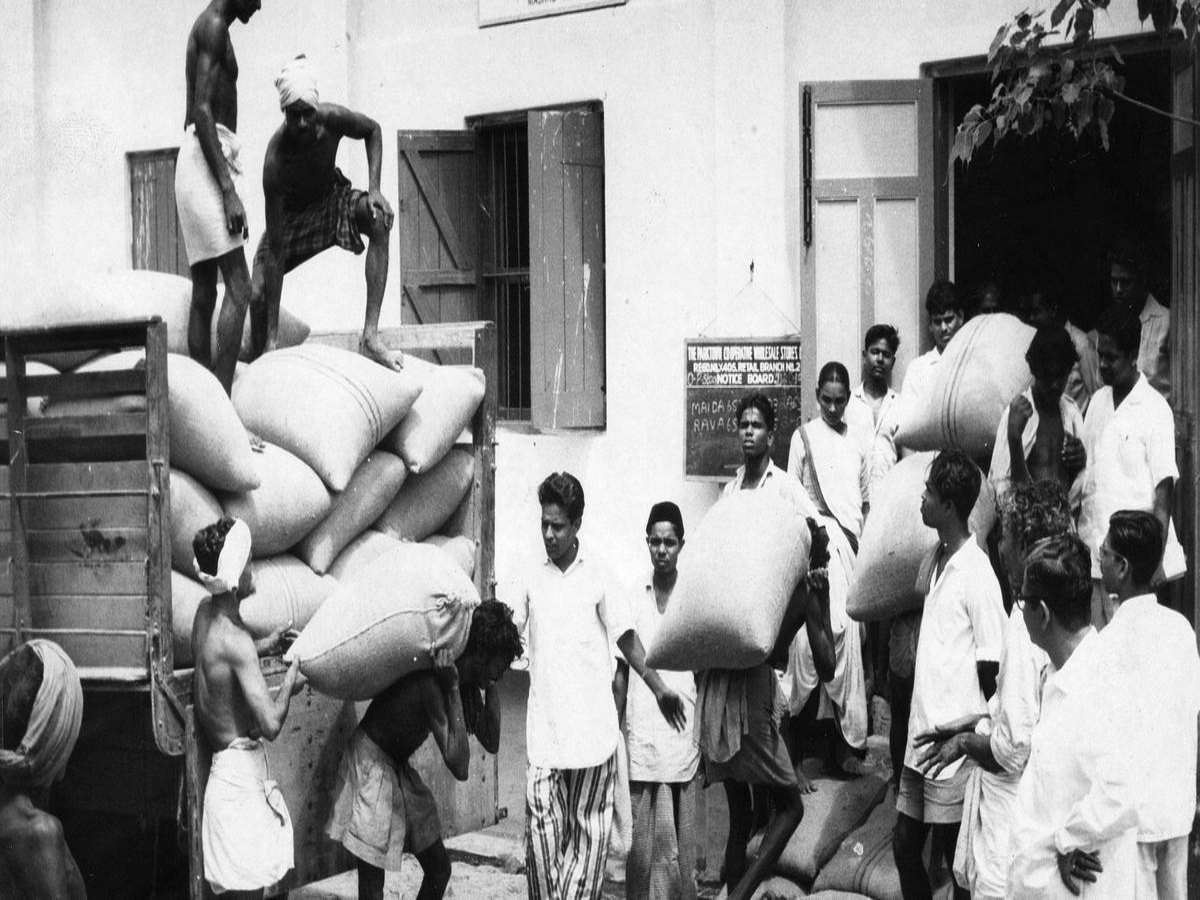
Food crisis druing 1971 India-Pakistan War
Rajesh Maurya, a CA student living in Pandav Nagar in East Delhi, was nearly in tears as he recounted his ordeal of surviving on biscuits and bread for an entire day, as several dhabas in and around his flat shut down due to a shortage of LPG cylinders caused by the Middle East crisis. Some restaurants remained open, but he could not afford them. This is the story of thousands of students from other states preparing in the capital for various competitive exams. The war has forced many small Dhabas and eateries to shut down.
Naturally, the crisis evokes memories of the India-Pakistan War of 1971, when a severe shortage of essential household items severely impacted the lives of Delhiites. “When the 1971 war erupted, ordinary citizens in Delhi faced an unprecedented scarcity of essential goods that tested their endurance daily. Bread, kerosene oil, sugar, and onions vanished from market shelves almost overnight. These staples, once taken for granted, became luxuries. Families woke before dawn, hoping to secure a loaf of bread or a small packet of sugar before stocks ran dry,” recalls Ashim Haldar, then living in RK Puram Sector-4.
Battlegrounds of patience
Markets transformed into battlegrounds of patience, with long queues stretching for blocks under the winter sun or evening chill. People clutched ration cards tightly, whispering rumours of fresh arrivals that rarely materialised.
Senior journalist Vinod Varshney
Senior journalist Vinod Varshney had only recently arrived in Delhi from Aligarh to join the Hindustan Times during those turbulent days. He rented a modest house in Lodi Colony, a quiet residential pocket amidst the capital’s chaos. New to the city, he quickly learned the harsh realities of wartime survival. Each morning, he joined the throngs pushing and shoving in crowded bazaars, elbows jostling as he vied for basic provisions.
Hundreds of other Delhiites—migrants, clerks, homemakers—endured the same grind. What was once a routine trip to the corner shop now demanded strategy, timing, and sheer grit.
Superbazaars and ration shops bore the heaviest burden. In Connaught Place and the INA market, lines formed before sunrise and snaked endlessly. Shoppers from as far as Faridabad trudged in, desperate for medicines that had grown scarce. Pharmacies echoed with anxious voices as stocks of life-saving drugs dwindled. Hoarding and black-marketing surged in the shadows. Unscrupulous traders inflated prices or hid supplies, exploiting fear. “The administration cracked down swiftly, raiding warehouses and issuing warnings, yet the damage lingered. Citizens learnt to distrust even familiar faces, scanning for signs of profiteering in every transaction,” recalls Maqsood Ahmed, who teaches at the Anglo Arabic School, Ajmeri Gate.
Maqsood Ahmed, teacher
Even everyday personal care items disappeared for months. Soap, razor blades, and toothpaste became ghosts on store shelves. Supply chains, strained by the war effort, collapsed entirely. In Janpath Market, Dhruv Bhargava of Adarsh Stores recalled the relentless crowds that packed his shop from opening to closing. Customers surged forward, pleading for a single bar of soap or a tube of paste. “Demand outstripped supply by a staggering margin—only 25% of the required stock reached the shelves. Similar scenes played out in INA Market and RK Puram, where housewives and workers arrived with hopeful lists only to return home empty-handed, their faces etched with quiet disappointment,” recalls RS Gupta, who lived at Paharganj during those days.
Hygiene routines were painfully adapted: families reused soap slivers until they dissolved, shared blades cautiously, and improvised with charcoal for tooth cleaning.
Power supply added another layer of torment. Fearing Pakistani air strikes, authorities enforced a complete blackout across Delhi. As dusk settled, the city plunged into darkness. Streetlights winked out one by one; homes drew heavy curtains and extinguished bulbs. Yet the human cost was high. Markets closed by late afternoon, forcing traders to pack up early. Nightlife ceased; streets grew eerily silent save for the occasional patrol. Families huddled indoors, sharing stories by lantern light, their conversations laced with worry and resolve. Children studied by dim flames, their eyes straining, while elders kept vigil against unseen threats overhead.
Ashim Haldar remembers the scarcity brought by the 1971 War
Through these trials, Delhi’s residents showed remarkable patience and unity. “Neighbours who barely knew one another stepped forward without hesitation. One family with a spare tin of kerosene would share it with the household next door; another would divide a precious loaf of bread among three families. Small acts multiplied into a web of support. Women organised community kitchens using whatever fuel remained,” recalls Haldar.
In the end, the 1971 war and its civilian echoes impart a timeless lesson. Even when essential items vanish and daily life fractures, the human bond endures. Delhi’s streets, once vibrant with commerce, became arenas of quiet heroism. The same resilience that sustained the capital then echoes in today’s cylinder crisis, reminding us that distance from conflict offers no true shield.
The writer is a Delhi-based senior journalist and author of two books ‘Gandhi's Delhi: April 12, 1915-January 30, 1948 and Beyond’ and ‘Dilli Ka Pehla Pyar - Connaught Place’