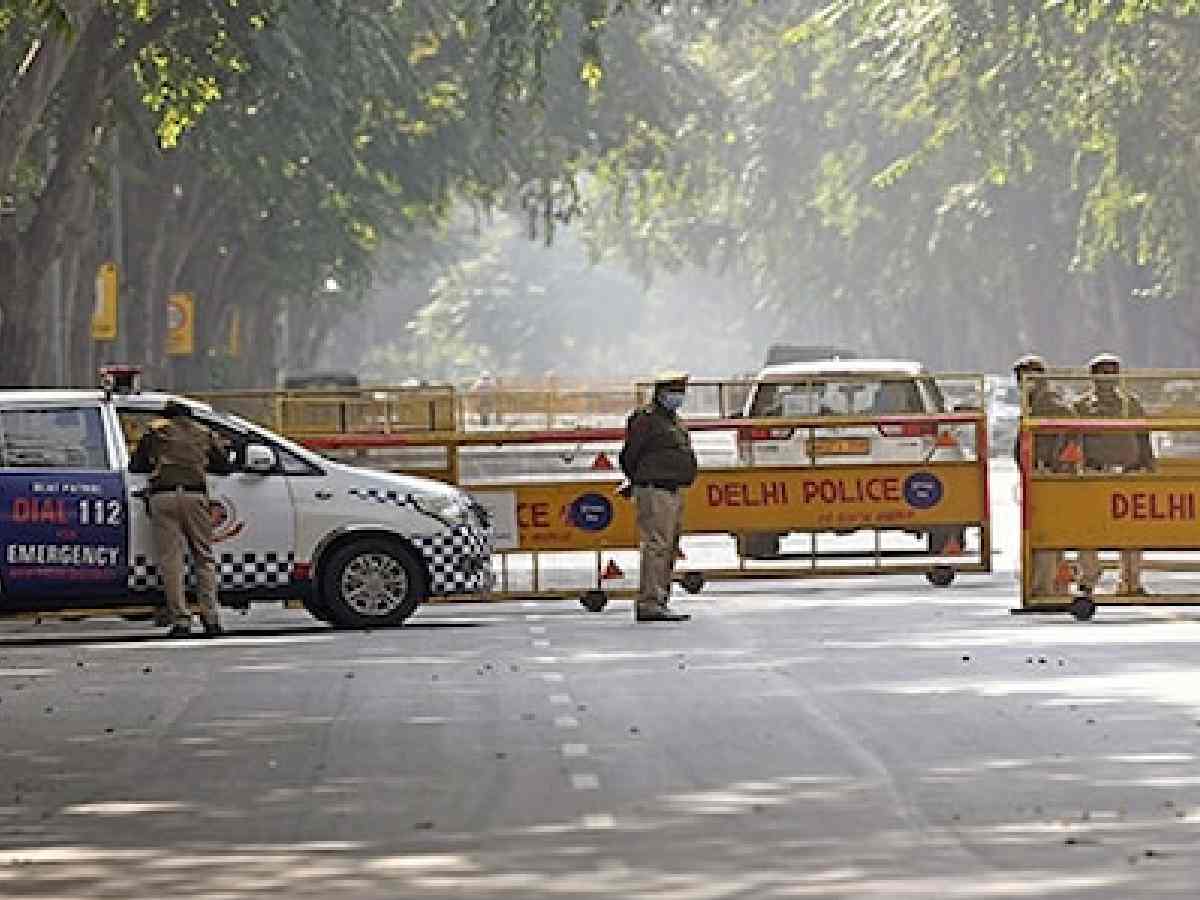
The Delhi Traffic Police has imposed fines of over Rs 84.98 crore for Pollution Under Control (PUC) certificate violations during GRAP stages one and two from October 14 to November 18, officials said.
The amount corresponds to 84,981 challans according to official data accessed by PTI, each carrying a penalty of Rs 10,000.
The Western Range issued the highest with 22,867 PUC challans, followed by 20,554 in the Southern Range and 13,423 in the New Delhi Range. The Eastern Range issued 12,441 challans, the Northern Range recorded 10,211, and the Central Range issued 5,485, the records showed.
The Eastern Range covers East Delhi, North East Delhi and Shahdara. The New Delhi Range covers New Delhi and parts of South West Delhi, according to official numbers.
North Delhi and Central Delhi came under the Central Range. The Northern Range includes Rohini, Outer North and North West Delhi. The Western Range covers West Delhi, Dwarka and Outer Delhi. The Southern Range includes South Delhi and South West Delhi areas.
Also read: Student suicides spark outrage: Experts call for change and accountability
Police also issued 2,030 challans for visibly polluting vehicles. Out of these, 1,197 were from the Southern Range, 751 from the Western Range and 82 from the New Delhi Range, the data showed.
“The Eastern, Central and Northern Ranges recorded none. Most visibly polluting vehicles were heavy carriers passing through the southern and western parts of the city,” the data showed.
A single overage vehicle was impounded in the Southern Range during this period.
A total of 446 challans were issued for uncovered construction and demolition waste, according to the department’s records.
The Southern Range reported 257 such challans, the Western Range 126, the Eastern Range 27, the Northern Range 19 and the New Delhi Range 17. The Central Range reported none, the official numbers showed.
A total of 4,708 non-destined trucks (trucks whose destination is not in Delhi) were diverted through the Eastern and Western Peripheral Expressways. According to officials, this was done to prevent additional pollution load within the city.
These included 1,980 in the Western Range, 1,722 in the Southern Range, 641 in the Northern Range, 266 in the Eastern Range and 99 in the New Delhi Range. The Central Range had no recorded diversions.
“Traffic units have been instructed to stay alert at all borders and internal junctions so pollution-related movement can be controlled effectively,” A senior officer said.
Traffic police also decongested 703 crowded points during the same period.
The Southern Range cleared 392 spots, the Western Range cleared 303, the Eastern Range handled five, and the Northern Range handled three. No congestion points were reported from the New Delhi or Central Ranges, according to the data.
Under GRAP rules, police checked 5,910 inter-state buses at Delhi’s borders. Out of these, 2,164 checks were in the Eastern Range, 1,285 in the Western Range, 1,205 in the Southern Range, 945 in the New Delhi Range and 311 in the Northern Range. The Central Range recorded none.
A total of 5,538 inter-state buses were allowed to enter Delhi. These included 2,005 in the Eastern Range, 1,258 in the Western Range, 1,046 in the Southern Range, 926 in the New Delhi Range, and 303 in the Northern Range, official records showed.
Police stopped 442 inter-state buses for not meeting GRAP conditions. These included 159 each in the Eastern and Southern Ranges, 89 in the New Delhi Range, 27 in the Western Range and eight in the Northern Range.
When the air quality drops to a certain level, GRAP is activated as an emergency plan. It places restrictions in four categories. Stage One is poor, Stage Two is very poor, Stage Three is severe, and Stage Four is severe plus. The levels are based on Delhi NCR’s Air Quality Index.
Stage One and Stage Two involve measures like water sprinkling, mechanical sweeping, raising parking fees, strict checks on diesel generator sets, and public advisories asking people to use public transport and reduce dust-creating construction work.
Stage Three stops construction and demolition work, restricts non-CNG and non-electric inter-state buses, bars BS-III petrol and BS-IV diesel cars and increases Metro services. Stage Four stops non-essential truck entry, shuts schools below Class 10, limits office attendance, restricts diesel goods vehicles below BS-VI and allows only essential movement into the city.
The senior officer emphasised that the force remains “fully alert across all ranges and will continue strong enforcement of GRAP restrictions so that traffic remains smooth and pollution sources are reduced through the winter season.”
A $780 million market built on pavements, where the pleasure of reading meets the price…
Supreme Court advocate Abhishek Pawar alleges women were denied washroom access for seven to eight…
Each day of closure costs shops in Khan Market and Connaught Place between Rs 60,000…
Delhi generates nearly 15,000 tonnes of waste daily, prompting the government to deploy 1,000 mechanical…
Delhi Police has issued an NOC for the Congress rally at Ramlila Maidan on November…
CJP chief Abhijeet Dipke received conditional bail following his arrest for participating in a Connaught…
