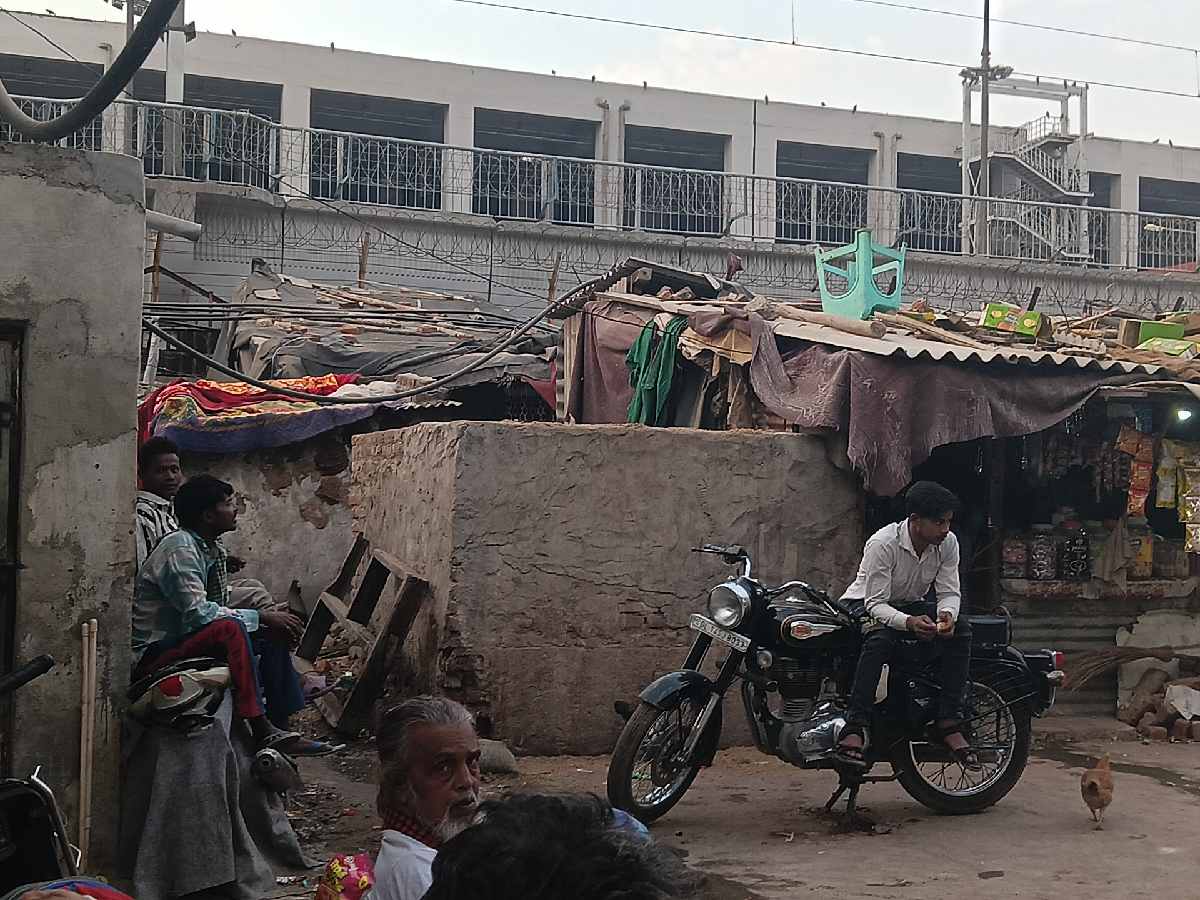
Community-based anti-stigma campaigns and a digital mental health care tool helped reduce depression, self-harm and suicide risks among vulnerable teenagers across 60 slum clusters in New Delhi and Vijayawada in Andhra Pradesh, a study has found.
India is home to the world’s largest adolescent population of 253 million, with about one in every five experiencing mental health challenges such as anxiety and depression, according to the United Nations International Children’s Emergency Fund (UNICEF).
Researchers said young people living in urban slums are especially vulnerable due to additional pressures such as poverty, limited awareness and a lack of access to mental health care.
The George Institute for Global Health, New Delhi, implemented the Adolescents’ Resilience and Treatment needs for Mental Health in Indian Slums (ARTEMIS) project, aimed at mitigating mental health problems among adolescents living in economically disadvantaged urban communities in India.
“The ARTEMIS project brought together youngsters between the ages of ten and nineteen from urban slums in New Delhi and Vijayawada. These youngsters shared their experiences of stress arising from parental pressure, peer relationships, academic stress, gender-based restrictions, and fears about the future,” Sandhya Kanaka Yatirajula, Program Lead-Mental Health, The George Institute for Global Health India, said.
Findings are published in The Journal of the American Medical Association (JAMA) Psychiatry.
Pallab Maulik, director of research at The George Institute for Global Health India and the principal investigator of the study said, “The ARTEMIS project was a two-pronged approach to overcoming these problems. The first involved the use of locally tailored multimedia campaigns to eliminate the stigma associated with mental disorders.”
“The second approach was to use a digital system to screen adolescents for psychological distress and risks of self-harm and provide treatment to those at high risk,” Maulik said.
After one year of ARTEMIS, the group receiving the intervention showed a much better knowledge, attitude and behaviour toward mental health compared to those who did not participate, largely because their increased knowledge helped eliminate social stigma, the researchers said.
The team found that the average difference in behaviour and depression scores between the intervention and control group was statistically significant at the end of the intervention.
Also Read: Noida protests: activists allege police interference, lapses
The intervention group was also noted for a decrease in average depression scores while maintaining steady recovery rates — the difference in average depression scores between the intervention and control groups at the end of the intervention was statistically significant, the team said.
“The findings suggest that a community-based intervention with anti-stigma and mobile health components to reduce the risk of depression and suicide or self-harm among adolescents was effective and achieved high levels of implementation fidelity,” the authors wrote.
The model put forth in the study proved to be feasible and acceptable within community settings, despite barriers, including stigma, parental hesitation, distance to health care centres, and scheduling challenges due to school timing, they said.
Elected to the Delhi Golf Club general committee, Mansher Singh says he wants to build…
A $780 million market built on pavements, where the pleasure of reading meets the price…
Supreme Court advocate Abhishek Pawar alleges women were denied washroom access for seven to eight…
Each day of closure costs shops in Khan Market and Connaught Place between Rs 60,000…
Delhi generates nearly 15,000 tonnes of waste daily, prompting the government to deploy 1,000 mechanical…
Delhi Police has issued an NOC for the Congress rally at Ramlila Maidan on November…
