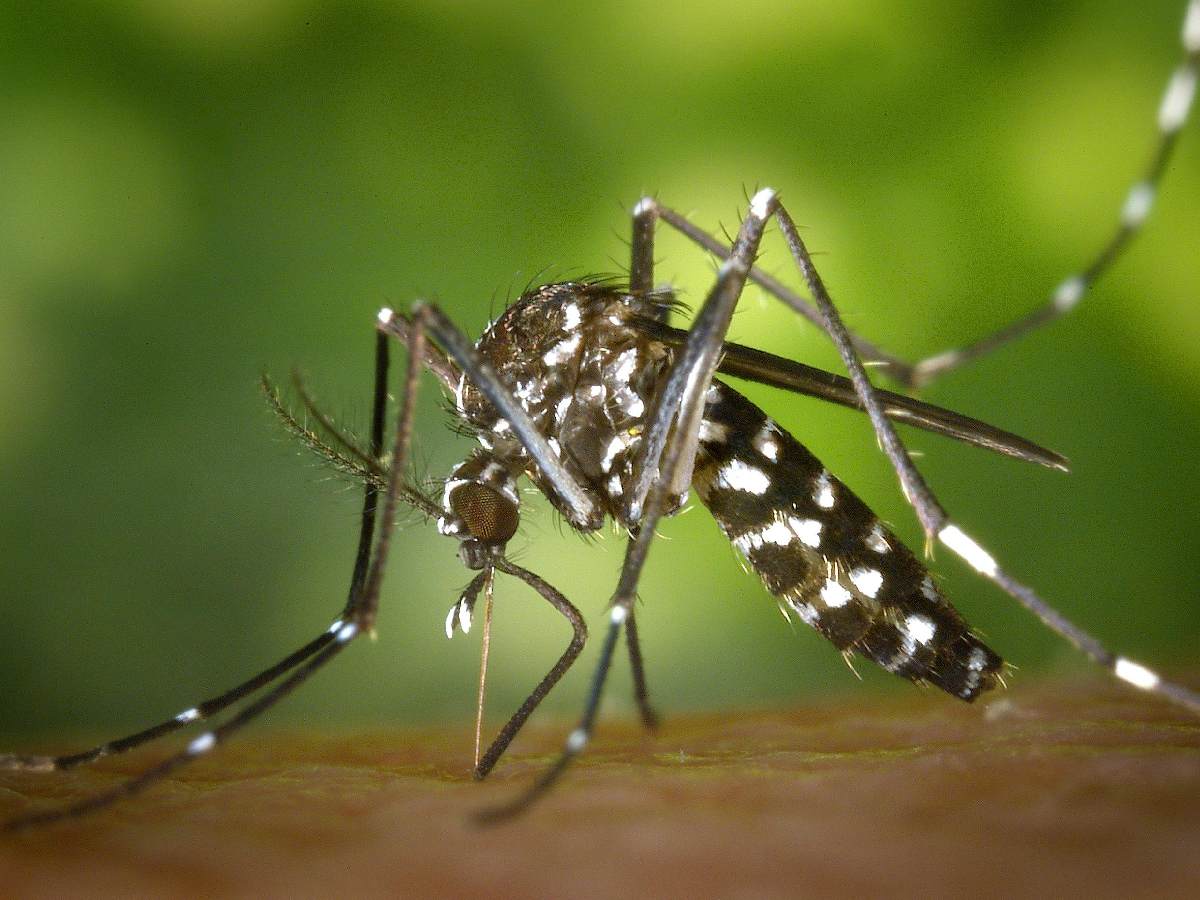
Delhi reported 360 dengue cases till June 2026, along with 46 malaria cases, 21 chikungunya cases, 210 confirmed leptospirosis cases and 19,227 cases of acute diarrhoeal disease, according to data tabled in the Rajya Sabha by the Union Ministry of Health and Family Welfare.
No deaths from dengue or malaria and no cases of Japanese encephalitis were reported during this period.
The figures cited by the ministry show that Delhi recorded 687 dengue cases in 2023, 555 in 2024 and 411 in 2025. It recorded 941 malaria cases, 1,629 chikungunya cases and 558 leptospirosis cases in 2025.
With the monsoon gathering pace, doctors say hospitals are witnessing a rise in seasonal illnesses. They have cautioned people against ignoring persistent fever or resorting to self-medication.
Health experts expect cases of dengue, malaria, chikungunya, leptospirosis, gastroenteritis and viral infections to increase as rain creates favourable conditions for mosquito breeding and flooding contaminates food and water.
Although most monsoon-related infections are treatable, doctors say delayed diagnosis remains a major concern because many begin with similar symptoms, including fever, headache, body ache and fatigue. They recommend timely laboratory testing instead of treating symptoms at home.
According to General Manager of Research and Development and Section Head of Molecular Infectious Diseases at Agilus Diagnostics Dr Rashmi Khadapkar, “With the onset of the monsoon, we typically see an increase in patients presenting with acute febrile illnesses.”
She said many of these illnesses had overlapping symptoms, including fever, body ache, headache and fatigue.
She said testing trends during the first half of July showed the continued circulation of seasonal respiratory viruses, with influenza PCR positivity at around 30% and COVID-19 positivity ranging from 12% to 16%. “These findings reinforce the importance of laboratory confirmation, as symptoms alone are often insufficient to distinguish one infection from another,” she told Patriot.
Director and Unit Head of Internal Medicine at Max Super Speciality Hospital, Dwarka, Dr Prabhat Ranjan Sinha, said the pattern this season was not limited to a single infection.
“With the onset of the monsoon, we generally see an increase in fever cases, including mosquito-borne infections such as dengue and malaria. At present, the pattern is not limited to one particular infection. We are also seeing patients with viral illnesses and other seasonal infections,” he said.
He said the coming weeks would be important as stagnant water could increase mosquito breeding and potentially lead to a rise in dengue and malaria cases.
Multiple infections on the rise
The monsoon is associated with an increase in vector-borne and water-borne diseases. Waterlogging and stagnant water encourage mosquito breeding, while flooding can contaminate food and drinking water.
Senior Consultant in Internal Medicine Dr Anil Kumar Namburi of Gleneagles Hospital, Hyderabad, listed dengue, malaria, chikungunya, leptospirosis, typhoid, acute gastroenteritis, hepatitis A and E, and viral respiratory infections among the illnesses whose incidence commonly rises during the season.
Senior Consultant in Internal Medicine Dr Pankaj Khatana of Marengo Asia Hospitals, Gurugram, said hospitals were recording a gradual increase in patients with fever.
“While dengue, malaria and chikungunya remain the major vector-borne illnesses during this period, there is also a noticeable rise in viral fevers, influenza-like illness, respiratory infections and acute gastroenteritis,” he said.
Khatana said the number of patients with febrile illnesses was gradually increasing and, based on previous years, was expected to rise further over the next few weeks as the monsoon progressed.
“There has been a visible rise in seasonal illnesses, with cases of dengue, malaria, chikungunya, viral fever, stomach infections and leptospirosis increasing during the monsoon,” said Associate Consultant in Infectious Diseases Dr Radhika Sarda of Artemis Hospitals.
She attributed the trend to waterlogging, mosquito breeding and changes in the weather, adding that infections were increasing in many areas compared with last year.
Senior Director (Unit-I) for Internal Medicine Dr Vikram Jeet Singh of Aakash Healthcare also attributed the seasonal increase to mosquito breeding and poor food and water hygiene.
Dr Prabhat Ranjan Sinha said monsoon-related illnesses also included gastrointestinal infections, food- and water-borne illnesses and viral respiratory infections.
“Safe drinking water, properly cooked food and good hand hygiene remain the simplest protective measures. People should be particularly careful about eating cut fruits, raw food or food that has been kept uncovered for long periods,” he said, adding that unnecessary contact with potentially contaminated water should be avoided during waterlogging.
Dr Neha Rastogi, Senior Consultant in Infectious Diseases at Fortis Memorial Research Institute, Gurugram, said the hospital had observed a steady increase in dengue, malaria, chikungunya, viral fever, gastroenteritis and other seasonal infections.
“Waterlogging, humidity, and increased mosquito breeding contribute significantly to the rise in these illnesses,” she said.
Dr Chirag Tandon, Director, Internal Medicine, Shardacare-Healthcity, said the monsoon typically brings a rise in vector-borne and water-borne diseases such as dengue, malaria, chikungunya, viral fever, gastroenteritis and leptospirosis due to increased mosquito breeding, waterlogging and contamination of food and water.
“This season, hospitals are witnessing a higher number of patients with fever, body aches, cough, vomiting and dehydration. Since the early symptoms of dengue, malaria and viral fever often overlap, timely diagnosis through appropriate laboratory tests is essential. Delayed treatment and self-medication can increase the risk of complications, particularly in dengue,” he said.
He said hospitals strengthened preparedness during the monsoon by expanding fever clinics, ensuring adequate diagnostic facilities, maintaining stocks of essential medicines, IV fluids and blood components, and training healthcare teams to manage seasonal infections.
He advised people to avoid stagnant water, use mosquito repellents, wear full-sleeved clothing, drink safe water and maintain hand hygiene.
“People should seek medical attention if fever persists for more than two days or is accompanied by warning signs such as bleeding, severe weakness or breathlessness. Early diagnosis and timely treatment are key to preventing serious illness and reducing the seasonal burden on healthcare facilities,” he said.
Overlapping symptoms complicate diagnosis
Early symptoms of several monsoon illnesses, such as fever, chills, headache, body ache, nausea, vomiting and loss of appetite, are often difficult to distinguish without laboratory tests.
Sinha said fever, headache, body ache, chills, weakness, nausea and loss of appetite were common symptoms. Dengue could also cause pain behind the eyes, skin rashes or unusual bleeding, while malaria could present with fever accompanied by chills and sweating.
“People should avoid taking medicines on their own for persistent fever. Medical advice should be sought if fever continues for more than a day or two, is very high, or is accompanied by vomiting, breathing difficulty, severe abdominal pain, unusual bleeding, excessive weakness, confusion or reduced urine output,” he said.
“Although many viral illnesses are self-limiting, diseases such as dengue, malaria, leptospirosis and severe bacterial infections can progress rapidly if diagnosis and treatment are delayed,” Namburi said.
Khadapkar advised people to consult a doctor if fever persisted beyond 24 to 48 hours or was accompanied by a rash, severe body pain, persistent vomiting, unusual fatigue or other warning signs. A doctor may recommend tests for dengue, malaria, chikungunya, influenza, COVID-19 or other infections after a clinical assessment, she said.
“One big problem is that a lot of these diseases start with similar symptoms, including fever, body aches and fatigue, so it is important to seek medical attention early. If you treat yourself at home or delay treatment, you may develop complications,” Singh said.
Doctors also cautioned against taking antibiotics and painkillers without medical advice.
“The problem of delayed treatment and self-medication persists. Painkillers or antibiotics taken without a doctor’s advice can mask symptoms or aggravate complications, especially in dengue and malaria,” Sarda said.
Namburi warned against the indiscriminate use of antibiotics and non-steroidal anti-inflammatory drugs when dengue was suspected. Khatana said ibuprofen and diclofenac should not be taken unless prescribed and dengue had been ruled out.
Sinha said one common misconception was that every fever could be managed at home with over-the-counter medicines.
“Another is that dengue always causes bleeding or that a person is safe once the fever comes down. In reality, some complications can develop around the time the fever settles, so patients need to be monitored according to their doctor’s advice,” he said.
He also cautioned against starting antibiotics without consultation, saying antibiotics did not treat viral infections such as dengue, while malaria required appropriate testing and treatment.
Dr Neha Rastogi said immediate medical attention was necessary if fever persisted for more than 48 hours or was accompanied by severe abdominal pain, persistent vomiting, bleeding from the gums or nose, difficulty breathing, confusion, extreme weakness, reduced urine output or signs of dehydration.
Hospitals step up preparations
A senior Municipal Corporation of Delhi official told Patriot that the civic body, in coordination with the Delhi Government’s Health Department, had intensified anti-larval drives, source-reduction measures and public awareness campaigns. Hospitals had been advised to ensure the availability of adequate beds, diagnostic facilities and emergency-response mechanisms ahead of a seasonal surge in dengue and other vector-borne diseases.
Doctors said hospitals were expanding bed and intensive-care capacity, strengthening laboratories and emergency services, stocking essential medicines and blood components, and streamlining fever-management protocols.
“Fever patients are evaluated promptly with appropriate investigations so that dengue, malaria, typhoid, influenza and other infections can be differentiated early,” Khatana said.
“Hospitals are strengthening readiness by increasing bed capacity, expanding rapid diagnostic testing, ensuring adequate ICU support for severe cases and maintaining an adequate supply of blood components, especially platelets, for dengue patients,” Sarda said.
“At Aakash Healthcare, we prepare for this seasonal increase by strengthening emergency services, improving diagnostic capabilities, ensuring adequate bed capacity and maintaining multidisciplinary teams for timely patient care,” Singh said.
Namburi said hospitals were ensuring the availability of rapid diagnostic facilities, laboratory support, intravenous fluids, blood and blood components.
“A multidisciplinary approach involving Internal Medicine, Infectious Diseases, Critical Care, Pulmonology, Paediatrics and Microbiology enables early diagnosis and effective management of complicated cases. Timely disease surveillance and reporting also play a vital role in preventing community outbreaks,” he said.
Sinha said hospitals remained watchful during the monsoon and were prepared to respond if patient numbers increased.
“At Max Super Speciality Hospital, Dwarka, patients with fever and suspected infections are assessed based on their symptoms and clinical condition, with appropriate laboratory investigations advised when required,” he said.
He said the focus was on early diagnosis, timely treatment and monitoring for complications, with hospital teams prepared to scale up resources according to patient volumes and clinical requirements.
Rastogi said Fortis had strengthened diagnostic services and ensured adequate availability of medicines, IV fluids, blood components and essential medical supplies. Dedicated teams across emergency, outpatient and inpatient departments were equipped to provide prompt diagnosis and treatment, she said.
The ministry said public health was primarily a state subject, but the Centre provided financial and technical support to states and Union Territories under the National Health Mission. A nationwide network of 887 Sentinel Surveillance Hospitals and 27 Apex Referral Laboratories had been established for dengue surveillance.
States had also been advised to stock diagnostic kits, medicines and insecticides; strengthen disease surveillance; deploy rapid-response teams; and intensify vector-control and public-awareness campaigns.
Vulnerable groups face greater risk
Young children, older adults, pregnant women and people with weakened immunity or chronic medical conditions face a higher risk of severe complications, doctors said.
Senior Consultant in Paediatrics and Neonatology Dr Amit Gupta of Motherhood Hospitals, Noida, said: “We are seeing approximately four to five cases a day involving stomach flu and loose motions. Children aged one to five are presenting with these complaints.”
Although most patients recover with timely treatment, delays can lead to severe dehydration, bleeding, organ failure or shock, particularly among vulnerable groups, he said.
Rastogi said children, elderly individuals, pregnant women and people with underlying medical conditions were particularly vulnerable to complications from seasonal infections.
Doctors advised immediate medical attention for persistent high fever, severe body or abdominal pain, a rash, repeated vomiting, bleeding, breathlessness, confusion, excessive drowsiness, extreme weakness, dehydration or reduced urine output.
Prevention remains the best defence
“The most effective way to prevent mosquito-borne diseases is still source control,” Khatana said.
Doctors advised residents to prevent water from collecting in coolers, flower pots, buckets, discarded tyres and other containers. They recommended using mosquito repellents, nets, full-sleeved clothing and window screens, particularly during the day, when Aedes mosquitoes that spread dengue and chikungunya are most active.
Sinha said water storage containers should be covered and cleaned regularly, while residents should ensure that drains and areas around homes did not become breeding sites.
“Community participation is important because controlling mosquitoes cannot be effective if only individual households take precautions,” he said.
They also urged people to drink safe or purified water, eat freshly cooked food, practise good hand hygiene and avoid contact with rainwater, stagnant water and contaminated floodwater.
Rastogi advised people to eliminate mosquito breeding sites, use full-sleeved clothing and repellents, consume safe food and water, maintain hand hygiene and seek timely medical care if they develop persistent fever or other concerning symptoms.
Namburi added: “Most monsoon-related illnesses are preventable and treatable when recognised early. Public awareness, early diagnosis, timely medical intervention and simple preventive measures can substantially reduce the seasonal disease burden.”
Sinha said the key message for Delhi residents was not to ignore persistent fever but also not to panic.
“Most monsoon-related infections can be managed effectively when diagnosed and treated at the right time,” he said, urging residents to focus on preventing mosquito breeding, maintaining hand and food hygiene, drinking safe water and seeking medical advice when symptoms persisted or worsened.
The Supreme Court will hear a plea on Sunday seeking contempt action against authorities for…
Over 7,000 protesters, including CJP chief Abhijit Dipke, were detained as security forces sealed off…
Mamata Banerjee called Delhi’s crackdown “beyond Emergency” after being detained during a protest against Gyanesh…
From kuttu ki poori and sabudana to paneer and festive desserts, these restaurants have put…
Sonam Wangchuk condemned the arrests of student and youth leaders in Delhi, calling the situation…
Court said Sharjeel Imam apparently violated bail conditions by contacting media but refused to cancel…
