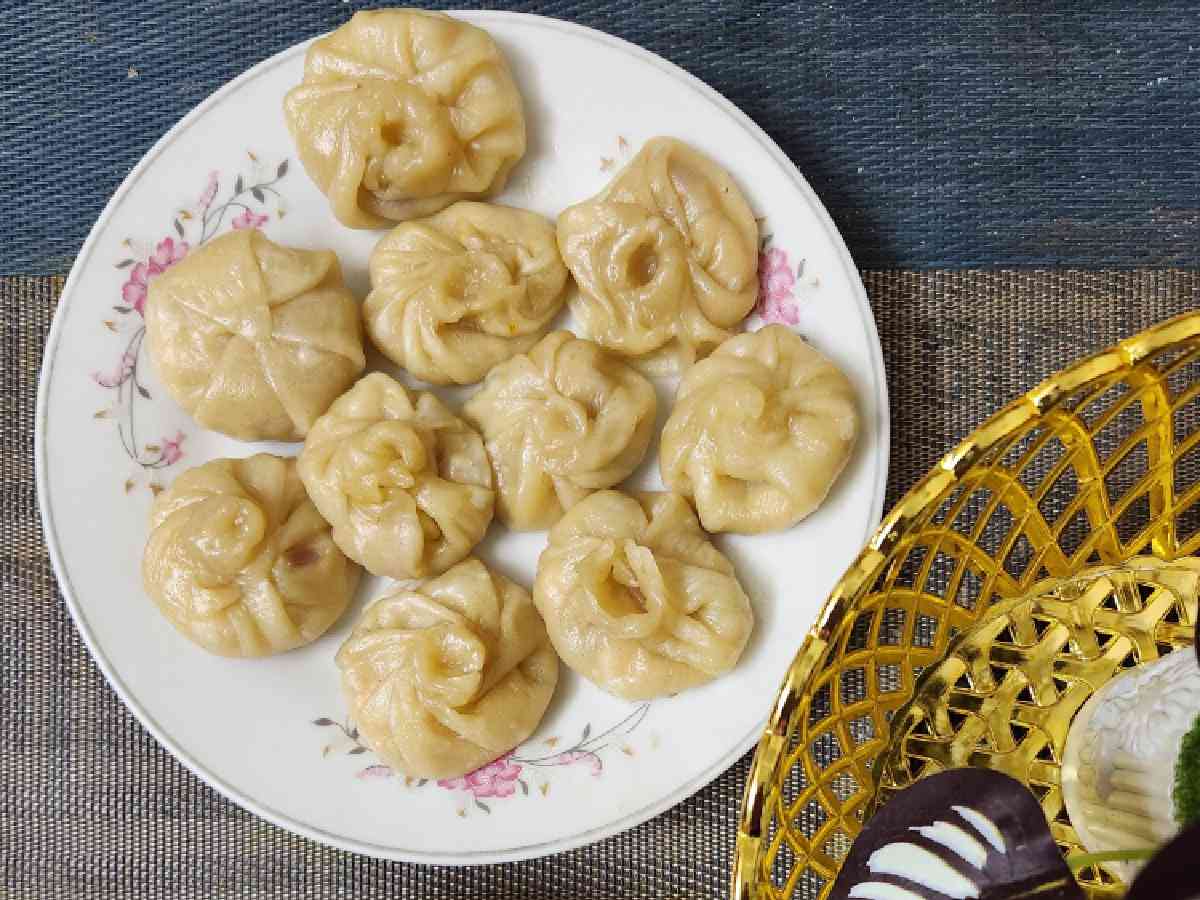
Can you imagine looking for a samosa to go with your evening tea, only to find carts selling momos instead? On Kasturba Gandhi Marg and Barakhamba Road in Connaught Place, several vendors who once sold samosas have switched to momo. From Kamla Nagar and Greater Kailash to Laxmi Nagar, Uttam Nagar, Ber Sarai, Munirka and Yusuf Sarai, momo stalls are a familiar sight. In some of these markets, finding a samosa in the evening can be surprisingly difficult.
Is the momo beginning to challenge the samosa’s place in Delhi’s evening snack tradition?
For generations, the samosa has been a familiar choice for those looking for an affordable and filling snack. Its crisp, golden crust, filled with spiced potatoes and peas, has accompanied cups of tea in homes, offices, college canteens and roadside shops. Yet, the growing visibility of momo stalls raises questions about changing consumer preferences and the factors shaping the city’s street-food trade.
Why momo appeals to young consumers
Acclaimed food blogger Amitabh S, who runs the YouTube channel Delhifood.stories, believes that the growing popularity of momos is not limited to Delhi but extends across the National Capital Region.
“Youngsters are increasingly opting for momos because they believe they are healthier, as they are steamed rather than fried,” he says.
The perception of health is one possible explanation for this preference. While a traditional samosa is deep-fried, steamed momos offer an alternative that some young consumers consider lighter. This does not automatically make momos healthy, since their nutritional value also depends on the fillings, sauces and preparation methods. Nevertheless, the appeal of steamed food appears to be a factor in how some consumers choose their snacks.
Consumer preferences can also be shaped by variety. Momos come with different fillings, including vegetables, paneer and chicken, and can be served steamed, fried or tandoori-style. Spicy red chutney adds another dimension to the experience. The range of options allows customers to choose according to their tastes and budgets.
The samosa, too, has its variations, but the familiar potato-filled version remains its most recognisable form. For consumers who enjoy experimenting with flavours, momos may offer a greater sense of novelty.
Also Read: Diwali melas: full stalls, thin margins
There are also signs of changing preferences in everyday settings. Mukesh Garg, who owns a popular photo studio in Madhu Vihar, says his staff have, in recent months, increasingly asked him to bring momos rather than samosas when they have tea together in the evening. His experience offers a small glimpse of how food choices may be changing in some workplaces.
The convenience of selling momos
But consumer preferences alone may not explain the growing presence of momo stalls. Convenience and the economics of street-food vending could also play a role.
According to Amitabh, one factor behind the spread of momo stalls is the availability of ready-made products. He says these are manufactured in bulk at facilities in areas such as Burari and Sonia Vihar and supplied to street vendors. A seller can purchase prepared momos, steam them at a cart and serve customers without undertaking the entire process of making them from scratch.
For vendors, this arrangement can simplify preparation. A cart, a steamer and a regular supply of momos may be sufficient to get a small operation going, depending on its scale. Such stalls can be found in busy markets, near colleges, outside metro stations and along residential streets. Where demand is steady, the relatively straightforward preparation process may make momos an attractive product to sell.
The work behind a samosa
The preparation of samosas, however, can involve a different set of requirements.
“Making a good samosa involves several stages: preparing the filling, kneading the dough, rolling it, shaping the pastry, stuffing it and deep-frying it to achieve the familiar golden crust,” says Raju, a halwai based in Paharganj.
The process requires time, skill and attention to consistency. For vendors who prepare samosas themselves, this can mean additional work and equipment. However, samosas, too, can be procured ready-made, so the practical differences between the two snacks depend partly on how individual vendors organise their businesses.
Has the samosa really lost ground?
The availability of ready-made momo offers one possible explanation for their growing presence on Delhi’s streets. But whether this translates into higher profits or makes momos a more attractive proposition than samosas would depend on factors such as procurement costs, selling prices, customer demand and wastage.
It would therefore be premature to declare the samosa defeated. It remains deeply rooted in India’s culinary culture and continues to be a familiar accompaniment to tea. The growing visibility of momo stalls does not, by itself, establish that samosas are losing popularity or that consumers are abandoning one snack for the other.
Still, the changing street-food landscape is worth watching. The snacks available at a roadside cart reflect not only what customers want to eat but also what vendors can procure, prepare and sell conveniently. The growing presence of momos offers a glimpse into how consumer preferences and the practicalities of running a small food business can shape urban eating habits.
For now, momo have secured a prominent place in Delhi’s evening snack scene. Whether their growing presence comes at the expense of the humble samosa remains an open question.
Fire Breaks Out at 3-Storey East Delhi House in Vivek Vihar; Two Hospitalized After Inhaling…
Delhi Police ACP Manasvi Vashistha was suspended after joining a personnel protest outside HQ against…
Delhi HC stayed JNU's order terminating professor and Congress MP Angomcha Bimol Akoijam over sexual…
Delhi University hosted 'Cyber Satarkta 1.0' to educate students on online fraud, phishing, and emerging…
Interstate border checks to enforce BS-VI emission norms caused massive traffic jams across major Delhi…
Over 100 cops protested at Delhi Police HQ against the transfer of two officers following…
