As World Food Day draws attention to food waste, restaurants are finding ways to make better use of ingredients that might otherwise be discarded. In professional kitchens, where large quantities of food are prepared every day, even peels, seeds and trimmings can have a use beyond their original purpose.
Four establishments in Delhi-NCR illustrate how chefs are putting this idea into practice, turning ingredients such as citrus peels, banana skins and tomato pulp into seasonings, desserts and flavourings. These techniques, often described as food upcycling, can help reduce avoidable kitchen waste while making fuller use of ingredients.
CITRUS PEELS BECOME SEASONINGS
At AnnaMaya, the European food hall at Andaz Delhi, chefs have explored ways to use citrus peels to make seasonings and garnishes.
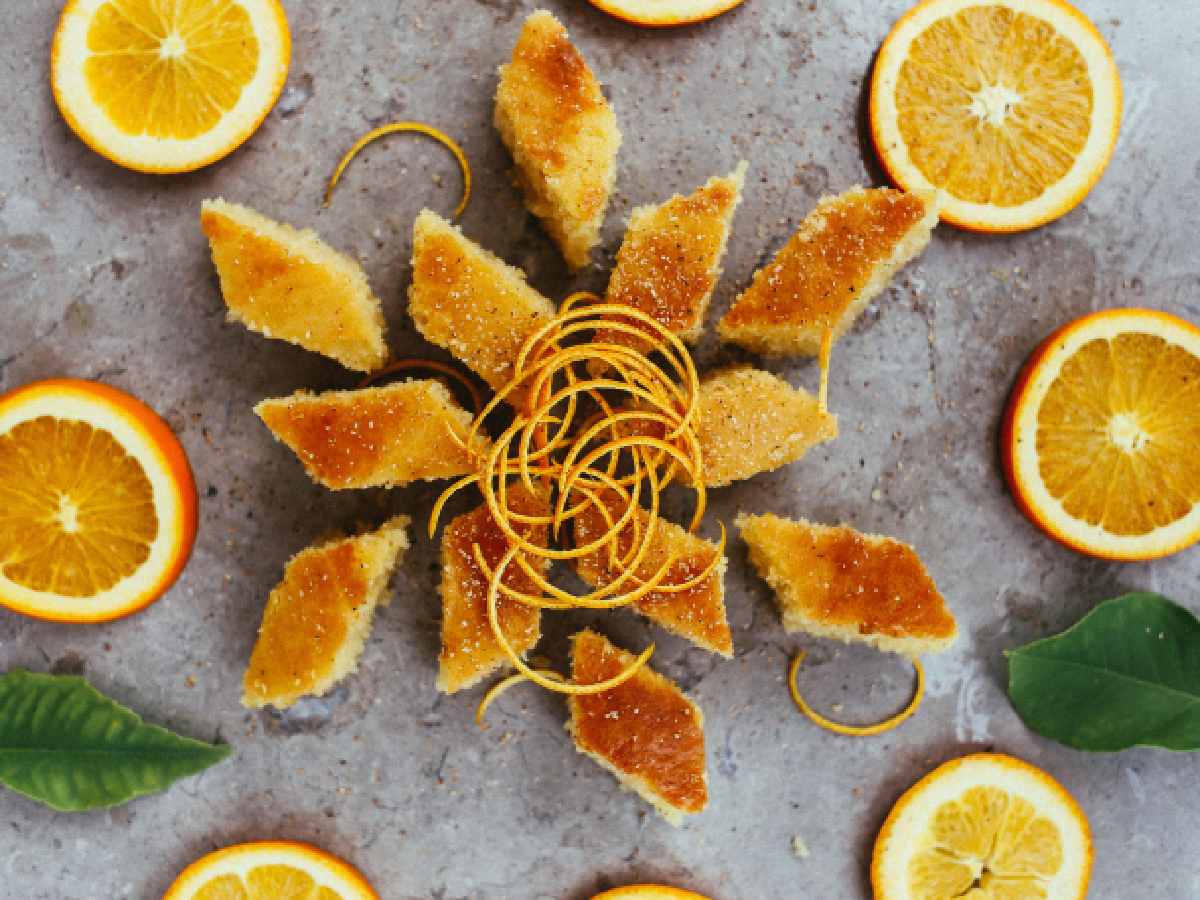
Lemon and orange peels can be dried or dehydrated and converted into flavoured salts, seasonings and garnishes. This allows the kitchen to make use of the peels’ aromatic qualities rather than discard them after extracting the juice.
The approach offers a way to make fuller use of ingredients while adding distinctive flavours to dishes.
LOCATION: Andaz Delhi, Aerocity, New Delhi
BANANA PEELS FIND A PLACE IN DESSERTS
At Le Méridien, New Delhi, chef Davinder Kumar has explored ways to repurpose ingredients such as banana peels, pumpkin seeds and fish trimmings in different preparations.
Banana peels can be incorporated into tea cakes after appropriate preparation, while pumpkin seeds can add texture to sweet dishes. Suitable fish trimmings, meanwhile, can be used to make patties or croquettes.
These methods depend on selecting ingredients that remain safe to eat and adapting them to recipes in which their flavours and textures work well. They also show how food upcycling can extend beyond vegetarian cooking.
LOCATION: Le Méridien, New Delhi
TOMATO PULP AND SKINS MOVE BEYOND SAVOURY COOKING
At Araku, known for its coffee-led café experience, chefs have explored ways to use tomatoes in preparations beyond conventional savoury dishes.
Tomato pulp can be incorporated into cake batter, while suitably prepared tomato skins can serve as a garnish. Tomato jam offers another way to use the fruit, balancing its natural acidity with sweetness.
These applications demonstrate how ingredients can be used in less conventional ways, allowing kitchen by-products to become part of new dishes without compromising on flavour or quality.
LOCATION: Araku, New Delhi
LEMON RINDS BECOME A FLAVOURING
At Fig & Maple in Greater Kailash II, chef Radhika Khandelwal has explored ways to make better use of ingredients through resource-conscious cooking, including the preservation of lemon rinds.
The rinds can be preserved in salt and lemon juice over an extended period, developing a concentrated, tangy flavour. The resulting preparation can be used in sauces, dressings and other dishes, making use of parts of the fruit that might otherwise be discarded.
Preservation thus offers a way to extend an ingredient’s culinary use while introducing distinctive flavours to a dish.
LOCATION: Fig & Maple, Greater Kailash II, New Delhi
On World Food Day, these examples show how ingredients that might otherwise be discarded can find a second use in the kitchen, helping restaurants reduce avoidable waste while making more of the food they buy.
CJP's Dipke and AISA chief Neha Bohra detained in Delhi while heading to Connaught Place…
Delhi court acquits 7 of murder in 2020 riots case due to lack of evidence,…
CJP leader Abhijeet Dipke detained from residence ahead of proposed 'Lehra Do Tiranga' protest at…
Delhi CM Rekha Gupta distributes bicycles to 1,400 schoolgirls in Shalimar Bagh under Vidya Vahini…
Poll officials begin reverifying 47 lakh plus deleted Delhi voters to ensure no eligible name…
CP protests hit businesses severely, leading to zero sales on some days during festive season;…



