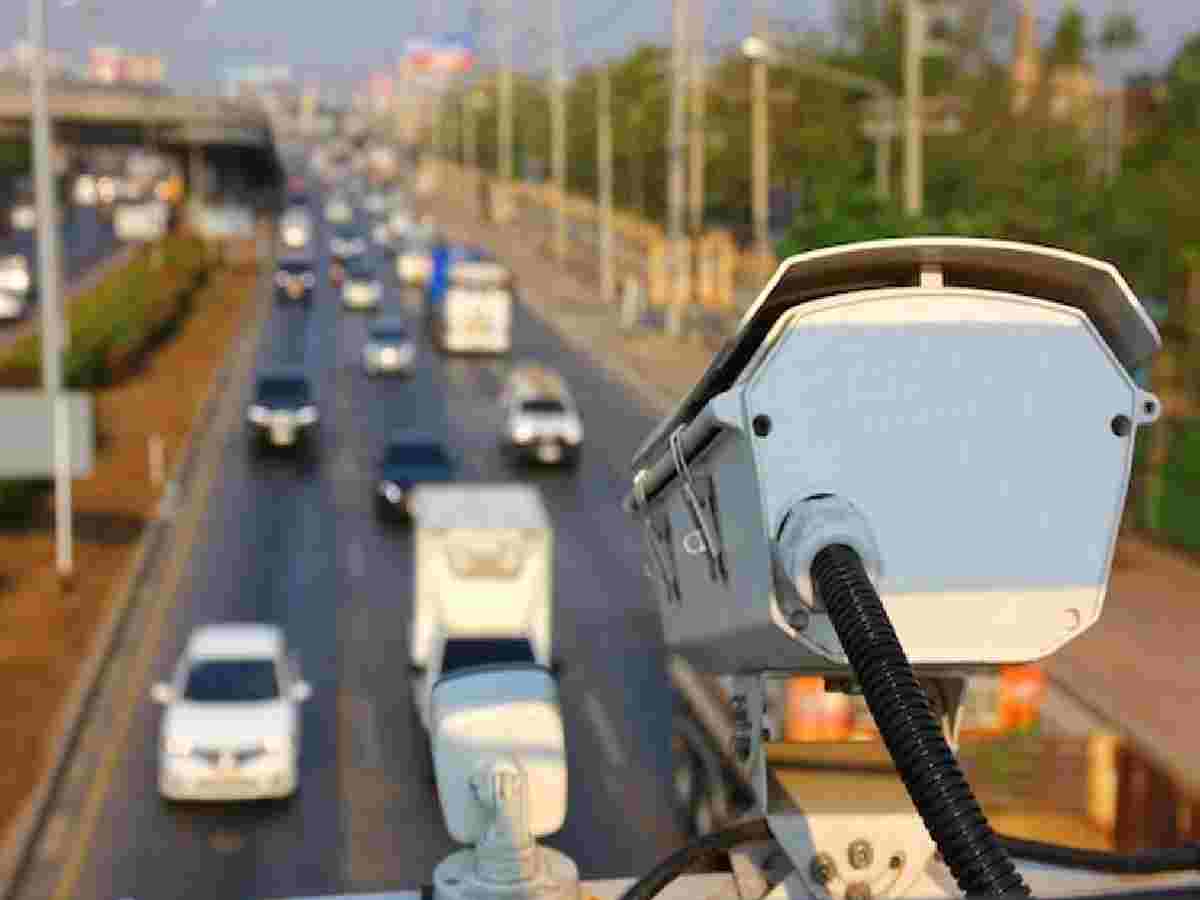
Delhi: Delhi’s traffic enforcement gets smarter with a 360-degree rotatable AI-powered 4D radar interceptor, capable of spotting violations like overspeeding, driving without a seatbelt, and using a mobile phone while driving. It would also issue automated e-challans without any human intervention, an official said Friday.
The AI-powered 4D radar interceptor will be mounted on top of police vehicles, a police source said, adding it will generate automated e-challan for violations, eliminating the need for human intervention.
The system can detect a wide range of violations, including overspeeding, driving a four-wheeler without a seatbelt, use of a mobile phone while driving, riding without a helmet, triple-riding on two-wheelers, pillion riding without protective headgear, and using fancy or designer number plates.
Also read: Thirteen Bangladesh nationals deported: Centre to SC
The interceptor features a 360-degree rotatable Automatic Number Plate Recognition (ANPR) camera mounted on the roof, providing a comprehensive view to monitor traffic and capture number plates. Its 4D radar system simultaneously tracks multiple vehicles and accurately measures their speed using advanced radio wave technology, he said.
The system integrates with the National Informatics Centre (NIC) for automated e-challan generation, ensuring swift enforcement of traffic rules, he said.
“The project is still in its initial stages and the first trial to test its efficiency was done on Friday. A total of 120 e-challans were generated by the AI-powered 4D radar interceptor,” the source said.
He added this will also reduce the need for intervention by the traffic personnel, ensuring the best use of resources and also minimising the chances of our police personnel getting hurt.
“Earlier, while the interceptor alerted police of violations, they had to physically intervene to stop the offenders. However, with this technology being equipped to generate e-challans, it reduces the chances of them getting hurt while trying to stop the violators,” he added.
Equipped with radars, sensors, cameras, and rule-based software algorithms, the interceptor scans vehicles passing through its field of view and identifies traffic violations in realtime.
Also read: Cash discovery row: SC collegium starts initial inquiry against Delhi HC judge
With cities moving towards Intelligent Traffic Management Systems (ITMS), AI-driven enforcement solutions such as this interceptor are expected to significantly enhance road safety and automation, he added.
The officer also said that by reducing reliance on manual monitoring, law enforcement agencies can allocate resources more efficiently to address public safety concerns.
The source also said that police are working on testing the feasibility of this idea and the project will be fully launched after everything has been thoroughly examined.
Average AQI of 171 in the first week of this month; falling temperatures and stubble…
Delhi Police dismissed claims of disrupting CR Park Durga Puja, stating actions strictly enforced court-mandated…
Gold rods worth Rs 4.03 crore, weighing 3.2 kg, were seized from a Dubai-arriving passenger…
Delhi recorded its coldest night of the month so far, with the minimum temperature dropping…
Elected to the Delhi Golf Club general committee, Mansher Singh says he wants to build…
A $780 million market built on pavements, where the pleasure of reading meets the price…
