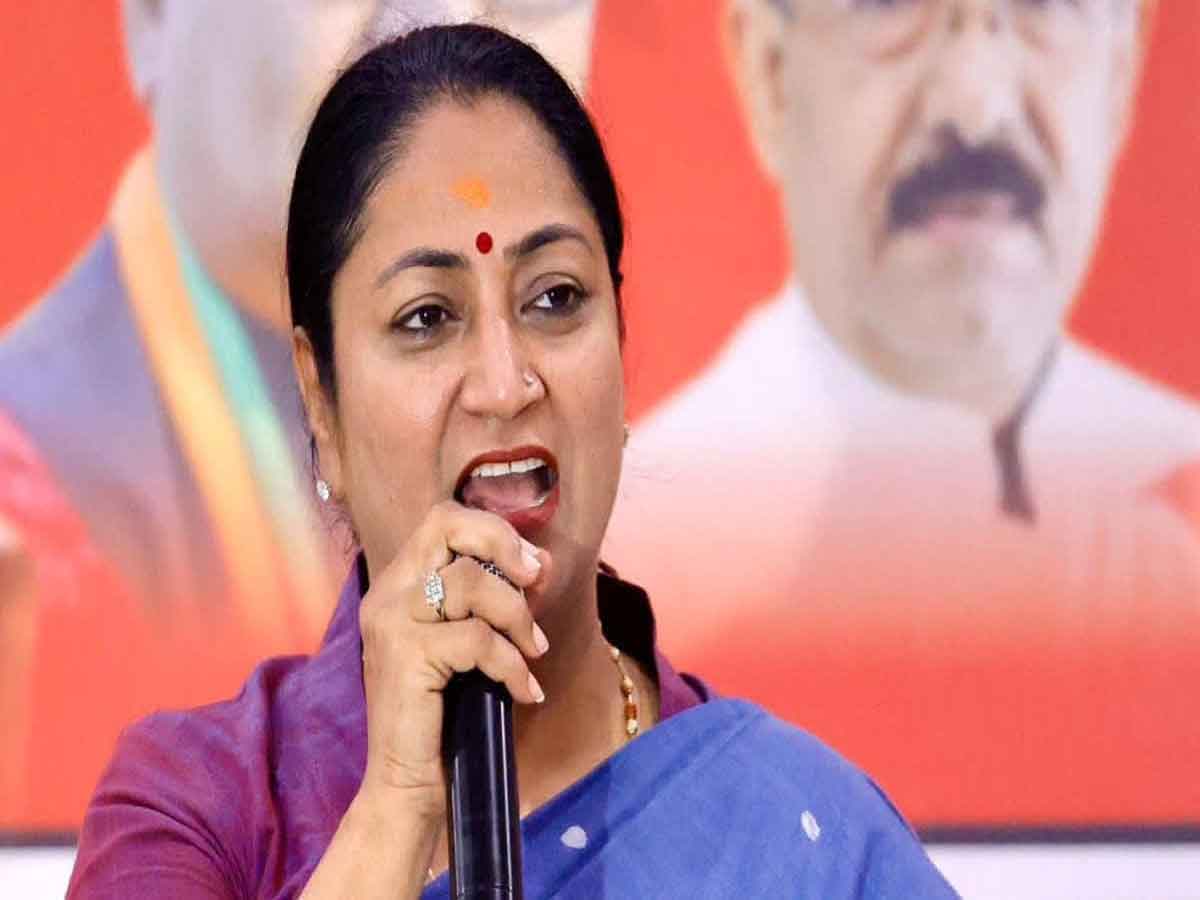
CM Rekha Gupta
The Delhi government will increase its overall sewage treatment capacity to 1,500 MGD by 2028 as part of its efforts to clean the Yamuna river, Chief Minister Rekha Gupta said on Wednesday.
At a Yamuna action plan review meeting, she said, “The Yamuna is not merely a river, but the lifeline of Delhi. Identification and survey of all small drains connected to Najafgarh and Shahdara drains will be completed through drone survey by the end of January.
The survey of remaining drains will be completed by the Delhi Jal Board (DJB) by June 2026, the chief minister said.
The Delhi government set a 2028 deadline to connect all 1,799 unauthorised colonies to the sewerage network.
The chief minister highlighted that coordination with neighbouring Haryana and Uttar Pradesh is essential to cleaning the Yamuna.
“Six drains from Haryana account for 33 per cent of the total contaminated water in Najafgarh, while four major drains from Uttar Pradesh discharge into the Shahdara Drain, accounting for approximately 40 per cent of the total contaminated water,” she said.
Gupta added that she would discuss this issue with the chief ministers of both states to find a solution.
“Currently, 37 sewage treatment plants in Delhi are treating 814 million gallons per day (MGD) of contaminated water, which is sufficient as per the current requirement. But keeping in view the future needs, the government has set a big target of increasing this capacity to 1,500 MGD,” the chief minister told the meeting.
The capacity of the treatment plants would be improved by 56 MGD by December 2027 by improving old machines. Moreover, 170 MGD capacity would be added by setting up 35 new small decentralised sewage treatment plants, she added
Additionally, new plants near drains of 460 MGD capacity will be added by December 2028.
“The biggest benefit of this will be that untreated sewage will no longer flow into the Yamuna. As sewage treatment capacity increases, more of the city’s wastewater will be cleaned and then released into the river,” Gupta said further.
Also Read: Long commutes, unpaid labour: Relocated women struggle to rebuild lives in Narela
The chief minister also informed the meeting that work on laying sewer lines in unauthorised colonies and JJ clusters was being expedited.
“Out of 675 JJ clusters, work has been completed in 574, while arrangements for single-point sewage collection are being made in 65 clusters. In addition, sewer network work in all 1,799 unauthorised colonies will be completed in a phased manner between December 2026 and December 2028,” Gupta added.
During the meeting, the chief minister directed the irrigation and flood control department to immediately identify suitable land to set up four bio-mining and processing plants for the scientific disposal of silt removed from roads and drains.
Elected to the Delhi Golf Club general committee, Mansher Singh says he wants to build…
A $780 million market built on pavements, where the pleasure of reading meets the price…
Supreme Court advocate Abhishek Pawar alleges women were denied washroom access for seven to eight…
Each day of closure costs shops in Khan Market and Connaught Place between Rs 60,000…
Delhi generates nearly 15,000 tonnes of waste daily, prompting the government to deploy 1,000 mechanical…
Delhi Police has issued an NOC for the Congress rally at Ramlila Maidan on November…
