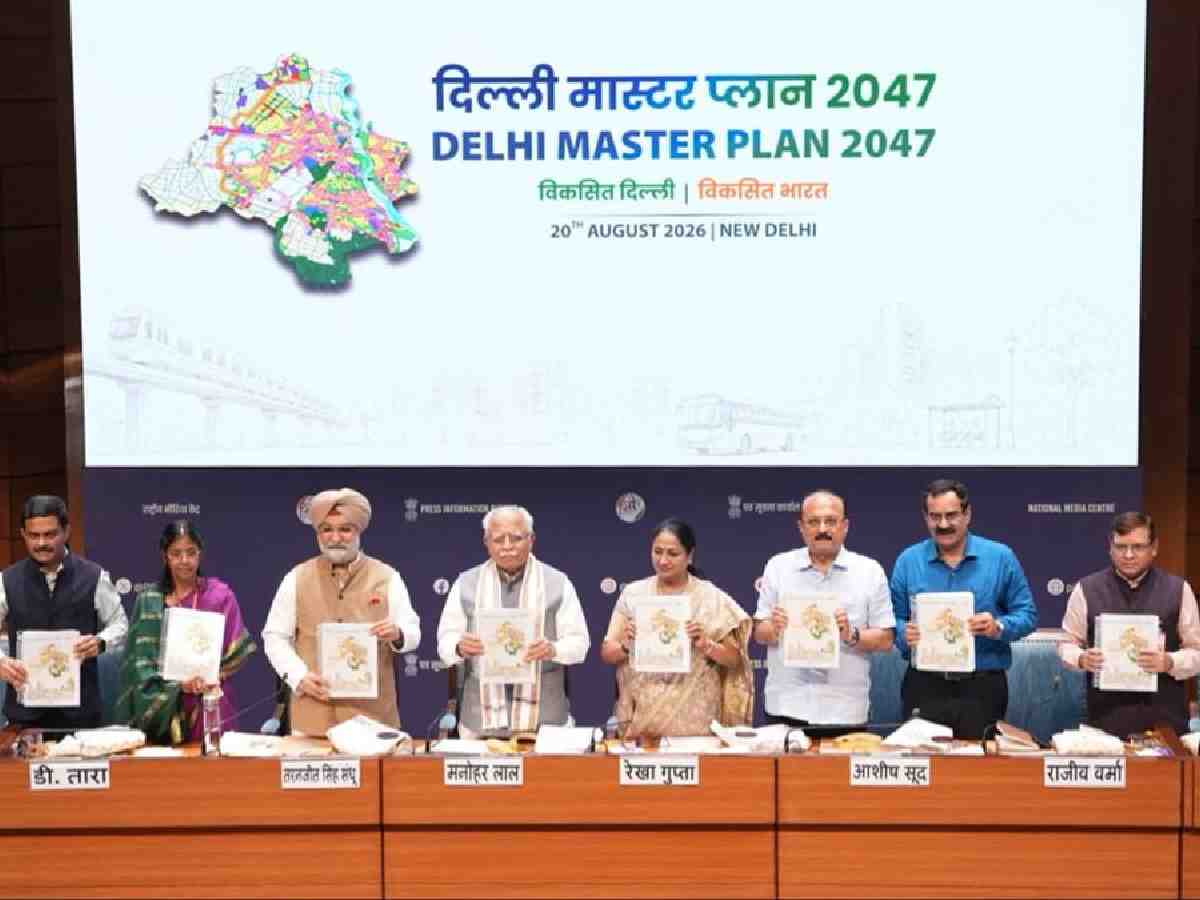
Measures proposed in the Master Plan for Delhi-2047, prepared by the DDA, include prohibiting high-intensity development along metro corridors in the Lutyens’ and Civil Lines Bungalow Areas, removing polluting industries and hazardous trades from the Walled City.
Also, heritage walks and cultural activities will be promoted across the national Capital.
For the Lutyens’ Bungalow Zone and Civil Lines Bungalow Area, the plan seeks to conserve their existing character, including avenues, large plots, extensive landscaping and low-rise development. Mixed-use development, high-intensity development along metro corridors and reduction of green cover will not be permitted.
It suggested identifying major markets, commercial streets and mixed-use streets in the Walled City and promoting the area as a cultural hub by allowing performance spaces, small museums, libraries, cafes, co-working spaces, craft centres and guest houses in the residential plots.
According to guidelines, bed-and-breakfast establishments would also be permitted. In consultation with residents and stakeholders, the historic character of the Walled City, including its katras, bazaars, streets and urban form, would be retained. Group housing would not be permitted in notified heritage areas, and mandatory stilt parking provisions would not apply there, it said.
A traffic management plan has also been proposed for the Walled City. This plan covers vehicular routes, pedestrianised streets, non-motorised transport routes, timings and limits for service and goods vehicles, parking areas and commuter movement around Metro stations.
The area would also be promoted as an ‘Active Travel Area’, with facilities for walking, cycling and cycle sharing. The plan identifies the Walled City, including Chandni Chowk, areas within the Lutyens’ Bungalow Zone and the Civil Lines Bungalow Area as Heritage Zones.
It also identifies Cultural Precincts and five Archaeological Parks — Mehrauli Archaeological Park, Tughlaqabad Biodiversity Park, Sultan Garhi Archaeological Park, Indraprastha Archaeological Park and Northern Ridge Archaeological Park. For cultural precincts, the DDA and local bodies will prepare Cultural Resource Management Plans covering urban design, architectural and built-form controls, restoration of legacy infrastructure, and traffic and parking management.
The plan proposed heritage trails and walks in these precincts, to link with cultural circuits and festivals. Greenways along natural drains connecting heritage assets could also be developed as eco-cultural corridors. Cultural activities such as art galleries, exhibition spaces, small museums, performance venues, restaurants and cafes, guest houses, research centres, libraries and craft centres would be permitted on residential plots within notified Cultural Precincts, subject to statutory approvals.
For archaeological parks, the DDA would prepare conservation plans for built and natural heritage, covering historic structures, gardens, orchards, water bodies, and stepwells. Temporary eco-friendly structures could be allowed for festivals, markets, and exhibitions, alongside the adaptive reuse of heritage buildings.
The plan recommended adaptive reuse of heritage buildings for commercial, office, hotel and socio-cultural uses — including museums, libraries, cultural performance spaces and craft centres — provided their historical and architectural character is maintained. Heritage buildings would have to retain significant architectural features, particularly their facades.
The plan advocated an incentive Floor Area Ratio of 50, provided through Transferable Development Rights, to preserve a property’s heritage character. Heritage Cells and a Heritage Fund have also been proposed to monitor and support conservation initiatives. Alongside heritage conservation, the plan proposes improving public spaces across Delhi, with a focus on safety, walkability and better amenities.
The Walled City, Nizamuddin, Chirag Dilli, India Gate lawns, Connaught Place, Hauz Khas and Mehrauli are among the areas identified as cultural hubs, along with Mandi House, Lodhi Institutional Area and Dilli Haat. The plan proposed heritage and cultural circuits, green-blue corridors and temporary festival circuits to improve tourism potential. Seasonal festivals, themed night walks and night markets could also be organised.
It called for the priority removal of encroachments, illegal parking and unauthorised structures from public spaces, with heavy penalties for encroachments. Public plazas would be developed in greenfield, regeneration and transit-oriented development areas, while plazas around major transit stations would facilitate public movement. In high-rise development areas, the plan encourages walkable, barrier-free public spaces that include shading, seating and vending zones, along with shops, cafes and retail outlets at ground level.
DMRC says zero reduction in train trips, attributes decline to security measures and public apprehension…
A Delhi court denied bail to a former DU professor accused of raping a student,…
Delhi Police charged seven dhaba workers in the fatal beating of a Manipuri musician who…
Seven Delhi STPs failed DPCC standards in September, dumping high levels of faecal coliform and…
AISA chief Neha Bora petitioned the Delhi HC against a police notice requiring a peace…
Average AQI of 171 in the first week of this month; falling temperatures and stubble…
