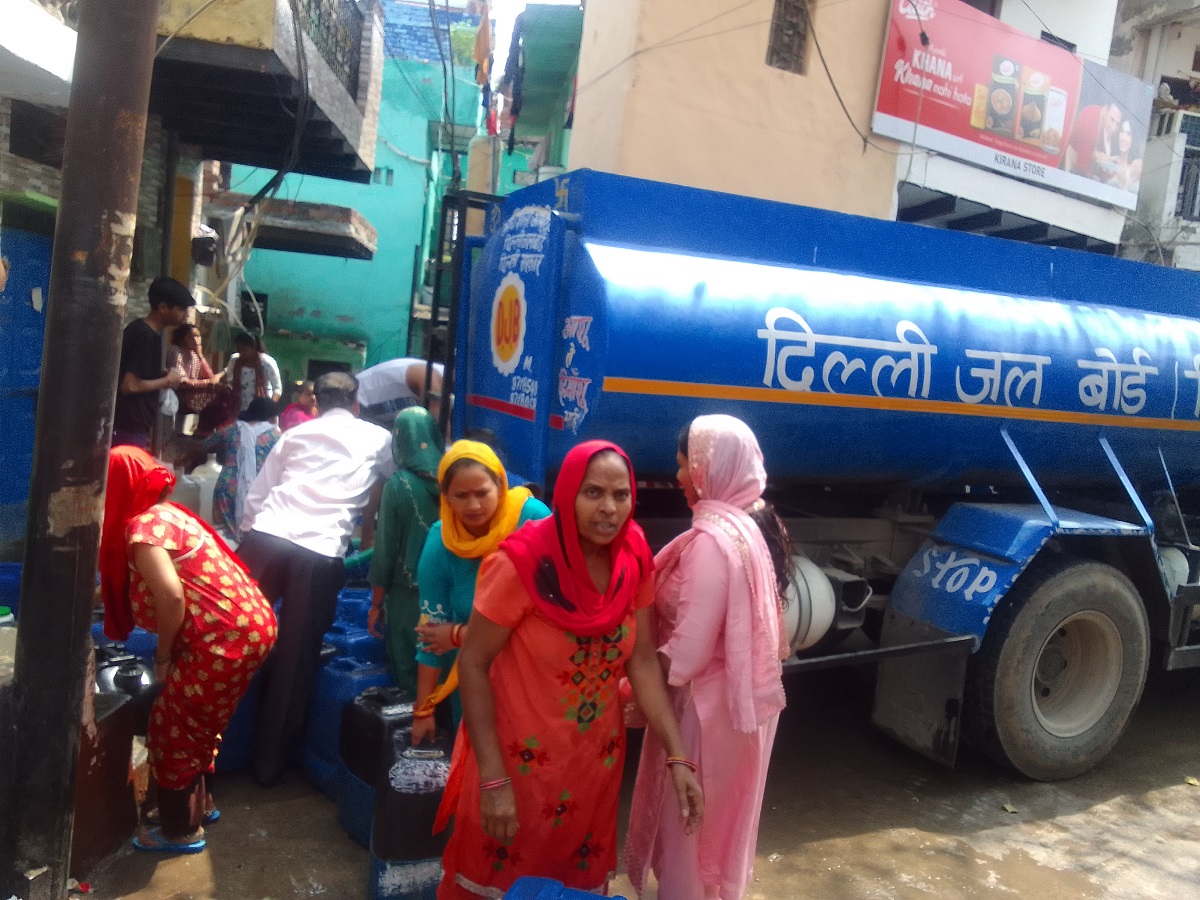
The Delhi government on Wednesday directed the DJB to impose a fine of Rs 2,000 for water wastage.
The move comes amid an “acute shortage” of water faced by Delhi, with Water Minister Atishi accusing Haryana of not releasing Delhi’s share of water from the Yamuna River.
The fine will be imposed for using hoses to wash cars, allowing water tanks to overflow, and using domestic water for construction and commercial purposes, Atishi said.
The minister directed the Delhi Jal Board (DJB) CEO to immediately deploy 200 teams across the city to implement measures to check water wastage.
These teams will deployed from 8 am on Thursday and will impose fines on anyone found wasting water. They will also disconnect any illegal water connections at construction sites or commercial establishments.
I appeal to all Delhites, whether your area has water shortage or not, please use water supply rationally… Whoever is getting sufficient water, should not use it wastefully. I appeal to everyone to not wash their cars with open pipes…” Atishi said.
The water crisis in Delhi comes as the city is reeling from a heatwave, with temperatures touching 50 degrees Celcius in several parts.
On Tuesday, at least three weather stations in Delhi registered maximum temperatures of 49 degrees Celsius or higher. Mungeshpur and Narela recorded 49.9 degrees, followed by Najafgarh at 49.8 degrees, according to the IMD. These temperatures marked the highest ever recorded in Delhi. (With inputs from PTI)
DMRC says zero reduction in train trips, attributes decline to security measures and public apprehension…
A Delhi court denied bail to a former DU professor accused of raping a student,…
Delhi Police charged seven dhaba workers in the fatal beating of a Manipuri musician who…
Seven Delhi STPs failed DPCC standards in September, dumping high levels of faecal coliform and…
AISA chief Neha Bora petitioned the Delhi HC against a police notice requiring a peace…
Average AQI of 171 in the first week of this month; falling temperatures and stubble…
