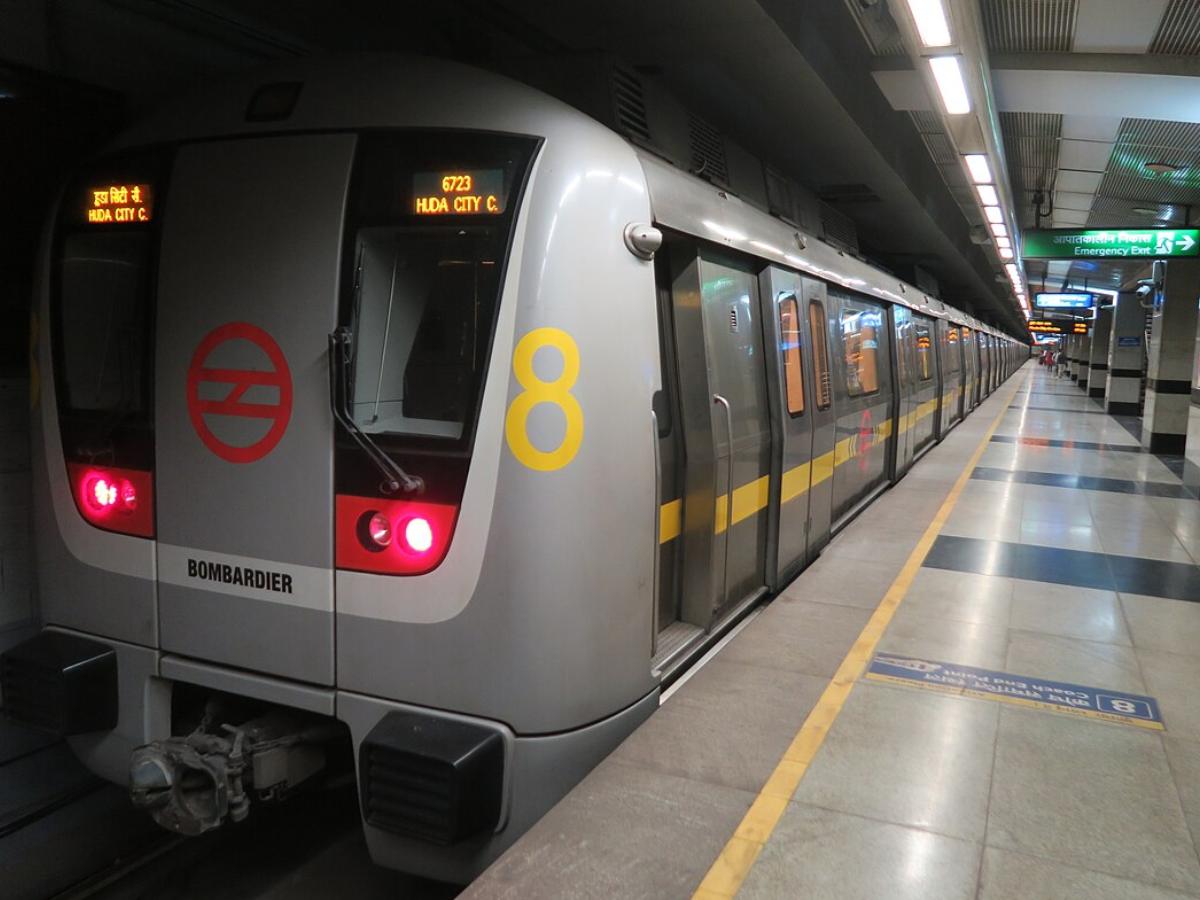
Delhi Metro
The Delhi Metro Rail Corporation is stepping up efforts to strengthen last-mile connectivity across its network, with nearly 92,000 commuters using services such as e-autos, bike taxis, public bicycles and e-rickshaws every day.
Speaking about the challenge of ensuring seamless travel beyond metro stations, DMRC Managing Director Vikas Kumar said the corporation has partnered with several mobility providers and is exploring newer alternatives to make commuting more convenient for passengers.
“Last-mile connectivity is also a challenge right now, but we have taken a lot of steps,” Kumar said in an interview with PTI.
He added that DMRC wants to offer “a bouquet” of transport choices to commuters depending on their convenience and affordability.
Kumar said that around 91,987 passengers used last-mile connectivity services daily as of April 30, 2026.
This included 55,580 commuters using e-autos, 30,442 using bike taxis and public bicycle-sharing services, and 5,965 using e-rickshaws, he said.
The metro network currently offers a range of services including electric autos, e-rickshaws, pedal bicycles, e-bikes, bike taxis as well as EV charging and battery-swapping facilities through multiple operators, according to Kumar.
He said 1,507 e-autos are currently deployed across the network, while another 316 vehicles are planned to be added by March 2027 in phases.
The corporation has also introduced battery-swapping infrastructure for e-rickshaws at 14 metro stations, including Rithala Metro Station, Rajendra Place Metro Station, Botanical Garden Metro Station and Vaishali Metro Station, he shared.
Public bicycle-sharing services under the initiative include an average deployment of 212 pedal cycles and 185 battery-operated bicycles daily, he said.
Kumar said DMRC has tied up with operators such as Rapido, Uber and Bharat Taxi for bike taxi and cab services, while Delhi Transport Corporation buses also support metro feeder connectivity.
Referring to recent initiatives, he said DMRC has also started operating hydrogen buses in the Central Vista region in partnership with Indian Oil Corporation Limited.
The DMRC MD said dedicated pick-up and drop-off zones for autos, buses and private vehicles are now being integrated into station planning to reduce congestion around metro premises.
He, however, stressed that commuter discipline and adherence to designated lanes remain key to ensuring smooth traffic movement near stations.
A $780 million market built on pavements, where the pleasure of reading meets the price…
Supreme Court advocate Abhishek Pawar alleges women were denied washroom access for seven to eight…
Each day of closure costs shops in Khan Market and Connaught Place between Rs 60,000…
Delhi generates nearly 15,000 tonnes of waste daily, prompting the government to deploy 1,000 mechanical…
Delhi Police has issued an NOC for the Congress rally at Ramlila Maidan on November…
CJP chief Abhijeet Dipke received conditional bail following his arrest for participating in a Connaught…
