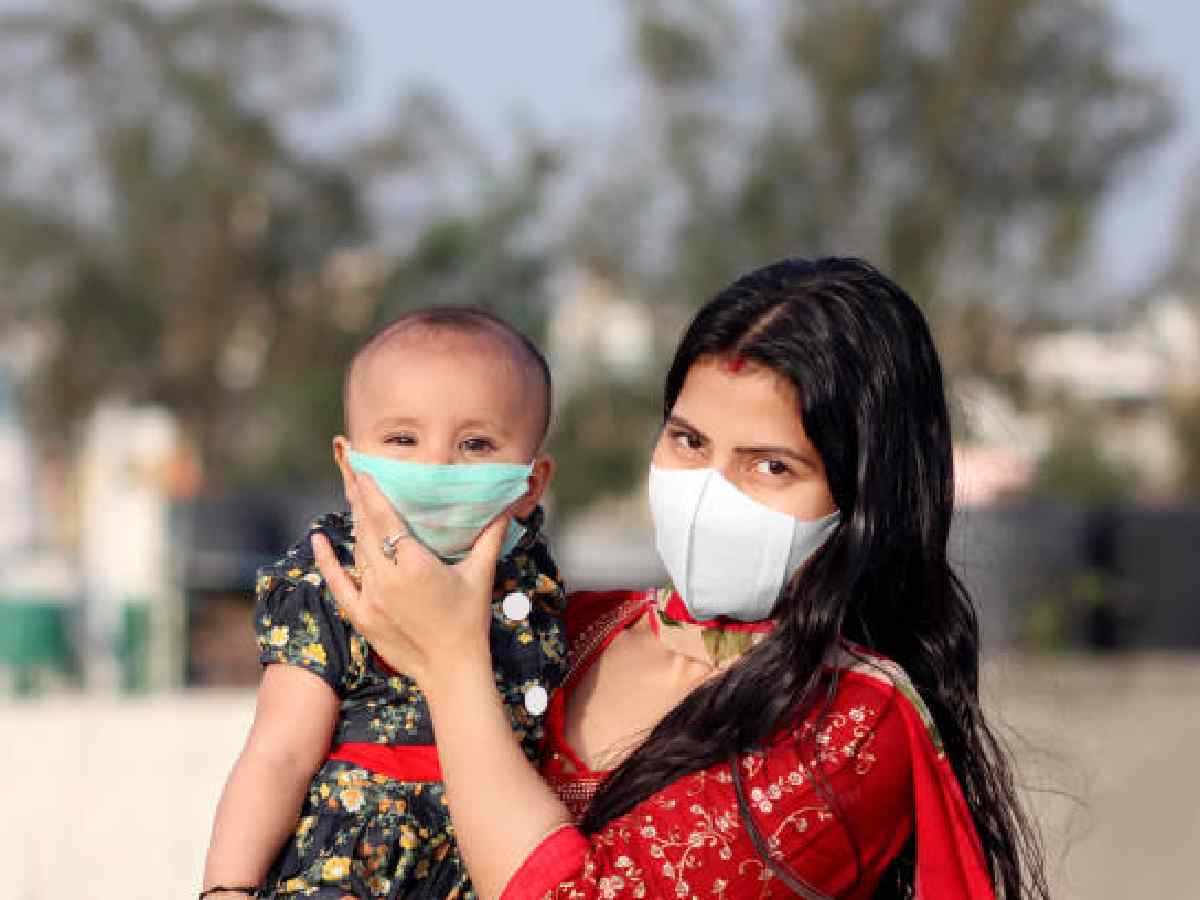
Hospitals in the national capital are witnessing a worrying 20% rise in pneumonia and respiratory infections in the weeks following the monsoon showers. Doctors across leading government and private hospitals warn that sudden weather changes, coupled with low vaccination rates and worsening air pollution, have created a surge in viral and bacterial infections.
Dr Dhiren Gupta, Senior Consultant Paediatrics at Sir Ganga Ram Hospital, confirmed the spike. “After rains, there is an increase of 20% in viral infections and pneumonia, though official studies confirming this are still pending,” he said.
At Lok Nayak Hospital, a senior doctor who did not wish to be named reported a similar trend, noting that there had been a 15–20% rise in respiratory diseases in recent weeks. The doctor added that public hospitals are seeing a steady influx of patients with viral pneumonia and bronchitis.
Weather fluctuations fuel viral spread
Doctors attribute the surge primarily to abrupt weather changes, with heavy rains followed by dry and humid spells creating ideal conditions for viruses to spread. Respiratory pathogens such as H3N2, H1N1, and RSV thrive in these circumstances, particularly in schools and crowded households where droplet infections are common.
According to Dr Kuldeep Kumar Grover, Associate Director of Pulmonology and Critical Care at CK Birla Hospital, Gurugram, the shift in weather patterns has had a direct impact. “We are seeing 15–20% more pneumonia and severe acute bronchitis cases daily. While hospitalisation is less common, frequent OPD visits have become routine,” he explained. He added that infections are spreading rapidly among schoolchildren, aggravated by sudden weather changes.
Air pollution is compounding the crisis, especially among children. “Pollution-related exposure is mostly causing acute flare-ups of asthma, upper and lower respiratory tract infections, and bronchitis. Depending on the size of dust particles, the impact ranges from the upper airways and sinuses to the deep parts of the alveoli, often leading to bronchiolitis in children,” Dr Grover said.
Also Read: Broken promises in Delhi’s slum rehabilitation housing
Children and elderly at greater risk
The youngest and oldest remain the most vulnerable. Infants between two and eleven months face the highest risk of severe or hypoxic pneumonia, while children under five bear the greatest burden globally. Malnutrition, poor hygiene, and lack of vaccination further increase vulnerability in urban and semi-urban households.
Dr Gupta stressed the need for greater awareness among parents. “Infants and under-five children are at the highest risk, particularly if they are malnourished or not vaccinated. Factors like indoor air pollution, crowded living conditions, and poor maternal education only make children more prone to pneumonia,” he said.
The elderly are also reporting a surge in severe cases. Dr Vikas Maurya, Senior Director and Head of Respiratory Medicine & Critical Care at Fortis Hospital, Shalimar Bagh, said pneumonia cases have risen across all age groups. “There has been a significant increase in patients with upper and lower respiratory tract infections, including pneumonia. While the extremes of age—children and elderly—remain the worst affected, even younger and middle-aged patients are coming in with viral pneumonia. Many cases involve single or even both lungs, requiring ward admissions and ICU care,” he noted.
From viral to bacterial pneumonia
Doctors are observing that many current cases begin as viral infections but are later complicated by bacterial pneumonia. Viral pneumonia, which is dominating the current season, is generally managed with supportive care. Once bacterial infection sets in, antibiotic treatment and hospitalisation become necessary.
Dr Maurya warned of rising severity this season. “The number of pneumonia cases has more than doubled compared to previous weeks. With changing environmental conditions and continuous rainfall, we are seeing patients not only in large numbers in OPD but also requiring hospitalisation. Those with pre-existing conditions like asthma, COPD, lung fibrosis, diabetes, or chronic heart, kidney, and liver disease are especially prone,” he said.
Why Delhi faces repeated outbreaks
While pneumonia surges after the monsoon are not new, doctors argue that Delhi’s problem is worsening due to multiple underlying causes. Low vaccination rates among children mean fewer are protected against flu and pneumococcal pneumonia. Environmental risks, particularly indoor smoke from biomass cooking fuels, continue to put poorer households at risk. Malnutrition, poor sanitation, and overcrowded homes accelerate the spread of infections.
This combination, experts say, ensures that each year’s weather fluctuations lead to predictable spikes in pneumonia and respiratory illnesses across the city.
Treatment and precautions
Treatment depends on whether the pneumonia is viral or bacterial. Mild cases can be managed with fluids, rest, and fever control, while bacterial pneumonia requires antibiotics. Severe pneumonia—particularly hypoxic cases in infants or those with chronic illness—may need hospitalisation, oxygen therapy, and even ICU care.
Doctors strongly caution against self-medication. “Antibiotics should not be started without medical advice. Misuse can worsen resistance and complicate recovery. Early diagnosis by a doctor is essential,” Dr Grover said.
Preventive measures such as vaccination, improved nutrition, maintaining hygiene, and limiting exposure to pollutants are strongly advised. “Simple steps like timely vaccination, better nutrition, and reducing smoke exposure indoors can prevent many pneumonia complications. Parents should act quickly if children show warning signs like fast breathing or persistent fever,” Dr Gupta said.
Also Read: Heavy rain causes worry among residents near Delhi’s landfills
An annual crisis with growing intensity
The post-monsoon surge in pneumonia has become an annual crisis in Delhi, but doctors warn that its intensity is increasing each year. Erratic weather, rising viral activity, and worsening pollution are ensuring that pneumonia remains a seasonal threat.
Dr Maurya believes stronger preventive action is essential. “The fact that patients are not just increasing in numbers but also in severity, with more ICU admissions, should serve as a wake-up call. Without vaccination campaigns and pollution control measures, the city will continue to face the same crisis every monsoon,” he said.
Customs arrested a Bangkok passenger in Delhi after seizing precious stones worth Rs 2.02 crore…
Protesters outside a police station demanded an FIR over the sexual harassment of three women…
Delhi HC dismissed pleas seeking an independent SIT probe into the 2020 northeast Delhi riots…
SC asks Delhi HC to consider plea by 11 Gymkhana Club members challenging Centre’s takeover…
The department received 907 complaints in August, of which 67 remain unaddressed; PWD to replace…
Two suspected associates of gangster Rashid Cablewala were injured in a police encounter in northeast…
