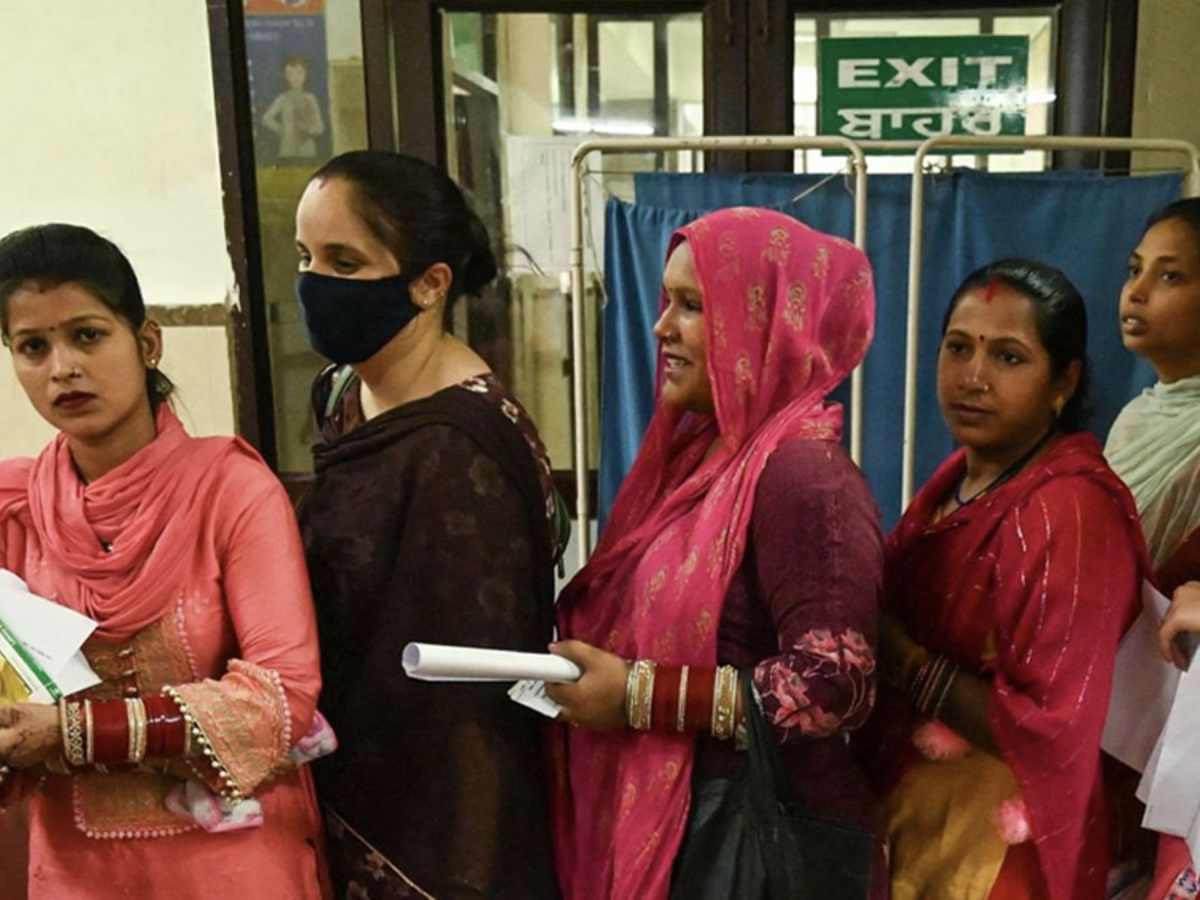
As per medical experts, pregnancy already places additional demands on a woman’s body. Prolonged exposure to extreme heat can further strain vital systems, leading to dehydration, heat exhaustion, blood-pressure fluctuations and, in severe cases, preterm labour.
“Pregnancy is already a special condition for women as there is an increased demand on both the mother and the baby,” Dr Anubhuti Rana, Associate Professor in the Department of Obstetrics and Gynaecology at AIIMS Delhi, tells Patriot over the phone.
“Heatwaves can cause exhaustion and dehydration, which may affect both the mother and the foetus,” Dr Rana adds.
Pregnant women are particularly vulnerable during heatwaves because their bodies naturally generate more heat and require greater fluid intake.
“When a woman is pregnant, her body works harder and produces more heat. During summers, the body has to work harder to stay cool, which can put additional stress on the heart and the rest of the body,” Dr Madhulika Sinha, Director and Head of Obstetrics and Gynaecology at Aakash Healthcare, tells Patriot.
Dehydration and excessive heat exposure can leave expectant mothers feeling weak, dizzy, and exhausted, and affect blood circulation to the developing baby, Dr Sinha points out.
According to doctors, prolonged exposure to high temperatures can trigger a range of complications, from urinary tract infections and heat exhaustion to more serious maternal and fetal concerns.
“Extreme heat exposure during pregnancy can lead to dehydration, heat exhaustion, urinary infections, high blood pressure, and an increased risk of preterm labour,” says Dr Pooja Chaudhary, Consultant Obstetrics, Gynaecology and Laparoscopic Surgery at Motherhood Hospitals, Greater Noida.
“Excessive heat may affect placental blood flow and reduce amniotic fluid levels. If not managed properly, it can impact fetal growth and increase the chances of pregnancy complications,” Dr Chaudhary adds.
Risks for mothers, babies
Dehydration during pregnancy can have consequences beyond temporary discomfort.
“Extreme heat and dehydration during pregnancy may increase the risk of adverse outcomes for both mother and baby, including preterm birth, low birth weight, and, in some cases, neonatal complications,” explains Dr Sanjay Wazir, Medical Director (NCR)-Neonatology and Paediatrics at Motherhood Hospitals, Gurugram.
“The risk can occur across pregnancy, and early pregnancy may be especially important for certain outcomes,” he says.
As per Dr Pallavi Vasal, Clinical Director, Obstetrics and Gynaecology at Marengo Asia Hospitals, Gurugram, one of the biggest concerns is reduced blood flow to the placenta.
“Excessive sweating and inadequate fluid intake can reduce blood flow to the placenta, affecting the baby’s oxygen and nutrient supply,” Dr Vasal says. “For the baby, dehydration and reduced placental circulation may contribute to fetal distress, low birth weight and early delivery.”
Pre-existing conditions
Women with pre-existing health conditions are at an increased risk of adverse outcomes.
“What we are increasingly seeing is that prolonged heat exposure can worsen pregnancy-related complications, especially for women with high-risk pregnancies, hypertension, or existing health conditions,” notes Dr Yash Bahuguna, Consultant Gynaecologist and Hormonal Health Expert at Pinky Promise.
Women suffering from anaemia, diabetes, hypertension and heart conditions are particularly vulnerable during periods of extreme heat.
Rising visits to hospital
Hospitals are witnessing a noticeable increase in heat-related complaints among pregnant women during the summer months. “There is a surge in summer-related pregnancy concerns, such as dehydration, heat exhaustion, fainting episodes, urinary infections and early labour symptoms during extreme heat conditions,” Dr Chaudhary says.
“Many expectant mothers require medical attention due to inadequate hydration and prolonged heat exposure.”
Also Read: Heatwave pushes surge in illness as doctors warn against ignoring early symptoms
Dr Aswati Nair, Clinical Director and Fertility Specialist at Nova IVF Fertility, Rajouri Garden, Delhi, says women who have conceived through IVF may need to be more cautious.
“In IVF pregnancies, maintaining stable maternal health is especially important because these pregnancies are often closely monitored and may already carry higher emotional and physical stress,” Dr Nair says.
“We are seeing more pregnant women reporting heat exhaustion and dehydration during the intense summer months.”
Doctors say heatwaves are also affecting sleep quality, emotional well-being and overall comfort levels among expectant mothers. “Not sleeping well, feeling tired and being uncomfortable can cause stress and irritability in women,” Dr Sinha says.
Daily struggles
The effects of the heatwave are being felt across the city by pregnant women, many of whom say the soaring temperatures have made daily life increasingly difficult.
Pooja Sharma, who is eight months pregnant, says the heat has worsened fatigue and disrupted her sleep. “I feel exhausted throughout the day and often wake up several times at night because of the heat. Even sitting comfortably becomes difficult when the temperature remains high.”
“The constant sweating and discomfort make me feel restless, and I have been drinking much more water than usual.”
Similarly, seven-month pregnant Neha Verma says she has been avoiding stepping outdoors during the afternoon after experiencing dizziness and headaches. “The afternoons are unbearable. If I have to go outside, I carry water with me and try to return home as quickly as possible,” she says.
“I often feel weak after being outdoors, even for a short time.”
For Kavita Singh, who is expecting her first child, sleep has become one of the biggest challenges during the ongoing heatwave.
“There is a constant feeling of unease and discomfort. Some nights I barely sleep because of the heat and humidity. My doctor advised me to stay hydrated and avoid going out during peak hours, which has helped.”
Red flags
Recognising early symptoms can prevent severe complications.
“Pregnant women should watch for warning signs such as excessive thirst, dizziness, headache, dark urine, weakness, muscle cramps, reduced urination or fainting during extreme heat,” Dr Chaudhary says.
“Seek immediate medical attention if there is reduced fetal movement, contractions or severe fatigue.”
Dr Wazir advises pregnant women to seek medical help if they experience reduced fetal movements, persistent thirst, muscle cramps, dark urine, dizziness or weakness.
Dr Vasal says persistent dizziness, severe headache, fever, shortness of breath, painful contractions and reduced fetal movements require urgent medical evaluation.
A consultant obstetrician and gynaecologist at Gleneagles Hospital, part of the Fortis network, says many women overlook the early effects of heat stress. “By the time a pregnant woman says, ‘I feel unusually tired,’ her body may already be fighting a silent battle against heat,” the doctor explains.
Prevention the best defence
Most heat-related complications can be prevented through simple precautions.
“They should drink plenty of water, coconut water and shikanji. They should also take frequent rests and consume fresh and nutritious food,” Dr Rana tells Patriot.
She also advises adding salt and lemon to water during periods of extreme heat, and avoiding stepping outdoors during peak heat hours – between 12 pm and 4 pm. “At home, pregnant women should wear soft and loose-fitting clothes during the ongoing heatwave.”
Doctors recommend drinking water regularly even before feeling thirsty and including electrolyte-rich fluids when needed. “Hydration during pregnancy is not just about drinking more water. It is also important to maintain electrolyte balance, and ORS can be useful for this,” Dr Bahuguna says.
Eating water-rich fruits, staying in cool and well-ventilated environments, wearing breathable cotton clothing, and avoiding strenuous physical activity during peak afternoon hours are also recommended.
“Women should stay hydrated, avoid unnecessary travel in peak afternoon heat, wear loose breathable clothing, and immediately seek medical advice if they notice symptoms such as severe weakness, fainting, reduced fetal movement, headaches, or contractions,” Dr Nair says.
As heatwaves become more frequent and intense, climate-linked health risks are increasingly becoming an important aspect of maternal healthcare.
“Heatwaves are no longer just uncomfortable summer days — they are becoming a genuine health concern, especially for pregnant women,” Dr Vasal says.
“If you are pregnant, hydration is not just about quenching thirst — it is about protecting your baby’s environment, circulation and growth.”
After 12 years in theatre, the actor makes his international film debut with a role…
Protester alleges Delhi Police assaulted detainees, deleted phone videos, and detained minors during anti-CEC protest…
Shifting protests away from Jantar Mantar weakens democratic visibility and access to political power, an…
CM Rekha Gupta defends SIR and EC integrity, saying democracy can't be held hostage to…
AISA students march to Supreme Court over 'vote chori' claims against CEC, as police barricade…
DMRC extends closure of six central Delhi metro station gates until 5 pm citing security…
