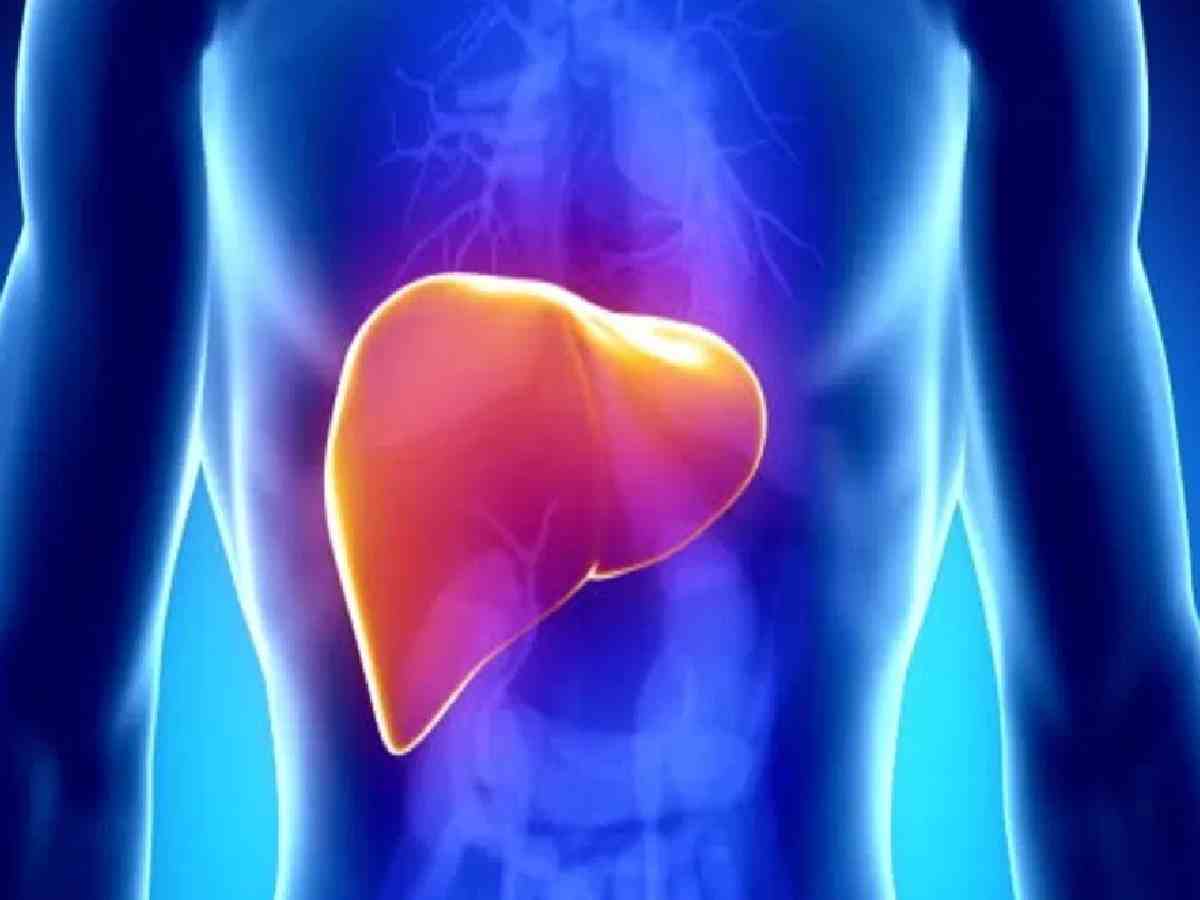
As metabolic-associated steatotic liver disease (MASLD), previously known as non-alcoholic fatty liver disease, continues to rise globally, doctors are warning that the risk may begin far earlier than previously understood — even before birth.
Emerging evidence, including findings from the Avon Longitudinal Study of Parents and Children (ALSPAC), suggests that a child’s susceptibility to liver disease may be shaped during pregnancy, driven by parental metabolic health and lifestyle factors.
“The burden of MASLD is escalating at an alarming rate, and the evidence now suggests this risk begins far earlier than we once believed,” said Dr Kavya Harika Dendukuri, Lead Consultant Hepatologist at Gleneagles Hospital, part of the Fortis Healthcare Network.
Global rise
Recent global estimates highlight the scale of the crisis. According to research published in The Lancet Gastroenterology & Hepatology, around 1.3 billion people worldwide are currently living with MASLD — an increase of 143% over the past three decades.
The disease now affects roughly one in six people globally, and projections suggest the number could rise to 1.8 billion by 2050, driven largely by increasing obesity rates and rising blood sugar levels.
In 1990, about 500 million people were affected; by 2023, that figure had more than doubled. Experts warn that while improved treatment has helped stabilise disease impact, the growing number of early-stage cases could translate into a future surge in complications such as cirrhosis and liver cancer.
Early-life origins
Experts say maternal health during pregnancy plays a crucial role in shaping a child’s long-term metabolic outcomes.
“Maternal metabolic health — including obesity, insulin resistance, and gestational diabetes — can epigenetically alter hepatic fat metabolism in the developing fetus,” Dr Dendukuri explained, adding that MASLD must now be viewed as a condition rooted in the earliest stages of life.
While maternal factors have a more direct impact due to the in-utero environment, paternal health is also emerging as a contributor.
“Parental obesity can influence a child’s liver health through hormonal changes, inflammation, and epigenetic effects during pregnancy,” said Dr Nishant Bansal, Consultant Paediatrician and Neonatologist at Motherhood Hospitals, Noida.
“This risk is more strongly linked to maternal health, but paternal obesity can also contribute through genetic factors,” he added.
Balancing caution with evidence, experts note that while such findings are significant, more research is needed to establish definitive causal links.
‘No definitive conclusions’
“At this stage, it is difficult to draw definite conclusions. These findings are insightful but should be interpreted with caution until stronger evidence is established,” Dr Bansal said.
Adding to this, Dr Owais Nazir, a physician based in Kashmir, told Patriot, “We are increasingly seeing metabolic disorders appearing at younger ages. This makes it critical to address risk factors early — starting from parental health and continuing through childhood lifestyle habits.”
Lifestyle triggers
Doctors point out that early-life susceptibility, combined with modern lifestyle patterns, is accelerating the disease burden.
In children, excessive intake of fructose-rich foods, ultra-processed diets, and physical inactivity are key drivers, often leading to fat accumulation in the liver even among those who are not obese.
In adults, risk factors shift towards visceral fat, insulin resistance, dyslipidaemia, and sedentary behaviour.
High blood sugar has emerged as the leading global driver of MASLD-related complications, followed by high body mass index and smoking — underscoring the strong link with type 2 diabetes and obesity.
Also Read: Heatwave pushes surge in illness as doctors warn against ignoring early symptoms
Genetic predisposition also plays a major role.
“Variants in genes such as PNPLA3, TM6SF2, and MBOAT7 significantly influence individual susceptibility,” Dr Dendukuri said, noting that some lean individuals may develop advanced liver disease while certain obese individuals may not.
Silent but serious
MASLD often progresses unnoticed in its early stages, making early detection challenging.
“Most patients experience no symptoms initially. Fatigue and mild abdominal discomfort are often dismissed, and by the time symptoms appear, fibrosis may already be advanced,” Dr Dendukuri said.
The disease is closely linked with other major health conditions, creating a broader metabolic risk.
“MASLD shares a bidirectional relationship with type 2 diabetes, cardiovascular disease, and chronic kidney disease,” she added, emphasising that cardiovascular complications are a leading cause of death among these patients.
Challenges in diagnosis
Experts stress that conventional liver function tests alone are not sufficient for early detection.
“The most reliable non-invasive tools include FibroScan with controlled attenuation parameter, along with scoring indices such as FIB-4 and the NAFLD Fibrosis Score,” Dr Dendukuri said.
Liver biopsy remains the gold standard in cases where non-invasive results are inconclusive.
Routine screening is particularly recommended for individuals with obesity, metabolic syndrome, type 2 diabetes, or a family history of liver disease.
Can early risks be reversed?
Despite the growing concern, doctors underline that early intervention can significantly alter outcomes.
“Early-life risks are not necessarily permanent. Healthy nutrition, physical activity, and regular monitoring can reduce or even reverse their impact,” Dr Bansal said.
Dr Monika Sharma, Senior Consultant in Endocrinology at Aakash Healthcare, echoed this view, stressing the importance of pre-pregnancy health.
“Parental obesity can influence a child’s biology through epigenetic changes. A healthy pregnancy environment is an investment in the child’s future health,” she said.
Rising burden
The concern is particularly acute in urban centres like Delhi, where lifestyle-related risk factors are widespread.
A recent meta-analysis by AIIMS and SGPGI found that Delhi has a NAFLD prevalence of 22.8%, with rates rising sharply to over 60% among high-risk groups such as those with obesity and diabetes.
Doctors warn that without timely intervention, MASLD could become a major public health crisis.
Prevention remains key
Experts emphasise that awareness and lifestyle changes remain the most effective tools to combat the disease.
“Detecting MASLD early is not just a liver-related priority — it is a cardiovascular one too,” Dr Dendukuri said.
Doctors advise maintaining a healthy weight, adopting a balanced diet, engaging in regular physical activity, and monitoring metabolic health — especially for those planning a pregnancy.
As evidence continues to evolve, doctors stress that prevention must begin not just in adulthood, but as early as the prenatal stage, with a focus on parental health and early-life interventions.
Delhi L-G appointed Paralympian Suvarna Raj as State Commissioner for PwDs following her gold win…
DDA is planning Delhi's longest 24-km cycling track along the Yamuna floodplain, linking key eco-projects…
Police detained several anti-SIR protesters heading to the ECI headquarters in Delhi as mass gatherings…
An exhibition that revisits the significance of Indian Modernism through works from earlier and defining…
Delhi Excise to host camps to register banquet halls for P-10 permits ahead of the…
Delhi officials seized over 322 kg of suspicious ghee sold at heavy discounts ahead of…



