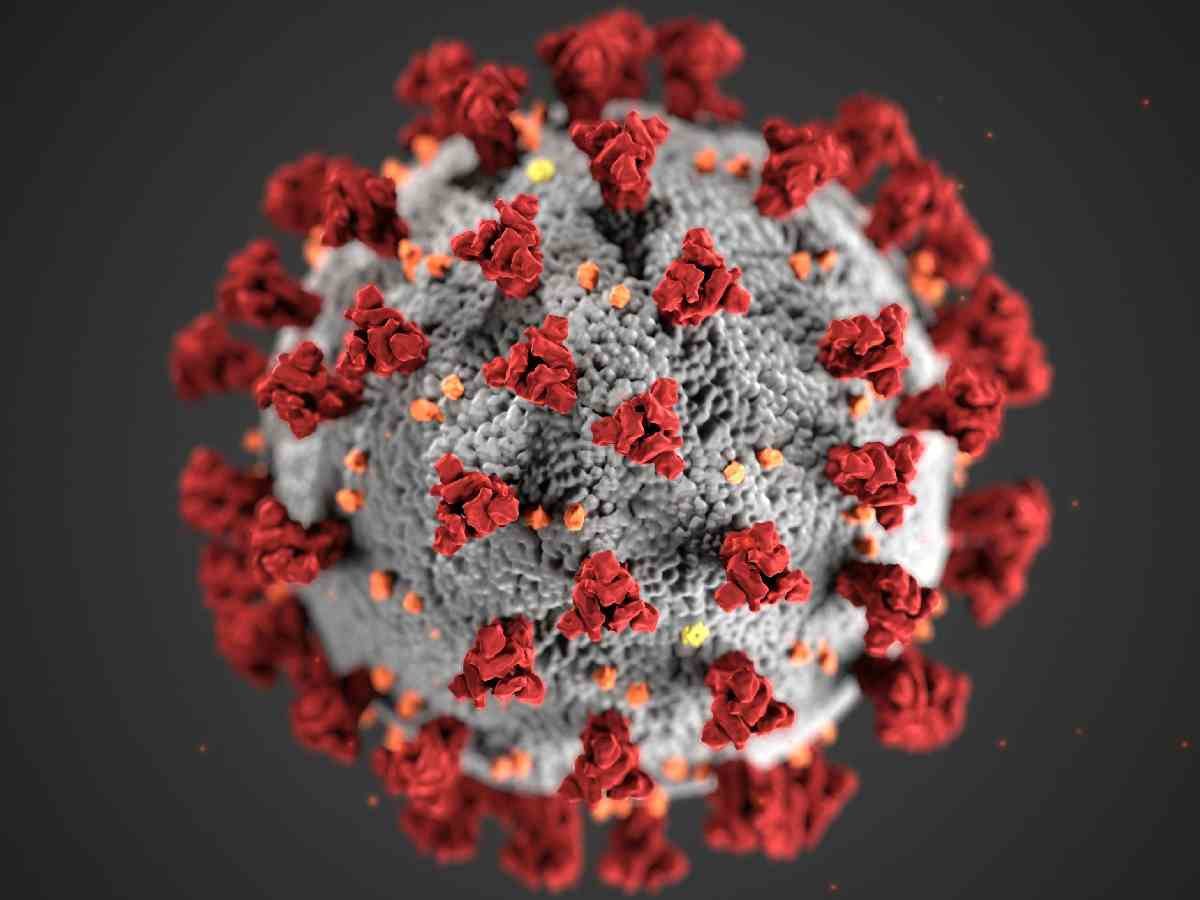
As Delhi sees a fresh surge in Covid-19 cases, with 104 active infections reported, concerns are mounting. After months of low caseloads, the uptick has revived memories of previous waves, leading to public anxiety. Unverified information and social media speculation have added to the confusion. Though current cases are reportedly mild, with no significant rise in hospital admissions, health authorities remain alert.
Professor Dr M Wali, senior consultant at Sir Ganga Ram Hospital, spoke to Patriot to clarify the situation.
Excerpts:
What are the primary factors contributing to the recent resurgence of Covid-19 in Delhi? How does this compare in scale and severity to previous waves?
This is not a wave, but a resurgence, largely due to enhanced testing and surveillance. For a time, influenza-like illnesses weren’t tested thoroughly. However, with rising cases in countries like China, Singapore, and Hong Kong, testing for symptomatic patients increased. The variant currently circulating is JN.1, identified in August 2023.
Can you elaborate on the nature of this variant and whether it poses a serious threat?
JN.1 is a sub-lineage of Omicron. We’ve also found sub-variants like LF.7, LB.1.8, and a recombinant strain, XEC. These are more transmissible but less severe. The current mortality rate is about 0.02%. Most cases involve mild symptoms like fever, headache, muscle pain, nausea, and occasionally diarrhoea. This variant includes gastrointestinal symptoms in addition to typical flu-like signs.
Also read: Obesity among Delhi students 5 times higher in private schools: AIIMS
Should the public be concerned about the spread of this new strain?
Not concerned, but vigilant. There’s no cause for panic. Governments are being proactive. People should follow Covid-appropriate behaviour — masks, hand hygiene, and avoiding large gatherings. Most fatalities have been among patients with existing health conditions like diabetes, hypertension, or organ transplants. High-risk groups — the elderly, infants, immunocompromised, and pregnant women — must take extra precautions.
Have there been any noticeable changes in the clinical symptoms presented by patients this time?
Symptoms remain mild overall. However, abdominal issues like vomiting, diarrhoea, and nausea are more common alongside respiratory signs. Hospitalisations and ICU admissions remain rare.
Are Delhi’s hospitals and health infrastructure prepared to handle a potential surge?
Yes, Delhi’s hospitals are fully prepared with adequate beds, including paediatric and ICU facilities. Oxygen supply is stable, and healthcare staff are well-trained. Awareness campaigns through RWAs ensure both institutional and community-level readiness.
What is the current status of testing and surveillance in Delhi? Are we doing enough to detect new cases early?
Testing has increased as a precaution. All symptomatic individuals are being tested. Our disease surveillance programme is active, with regular updates from ICMR and the health ministry. Early case detection reflects our alertness.
How effective are the current vaccines and booster doses against these newer sub-variants? Are any changes to vaccination strategy being considered?
Over 86% of India’s population is vaccinated, providing strong cellular immunity. No specific vaccine exists for JN.1, and no booster is currently recommended. If needed, variant-specific vaccines can be developed, but it’s unnecessary at present.
Do individuals who have already been vaccinated or previously infected need a booster at this stage?
No. Existing vaccines offer adequate protection. Booster doses without medical advice are not recommended, especially since no variant-specific booster is available.
With cases rising, do you recommend reinstating mask mandates and distancing in schools, workplaces, and public areas?
Yes. Covid-appropriate behaviour is essential. While mandates may not be enforced, individual responsibility is key — especially when travelling to or from countries like China, Singapore, and Thailand. Passengers should wear masks throughout flights and avoid crowded places unless necessary.
Which sections of the population are most at risk, and what precautions should they take?
High-risk groups include the elderly, young children, pregnant women, immunocompromised individuals, and those undergoing treatments like chemotherapy or organ transplants. They should avoid crowds, wear masks, and maintain hand hygiene. Family members should be cautious not to bring infection home.
Also read: Delhi CM Rekha Gupta inaugurates three units at LNJP Hospital
With pandemic fatigue still prevalent, how can the public be encouraged to stay cautious without causing unnecessary panic? What is your most important advice to citizens right now?
This is where responsible media plays a role — and you are doing it well. We must promote vigilance, not fear. People should monitor symptoms, seek timely medical advice, and follow public health guidelines calmly. The key word is “vigilance” — not panic. We now have experience, infrastructure, and awareness. Let’s use them wisely.
At least 50 cases have already been reported this month; NCPCR guidelines mandate help desks,…
DMRC says zero reduction in train trips, attributes decline to security measures and public apprehension…
A Delhi court denied bail to a former DU professor accused of raping a student,…
Delhi Police charged seven dhaba workers in the fatal beating of a Manipuri musician who…
Seven Delhi STPs failed DPCC standards in September, dumping high levels of faecal coliform and…
AISA chief Neha Bora petitioned the Delhi HC against a police notice requiring a peace…
