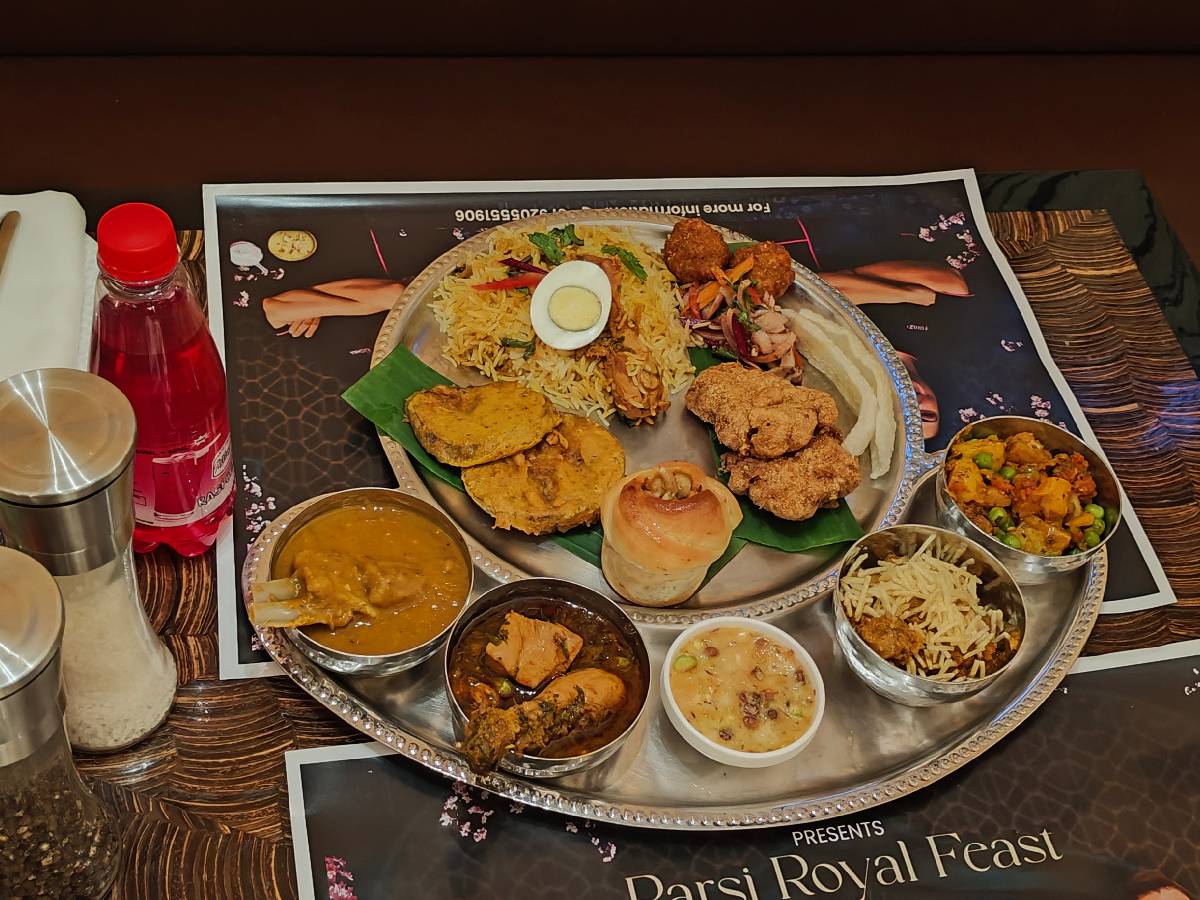
At Radisson Blu Marina in Connaught Place, the clink of cutlery this week carries a note of nostalgia. Since August 29, the hotel has been hosting the Parsi Royal Feast, a festival that runs till September 2 and offers Delhiites a rare chance to savour a cuisine that is vibrant, distinct, and seldom available in the Capital.
For the hotel, the idea was simple: give the city something it doesn’t often get. “Parsi cuisine is a beautiful expression of heritage, community and warmth. With the Parsi Royal Feast, we’re bringing those flavours to the heart of Delhi—an invitation to discover a culinary tradition that’s rarely seen here,” said Sudhanshu Yadav, General Manager, Radisson Blu Marina.
More than a culinary showcase
The festival introduces Parsi food in its truest form—hearty, home-style dishes meant for sharing. Leading the charge are two chefs from Surat, Firozi Karanjia and Rashna Morena, who see the event as more than a kitchen assignment. For them, it is about identity, storytelling, and the joy of placing their food before new audiences.
“Parsi cuisine is not just food—it’s a poetic celebration of our heritage, narrated dish by dish,” said Firozi, watching trays of Chicken Farcha leave the pass. She added that for her, the festival is a revival of a cuisine often overlooked, and noted, “Very few people know about us, and what better way to introduce them than through our food?”
From banker to chef
Firozi’s presence in a hotel kitchen is, in some ways, unexpected. Like many in her community, she once pursued what she calls the “standard Parsi professions”.
“Banking is almost a default. Nearly half of us end up in banks, at good positions,” she said. “We also go into engineering, medicine, corporate jobs. I did that too—I was with Citibank and Standard Chartered, then with an HR company as a manager. I even taught commerce students for a while. But this is my real passion. Cooking was always there.”
That passion was nurtured at home. She recalled constantly experimenting—fusing Parsi flavours with Punjabi and other cuisines. “Cooking for people outside the community actually brings me back to my roots. It reminds me who I am.”
From homemaker to restaurateur
Her colleague Rashna Morena took a different route to the same kitchen. A homemaker until 2016, she transformed her reputation for elaborate family feasts into a cloud kitchen in Surat.
“Parsi cuisine comes from the heart—it’s my culture, my identity,” she said. “Most of my clients aren’t Parsi, yet they love it. That tells me our food speaks beyond community.”
What Delhiites are tasting
The menu at the Marina has been built to showcase range and balance. Diners have been tucking into Mutton Pulao with Dhansak Dal, crisp-fried Chicken Farcha, banana leaf-wrapped Patra Ni Macchi, Sondhiya Masala Prawns, and Jardalu ma Gosh, where slow-cooked mutton is lifted by apricots.
There is also Salli Chicken crowned with potato straws, Bhaji Dana ma Gosh cooked with seasonal greens, and vegetarian specialities that show Parsi cuisine isn’t only about meat.
The food is generous and deeply comforting—spiced with intent, never overwhelming. “Our flavours hinge on a delicate trinity—sweet, spicy and tangy,” said Firozi. “Delhiites are food lovers; I’m sure they’ll embrace that balance.”
Delhi debut
Both chefs have taken Parsi food to Kochi, Bengaluru, Ahmedabad, and Surat—yet Delhi is a first. The capital’s appetite, they believe, is right for discovery.
For Firozi, the festival also closes a personal loop. “I tried several professions,” she said, “but this is where I belong. Food, for me, isn’t just cooking—it’s keeping something alive.”
More than food on the table
The Parsi Royal Feast has been curated as an experience, not just a buffet. The dining room carries subtle nods to Parsi aesthetics; staff share backstories; and the chefs step out to walk guests through recipes—why fish is steamed in banana leaf, how apricot sharpens a gravy, what crisp salli do for texture.
“When people eat Patra Ni Macchi here, I want them to know why we cook it that way—not just enjoy the flavour,” said Rashna. These small gestures change the pace of dining; people pause, listen, taste again.
A rare opportunity in Delhi
Parsi food festivals are rare in the capital. While Mumbai still has its Irani cafés, Delhi mostly encounters the cuisine in passing. That scarcity lends this week’s feast a sense of urgency. Guests lean into unfamiliar names and find the flavours approachable, layered, and—often—comforting.
One diner, finishing a bowl of Dhansak, summed it up: “Comforting but new—a taste you didn’t know you were missing.”
For the hotel, that is the point. As Yadav put it, the idea is to widen the city’s palate without turning the event into spectacle. “We want to create experiences that feel genuine, not staged. If people leave with a story and a flavour they remember, we’ve done our job.”
Stories on a plate
What sets this festival apart isn’t only what is on the plate. It is the sense of welcome at the table. Portions are generous, flavours linger, and conversation is part of the service.
In the hands of two chefs who arrived here from very different lives—a banker with a love for fusion cooking, a homemaker who turned her kitchen into a vocation—the food becomes both introduction and invitation.
At least 50 cases have already been reported this month; NCPCR guidelines mandate help desks,…
DMRC says zero reduction in train trips, attributes decline to security measures and public apprehension…
A Delhi court denied bail to a former DU professor accused of raping a student,…
Delhi Police charged seven dhaba workers in the fatal beating of a Manipuri musician who…
Seven Delhi STPs failed DPCC standards in September, dumping high levels of faecal coliform and…
AISA chief Neha Bora petitioned the Delhi HC against a police notice requiring a peace…

