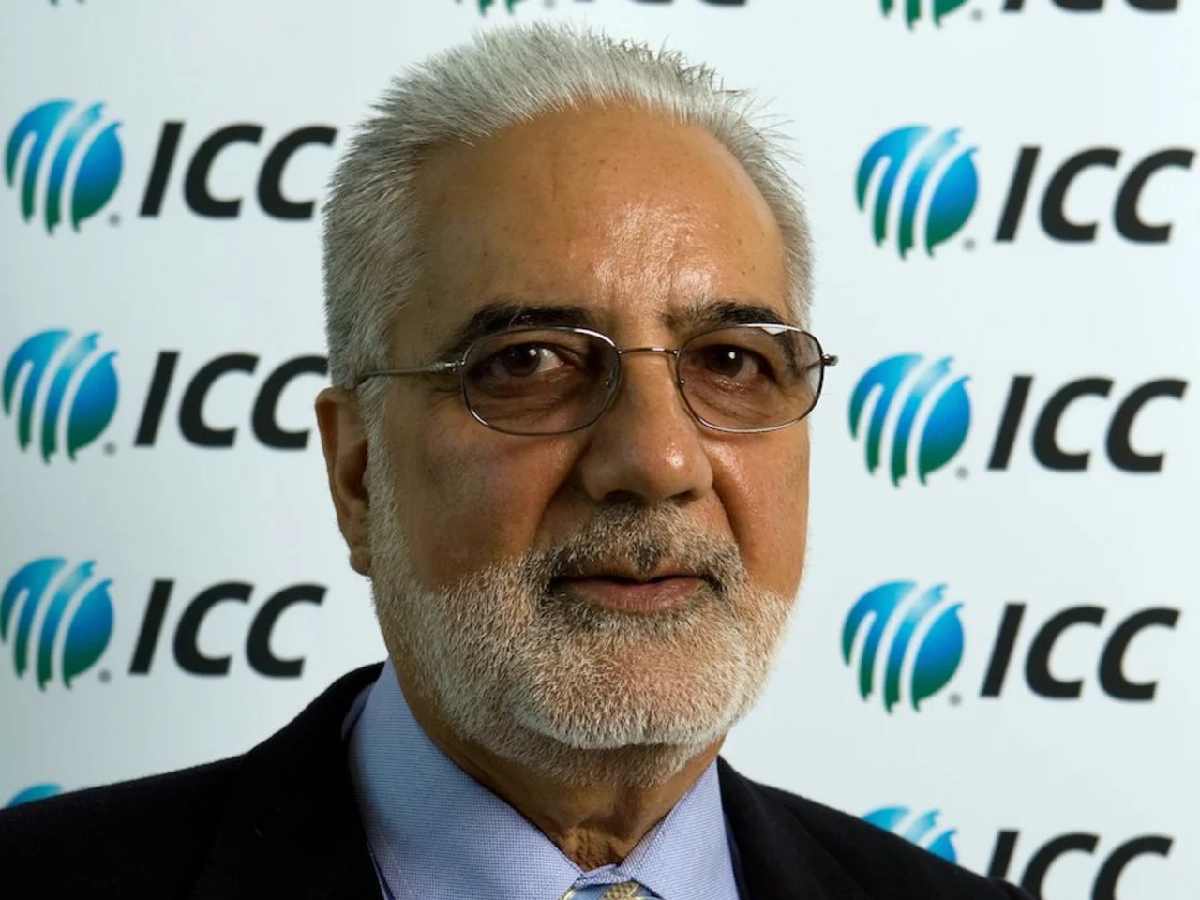
Inderjit Singh Bindra
Inderjit Singh Bindra, a former president of the Board of Control for Cricket in India (BCCI) who passed away at 84 on January 25 in New Delhi, was a visionary with a modern outlook. A passionate cricket follower, he never minced words — a habit that at times landed him in controversy. This bluntness once cost him dearly. He was barred by the BCCI for two years (2001–03) for his comments on the 2000 Hansie Cronje match-fixing scandal and was prohibited from attending meetings during that period. Bindra, however, sportingly accepted the ban before returning to the fold.
Besides serving as president of the BCCI (1993–96) and the Punjab Cricket Association (PCA) for an extraordinary 36 years (1978–2014), Bindra was Special Secretary to the President of India, Giani Zail Singh, and later a Principal Advisor to International Cricket Council president Sharad Pawar in the mid-2000s. One of his biggest achievements was bringing the 1987 World Cup to India and Pakistan, along with NKP Salve and Jagmohan Dalmiya — the first time the tournament was held outside England after the first three editions.
Bindra’s association with the Table Tennis Federation of India (TTFI) — he served as its president from 1984 to 1988 and later as an advisor — is less frequently mentioned. During his tenure, the TTFI hosted the 1987 World Championships in New Delhi. He retired from the Punjab government in 2001 as a senior Indian Administrative Service officer, having served as Secretary for Sports and Industries.
Former BCCI secretary and Saurashtra Cricket Association president Niranjan Shah was among Bindra’s closest associates. “Earlier, we were in different groups in the BCCI, but we came together later. He was a very good and able administrator and built fantastic infrastructure in Mohali,” said the 81-year-old Shah, the senior-most BCCI administrator alive, when Patriot informed him of Bindra’s passing.
The Bindra–Shah–Lalit Modi trio later played a key role in convincing BCCI president Sharad Pawar to launch the IPL in 2008. On January 26, Lalit Modi tweeted: “To me, he was a mentor, a brother, and a steady hand in a world of noise. I am still so deeply humbled that when I first stepped onto the field, he saw something in me worth guiding.”
Trusted lieutenant
Bindra was introduced to cricket administration by Mohinder Pratap Pandove, a former Punjab cricketer and civil services officer, in 1976. He became PCA vice-president from the Patiala region, which was dominated by Pandove, now 80.
“At the 1978 elections, I asked Bindra to contest for the PCA president’s post while I became joint secretary — and later its secretary,” Pandove told this reporter. In 1981, Pandove became PCA secretary and held the position until 2017, when he had to leave after the Supreme Court accepted the Lodha Committee’s recommendations on cricket reforms.
Bindra and Pandove formed a formidable partnership, with the PCA being run in a highly professional manner for decades. It was during their tenure that the world-class Mohali stadium — Bindra’s brainchild — was built in the early 1990s.
“The present site of the Mohali stadium was originally earmarked for a velodrome for the 1989 National Games, as it was a low-lying area. When the Games were cancelled, we requested the authorities to allot the land for a cricket stadium, while the velodrome was shifted to Ludhiana,” Pandove recalled.
Comrade-in-arms
Former Bihar Ranji Trophy captain-wicketkeeper Daljit Singh, whom Bindra handpicked to oversee the pitch and ground at the Mohali stadium, described him as a “visionary”.
“I was working with an NGO in Bangalore when, in 1992, he invited me to lunch during a BCCI meeting and said, ‘Bahut ho gaya (enough is enough). Now come to Mohali and help make it the best stadium in the world.’ He was immensely proud of the Mohali stadium,” Daljit told Patriot.
“Bindra didn’t rest until the job at hand was finished. He ensured everyone received their due,” he said.
Mohali soon became known for its fast pitch. In the very first Test it hosted in 1994, Manoj Prabhakar, who had scored a century in the first innings, was struck by a rising delivery from West Indies fast bowler Courtney Walsh, suffered heavy bleeding, and broke his nose. The idea of a pace-friendly surface that also aided visiting teams, however, did not go down well with everyone.
In later years, the Mohali stadium was renamed in Bindra’s honour — a fitting tribute to an administrator who reshaped Indian sport across disciplines.
DMRC says zero reduction in train trips, attributes decline to security measures and public apprehension…
A Delhi court denied bail to a former DU professor accused of raping a student,…
Delhi Police charged seven dhaba workers in the fatal beating of a Manipuri musician who…
Seven Delhi STPs failed DPCC standards in September, dumping high levels of faecal coliform and…
AISA chief Neha Bora petitioned the Delhi HC against a police notice requiring a peace…
Average AQI of 171 in the first week of this month; falling temperatures and stubble…
