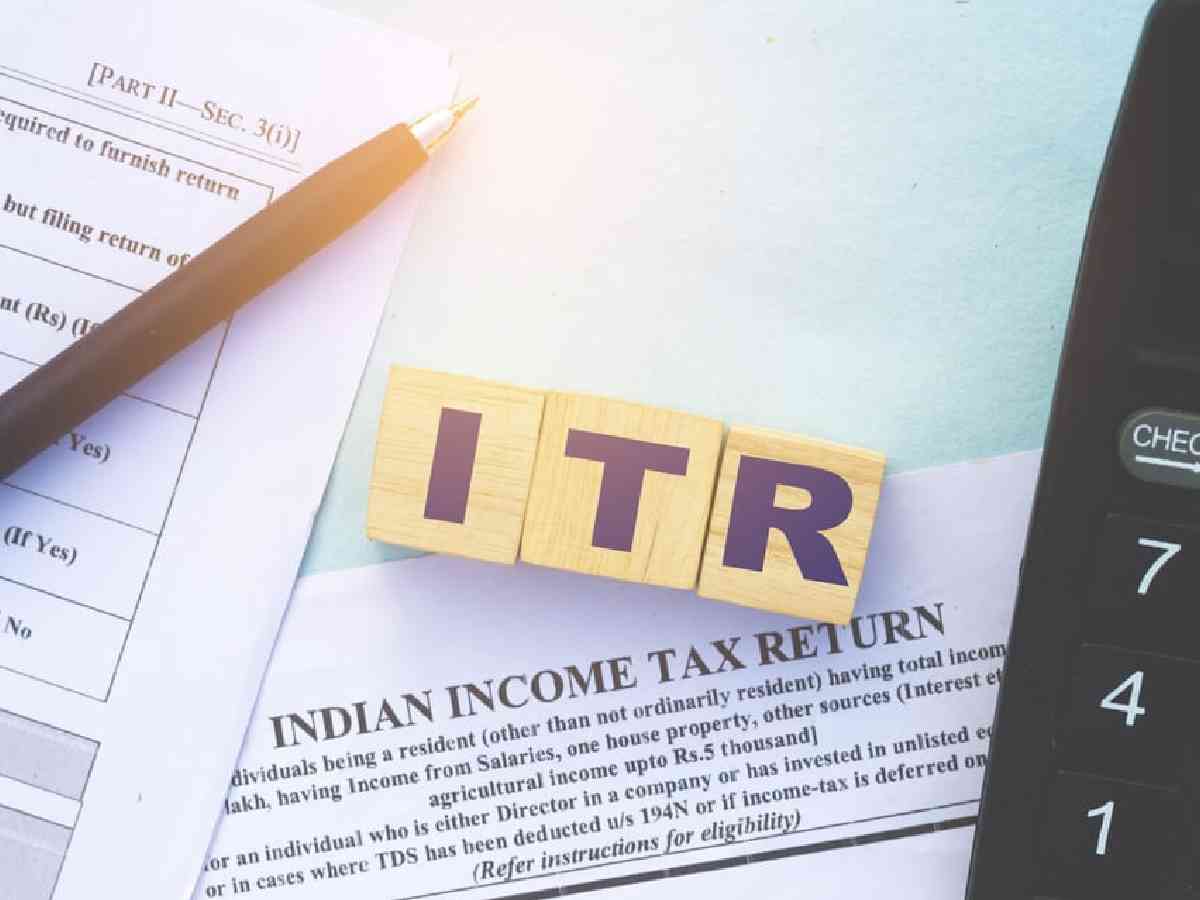
ITR filing deadline: A belated Income Tax Return (ITR) is submitted when an individual fails to file their return by the original due date. For the financial year 2023-24, the original deadline to file ITR was July 31, 2024. To accommodate taxpayers who missed this date, the Central Board of Direct Taxes (CBDT) has extended the deadline for belated and revised returns to January 15, 2025, giving an additional 15 days from the earlier cut-off of December 31, 2024.
Revised returns, which allow taxpayers to correct errors in previously filed ITRs, can only be submitted if the original return was filed on or before the July 31 deadline. This flexibility ensures accuracy but must adhere to specific limitations under tax laws.
Also read: Delhi’s gig workers, security guards, police personnel battle the winter chill
Penalties for Filing a Belated Return
Filing a belated ITR comes with penalties based on the taxpayer’s income. Individuals with an income up to Rs 5 lakh will incur a late fee of Rs 1,000, while those earning above Rs 5 lakh will face a penalty of Rs 5,000. Moreover, if there is an outstanding tax liability, interest under Section 234A is charged at 1% per month or part thereof from July 31, 2024, until the return is filed.
Consequences of Missing the Final Deadline
Failure to submit the ITR by the January 15, 2025 deadline can lead to severe repercussions. Taxpayers will lose the ability to file or revise their returns for the assessment year 2024-25. Additionally, non-compliance could attract notices and penalties from the Income Tax Department, with the potential for undisclosed income being flagged from third-party sources. Filing after the original deadline also forfeits the benefit of carrying forward losses for offsetting future tax obligations.
Also read: Jangpura Assembly constituency: A study in contrasts
Key Filing Guidelines
To ensure a smooth filing process, taxpayers are encouraged to use the Income Tax Department’s e-filing portal. Verifying details such as income, deductions, and tax payments is crucial to avoid errors. Any outstanding liabilities, including interest and penalties, should be settled before submission to prevent further complications.
By understanding these deadlines, penalties, and filing processes, taxpayers can avoid unnecessary legal and financial troubles while complying with tax regulations.
Elected to the Delhi Golf Club general committee, Mansher Singh says he wants to build…
A $780 million market built on pavements, where the pleasure of reading meets the price…
Supreme Court advocate Abhishek Pawar alleges women were denied washroom access for seven to eight…
Each day of closure costs shops in Khan Market and Connaught Place between Rs 60,000…
Delhi generates nearly 15,000 tonnes of waste daily, prompting the government to deploy 1,000 mechanical…
Delhi Police has issued an NOC for the Congress rally at Ramlila Maidan on November…
