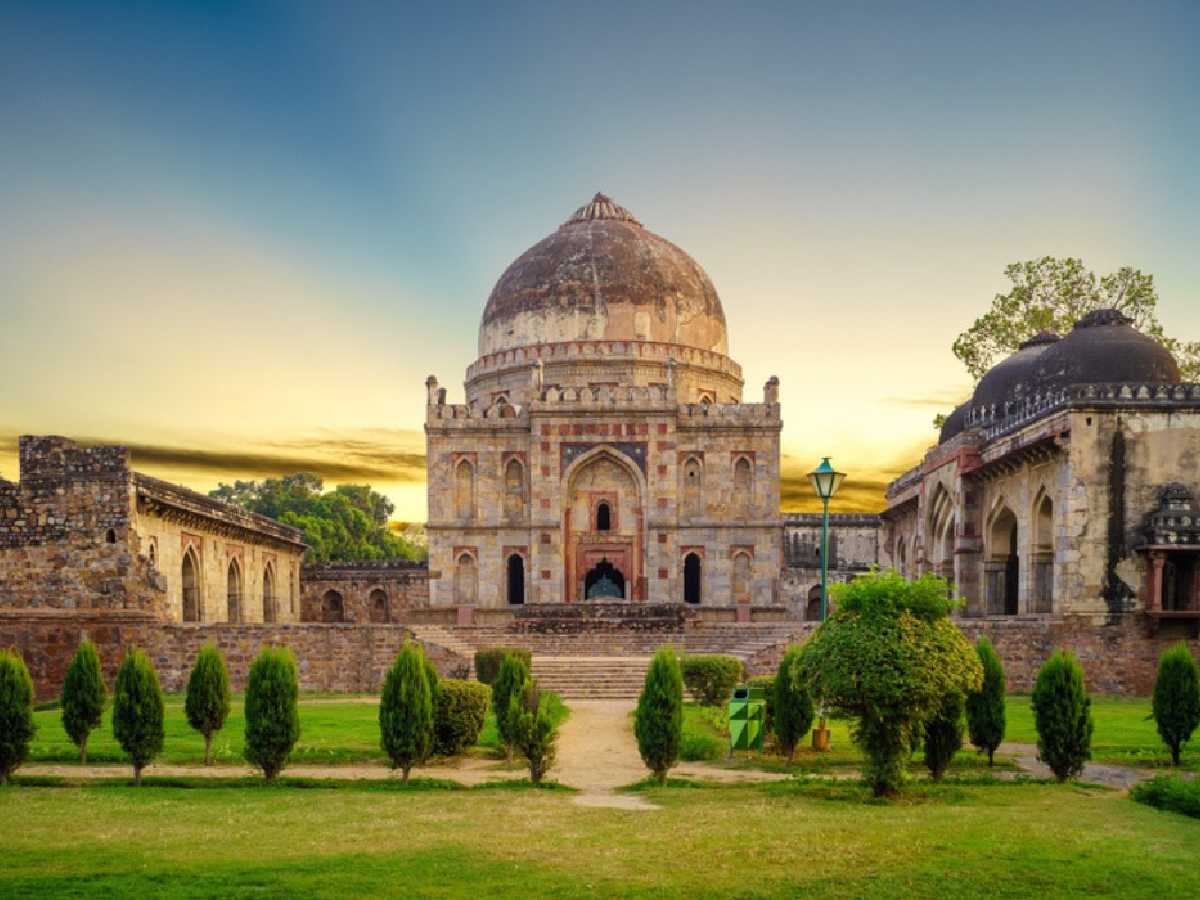
Lodhi Garden
In the heart of Delhi’s concrete jungle, where the urban grind rarely slows, World Environment Day (June 5) calls us to pause and reconnect with nature. While the capital battles pollution and shrinking green spaces, resilient pockets of wilderness thrive – offering both refuge and hope.
These aren’t just parks, but living classrooms where peacocks strut beside medieval ruins, where wastelands have been reborn as biodiversity hotspots, and where even scrap metal transforms into wonders. They remind us that nature persists, adapts, and welcomes us back – we just need to seek it out.
From forgotten forests to revived wetlands, Patriot brings six places where Delhi-NCR reveals its greener soul. Each offers a unique invitation: to wander, wonder, and witness how ecological revival begins with simple acts of noticing.
Sanjay Van
Delhi’s underrated urban wilderness
Nestled between Mehrauli and Vasant Kunj, Sanjay Van is a 700-acre stretch of semi-arid forest that belongs to the Aravalli range. Unlike manicured parks, this is a raw and rugged forest experience. The area has been partially rewilded over the years, with community efforts to clean the forest and control illegal encroachments. Here, one can spot peacocks, nilgai, and a wide variety of birds. The area is also home to medieval ruins, making it a perfect blend of ecology and history.
Don’t miss: Sunrise birdwatching walks and quiet meditation spots near the water body.
Aravalli Biodiversity Park
From wasteland to wildlife haven
Once a degraded mining site, this park in Gurugram is now a flourishing biodiversity zone thanks to the work of naturalists and volunteers. The park boasts native Aravalli vegetation, herbal gardens, butterfly zones, and a restored water recharge system that supports local flora and fauna. It’s an example of how citizen science can shape urban ecosystems.
Why visit? To witness the power of ecological revival and enjoy peaceful morning nature trails.
Lodhi Garden
History wrapped in greenery
Located in the heart of Delhi, Lodhi Garden is a blend of heritage architecture and lush landscaping. The 90-acre park is dotted with 15th-century tombs of the Sayyid and Lodhi dynasties, lotus ponds, and dense tree canopies. It’s not just a recreational spot but also a nesting ground for many bird species.
Why it matters: Combines heritage preservation with environmental stewardship; a fine example of urban green planning.
Yamuna Biodiversity Park
Delhi’s climate buffer
Spread over 457 acres, this park has been developed to restore the Yamuna floodplains and serves as a crucial buffer against pollution and climate stress. Divided into wetlands, grasslands, and medicinal plant zones, it also hosts educational trails that explain the city’s river ecology. It’s a favourite among ecology students and naturalists.
Also Read: Top chefs in Delhi-NCR share their favourite summer cooler recipes
Highlight: A living model of land restoration and a critical habitat for migratory birds.
Asola Bhatti Wildlife Sanctuary
Delhi’s own green frontier
Bordering Haryana and flanked by the Aravalli hills, Asola Bhatti is a 32 sq km wildlife corridor within city limits. It has earned attention for its population of blackbucks, porcupines, civets, and hundreds of bird species. With forest guides, one can trek or take curated eco-walks.
Why go? To understand the role of wildlife corridors in urban biodiversity and enjoy the capital’s wilder side.
Waste to Wonder Park
Recycling with a creative twist
This park is an imaginative interpretation of sustainability, featuring replicas of the Seven Wonders made entirely from automobile scrap and industrial waste. It’s an excellent example of how art and sustainability can come together to raise awareness. Families and kids especially enjoy its aesthetic appeal and photo-worthy structures.
Unique aspect: Turns waste into awareness; promotes circular economy ideas through public art.
In a city where the ecological narrative often feels grim, these spaces are quiet victories—reminders that green change is not only possible but already happening around us.
Delhi HC will rule Oct 23 on AISA chief Neha Bora’s plea against a police…
A CREA analysis shows Delhi's winter AQI has seen no steady gain since 2022, with…
DMRC will plant over 28,000 saplings across 991 MCD parks in 3 months to offset…
Delhi HC quashed an FIR against an SSC aspirant, ruling mere presence at a protest…
CJP leaders Saurav Das and Ashutosh Ranka sought more time to join the Delhi Police…
Delhi Police held 3 more people, including a couple using a minor to sell heroin…
