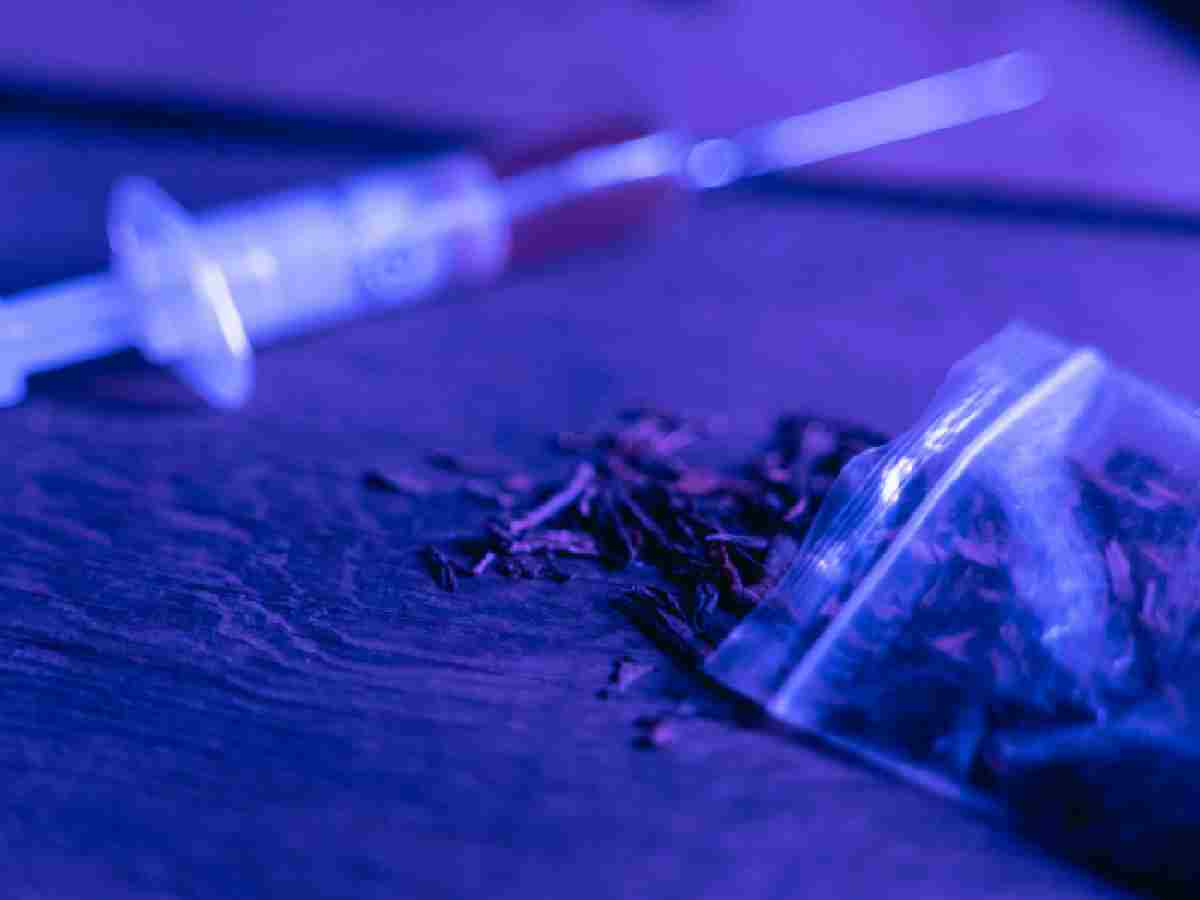
Delhi’s illicit substances market has seen the entry of a new and highly concerning drug — mephedrone, colloquially known as “meow meow.” Among the latest synthetic stimulants, it has rapidly emerged as a major draw at rave parties, with effects similar to cocaine, methamphetamine, and amphetamines.
Initially marketed online as a “legal” alternative to drugs such as speed, ecstasy, and cocaine, dealers sold it disguised as plant food or bath salts, with disclaimers that it was “not for human consumption” to circumvent restrictions.
Government and enforcement response
According to a reply to an unstarred question by Congress MP Rahul Kaswan in the Lok Sabha, during the 2024–25 period, the Narcotics Control Bureau (NCB) dismantled two clandestine laboratories producing mephedrone in Rajasthan’s Sirohi and Barmer districts. The Ministry of Home Affairs stated that the NCB had seized 74.08 kg of the drug and arrested five individuals in connection with the operations. The Barmer laboratory was dismantled in a joint raid by the NCB and Barmer Police.
Also Read: Delhi Crime: Crystal meth’s rise fuels alarm in city
The reply also noted that in September 2024, the Directorate of Revenue Intelligence (DRI) busted another mephedrone unit in Barmer, arresting one person. In addition, a separate operation in Sri Ganganagar district led to the seizure of five kg of the drug.
On July 8, NCB Jodhpur dismantled a clandestine laboratory set up in a Sri Ganganagar flat. Officials seized around 780 grams of mephedrone (also referred to as MD) and recovered precursor chemicals including acetone, benzene, sodium hydrogen carbonate, bromine, methylamine, isopropyl alcohol, 4-methyl propiophenone, and N-methyl-2-pyrrolidone. Equipment for synthetic drug production was also found.
Two men, both teachers from Sri Ganganagar — one a 35-year-old chemistry teacher at a private school, the other a 25-year-old science teacher at a government school — were arrested. They had rented the flat two months earlier and sourced chemicals and equipment from Delhi.
The NCB has since circulated “red flag indicators” to State Police Directors General to help identify such facilities.
Health risks of mephedrone
Mephedrone, also known as meph, M-CAT or miaow, belongs to the cathinone family and is closely related to amphetamines such as speed and ecstasy. It typically appears as a white, off-white or yellowish powder.
The drug’s effects vary between users, making its impact unpredictable. Reported effects include heart palpitations, insomnia, short-term memory loss, vertigo, teeth grinding, sweating, blurred vision, and muscle tension in the face and jaw. It may also cause paranoia, anxiety, vomiting, headaches, hallucinations, and seizures. By raising blood pressure, it increases the risk of strokes and heart attacks.
The “come down” phase is particularly harsh, with studies suggesting a heightened risk of suicide. After-effects include low mood, dizziness, fatigue, and mood swings. Regular use can lead to psychological dependence, with cravings and escalating doses.
Research shows mephedrone is, on average, only 50% pure, often adulterated with substances such as caffeine, monosodium glutamate, or benzocaine.
Delhi seizures and trafficking patterns
Although few manufacturing units exist in the national capital, the drug is being transported into Delhi from Rajasthan and neighbouring states.
A senior police official noted: “There have been almost no presence of factories or manufacturing unit for mephedrone or MD manufacture. The seizures that have been made were mostly from consumers and peddlers. Even in the 2024 drug bust, the massive seizure had also been made on peddlers and couriers.”
In February, a joint Delhi-Pune police operation seized over 1,600 kg of mephedrone worth more than Rs 2,500 crore. Pune Police recovered 700 kg and arrested three people, leading to follow-up raids in Delhi. Authorities found 300 kg at Kotla Mubarakpur and 600 kg at a shop in Hauz Khas’ Masjid Moth. Two additional arrests were made. The drugs, traced to Pune’s Kurkumbh MIDC, had been stored in Delhi godowns.
At the time, the price of the drug soared from Rs 900 to Rs 20,000 per gram due to demand, though it has since stabilised at around Rs 5,000 per gram as availability has increased.
Rave culture and rising demand
Officials say the popularity of mephedrone is tied to a growing rave culture in Delhi. One senior officer remarked that the normalisation of psychedelic substances at such parties has fuelled demand among younger consumers.
“Rave parties and the normalisation of psychedelic substances has led to an increase of these substances being found among younger consumers. Although marijuana finds a much more sustainable and consistent market, with even OG kush (cannabis) finding a way in the market, mephedrone is claiming its position in the market, especially due to it being cheaper than cocaine, but better quality than crystal meth,” he said.
Five arrested, including bouncers, after a man was brutally thrashed to death at a Delhi…
MCD rolled out 12 multi-purpose anti-smog vehicles to suppress dust, wash roads, and tackle rising…
NSUI staged a dharna outside CP police station, alleging Delhi Police assaulted and detained women…
Delhi HC will hear a PIL on Oct 16 seeking to allow peaceful protests at…
DU has approved a ₹5,889 crore plan to build and reconstruct hostels, creating residential accommodation…
Delhi LG said the capital’s development priorities are interconnected, stressing that PPPs must be chosen…
