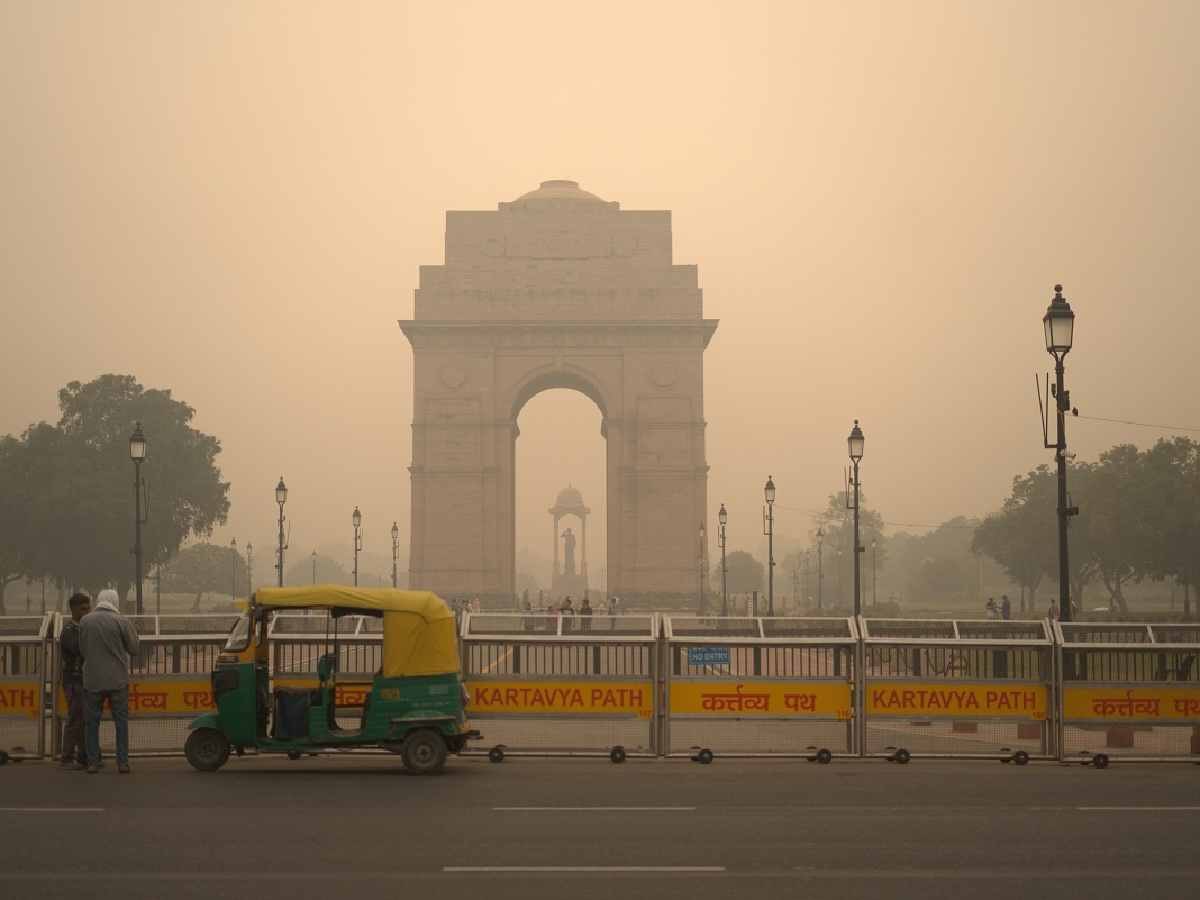
Delhi Pollution: The days following Diwali have once again brought a sharp decline in Delhi-NCR’s air quality, with hospitals reporting a noticeable surge in respiratory and pregnancy-related complications.
Doctors across the region have attributed this spike to the combined effects of air and noise pollution caused by the widespread bursting of firecrackers, particularly during late-night hours.
According to pulmonologists and gynaecologists, both outpatient and emergency cases saw a sharp rise between October 20 and 23, as pollution levels soared far beyond permissible limits.
Delhi’s Air Quality Index remained in the “very poor” category in the period.
Also read: From Sarojini Nagar to Yamuna Ghats: Chhath’s journey in Delhi
The sudden exposure to smoke, toxic gases, and fine particulate matter has left the elderly, children, pregnant women, and those with chronic respiratory or cardiac illnesses struggling to cope.
“The post-Diwali smog is particularly dangerous because it comes with a sudden, dense concentration of pollutants. We’ve seen a nearly 30 per cent jump in patients with breathing difficulties, asthma flare-ups, and allergic bronchitis within just two days after Diwali,” said Dr Pulkit Agarwal,Consultant Pulmonologist, SilverStreak Superspeciality Hospital.
Echoing the concern, Dr Mohit Bhardwaj, Consultant Pulmonology, Shalby International Hospital, Gurugram said, “The combination of stagnant winter air and smoke from crackers traps pollutants close to the ground. People with pre-existing conditions must avoid outdoor exposure during peak pollution hours, wear N95 masks, and continue prescribed inhalers or medications without interruption.”
Gynaecologists are equally alarmed about the less visible but serious effects of pollution on maternal and foetal health.
“High levels of particulate matter can cross the placental barrier and interfere with foetal growth and brain development. We have observed an increase in expectant mothers reporting shortness of breath, dizziness, and elevated blood pressure following Diwali festivities,” explained Dr Astha Dayal Director Obstetrics and Gynecology, CK Birla Hospital Gurgaon Robotic and Laparoscopic Surgeon.
Post-Diwali, PM2.5 levels peaked at 675, a four-year high.
Dr Yashica Gudesar Director and unit head Obstetrician and Gynaecology, Max Super Speciality Hospital, Dwarka highlighted that continuous exposure to polluted air during pregnancy could also raise the risk of preterm birth and low birth weight.
“We advise pregnant women to stay indoors when air quality dips, use air purifiers at home, and increase fluid intake to flush out toxins.
Also Read: Delhi: Floods expose cracks in Yamuna rejuvenation projects
“Working women should also ensure the use of air purifiers at home, in their offices, and even in cars to minimize continuous exposure to harmful pollutants,” she said.
Health experts have collectively urged both citizens and authorities to adopt more responsible and sustainable ways of celebrating festivals.
They recommended switching to eco-friendly crackers, organising community firework displays instead of individual ones, and promoting quieter, greener celebrations.
With air quality dipping to “severe” levels across several parts of Delhi-NCR, medical professionals stress that preventive care, public awareness, and responsible celebration are the only ways to break this recurring post-Diwali health emergency.
Elected to the Delhi Golf Club general committee, Mansher Singh says he wants to build…
A $780 million market built on pavements, where the pleasure of reading meets the price…
Supreme Court advocate Abhishek Pawar alleges women were denied washroom access for seven to eight…
Each day of closure costs shops in Khan Market and Connaught Place between Rs 60,000…
Delhi generates nearly 15,000 tonnes of waste daily, prompting the government to deploy 1,000 mechanical…
Delhi Police has issued an NOC for the Congress rally at Ramlila Maidan on November…
