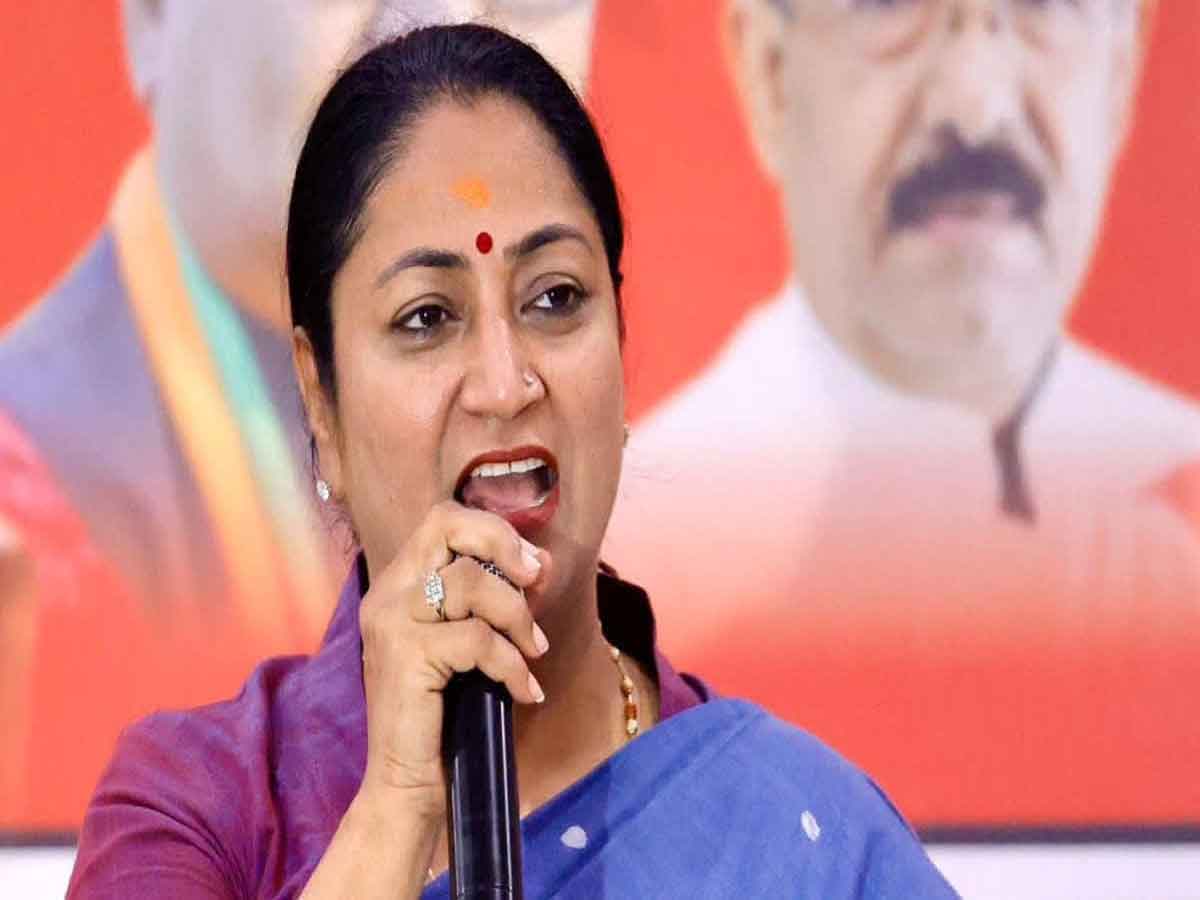
CM Rekha Gupta
All major water treatment plants (WTPs) across the capital will operate at peak capacity during this summer, Chief Minister Rekha Gupta said.
Chairing a meeting to review the city’s water management plan for summer months, Gupta directed Delhi Jal Board (DJB) officials to ensure maximum output at the city’s WTPs.
“Our focus is not limited to immediate relief. We are simultaneously working on long-term solutions to free Delhi from recurring drinking water shortages,” the chief minister said.
According to an official statement, Gupta took stock of the progress of key water-related projects and directed officials to ensure there is no lapse in supply or response during peak demand.
She also directed officials to expedite efforts to augment water supply and swiftly commission the second 50 million gallons per day (MGD) WTP in Dwarka.
“The government has tightened monitoring at every level to maintain smooth and balanced supply. All major water treatment plants, have been directed to operate at peak capacity. Areas facing water shortages have been identified, and targeted arrangements have been put in place to bridge the gap,” she added.
There are nine WTPs in Delhi, including Sonia Vihar, Bhagirathi, Chandrawal, Wazirabad, Haiderpur, Nangloi, Okhla, Bawana and Dwarka, which produce around 900 MGD of water.
Around 135 MGD water is through tubewells, and the number of operational tubewells has been increased from 5,834 to 6,200 under the summer action plan.
“Coordination with Haryana is also being maintained to monitor ammonia levels in raw water, ensuring uninterrupted functioning of treatment plants. Every complaint must be addressed promptly and warned that negligence would invite strict action,” Gupta said.
According to the chief minister, around 1,210 water tankers have been arranged for water-scarce areas, including Sangam Vihar, Matiala, Chhatarpur, Deoli, Tughlakabad, Palam, Bijwasan and Bawana.
“Detailed planning has been completed at the constituency level, including allocation of responsibilities, colony-wise supply schedules, tanker route plans and resource deployment,” she added.
Water demand in the city peaks during summers, and the Delhi government has formulated a summer action plan to tackle this.
The chief minister said in order to enhance water availability, 520 additional tube wells have been installed and 172 km of old pipelines were replaced during the year 2025-26, resulting in improved water supply.
Elected to the Delhi Golf Club general committee, Mansher Singh says he wants to build…
A $780 million market built on pavements, where the pleasure of reading meets the price…
Supreme Court advocate Abhishek Pawar alleges women were denied washroom access for seven to eight…
Each day of closure costs shops in Khan Market and Connaught Place between Rs 60,000…
Delhi generates nearly 15,000 tonnes of waste daily, prompting the government to deploy 1,000 mechanical…
Delhi Police has issued an NOC for the Congress rally at Ramlila Maidan on November…
