Photo: Pixabay
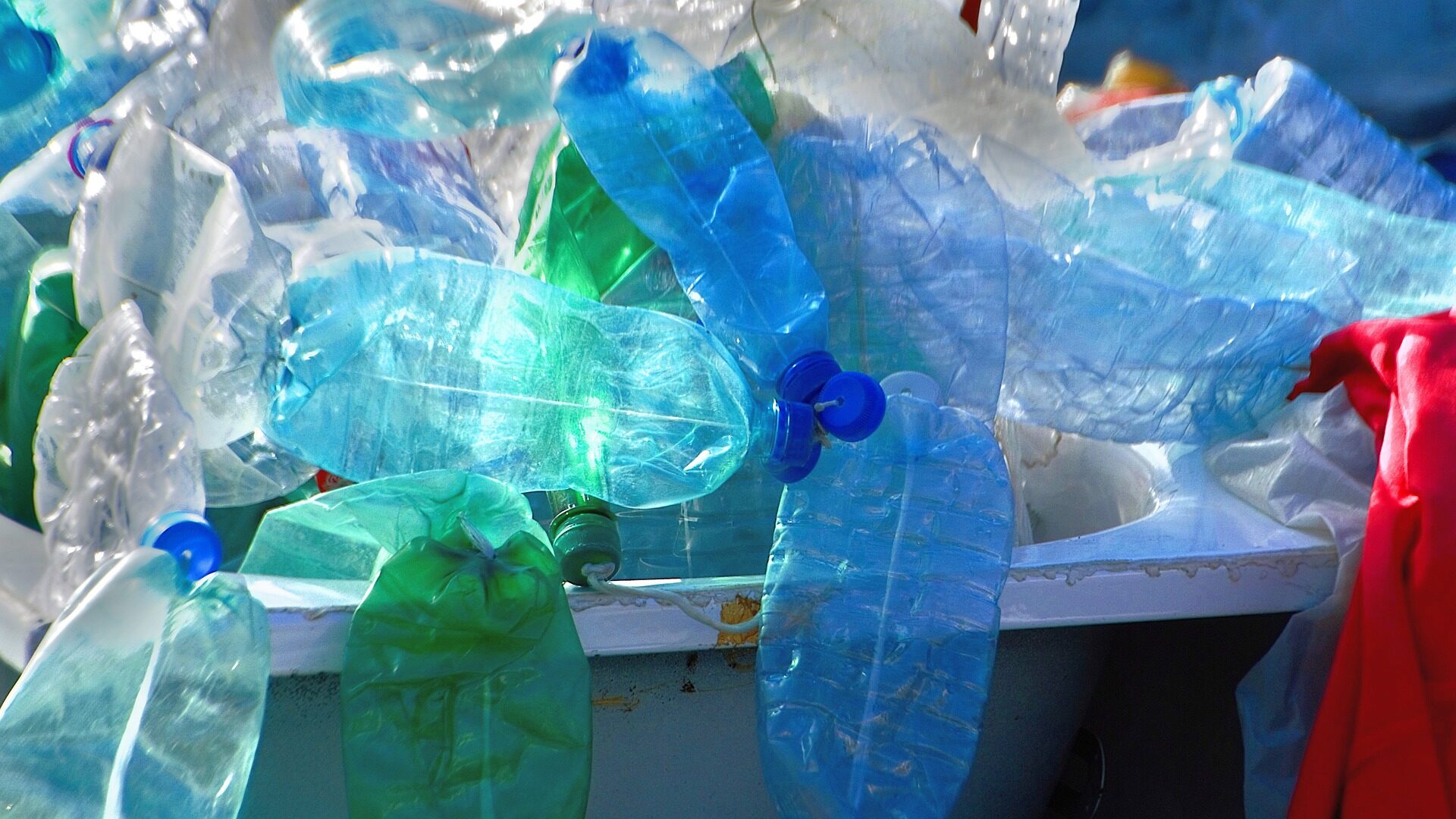
After multiple notifications and failed attempts at implementation in the last decade, the Union government’s ban on single-use plastic kicks in this month. While individuals and households will be charged a spot fine of Rs 500 for use of SUPs, institutional waste generators will be fined Rs 5,000.
As the name suggests, single-use plastic (SUP) items or disposables can only be used once before they are thrown away, discarded or recycled. The Delhi Environment Board has stated it will run a campaign to implement the ban and will “close down all manufacturers, suppliers, stockists, dealers and sellers found violating the orders.”
Ashok Makhija, a supplier of SUPs, has been providing stock to several vendors across Delhi. Speaking about the ban and its impact on business, he says, “The government has suggested some bamboo alternatives to plastic. We too will switch our stock from plastic items to bamboo items.”
What about the stock lying with dealers? Makhija says, “We will have to return the stock lying with us – and whatever shopkeepers return to us – to the manufacturers. They can always recycle, and reuse these items– or so I’m told. It’s going to cause some financial instability, but it’s nothing irreparable.”
The government has provided a list of alternatives for SUPs. These include but are not limited to: broom or bamboo sticks for balloons, flags and earbuds; wooden, bamboo, or steel cutlery, biodegradable material for decoration; steel, ceramic, edible utensils; mud cups for beverages; cloth, jute or paper bags.
Makhija says that manufacturers will be turning to these alternatives sooner than later, and they will also be needing suppliers and sellers for these products. “It’s just a matter of replacing the stock. However, I can’t deny that the degree of financial burden for the businessmen involved is going to vary”, he says.
Groping for options
One such dealer in SUPs based in Kailash Colony, Surinder, is in a pessimistic mood. He points out how this move is detrimental to the livelihoods of several business owners who depend on the sale of plastic items.
“I have been selling nothing but plastic items for several years now. It’s my only source of income”, says Surinder. He has been so active in the plastic products market that his business network comprises no one besides plastic items manufacturers, suppliers and distributors.
“I’m in my fifties now, with a family of five, including two school-going children. This isn’t the age to start anew”, he says.
Surinder points out the lack of structural changes before imposing the ban. “They have been talking about it for so many years, with no proper implementation. And we have continued to sell plastic because they never talked about alternative business routes for us or mentioned the steps they would take for our financial stability. No one’s asking for money, but at least give us time to take care of the stock we already purchased from the suppliers in bulk”, he comments.
In fact, Surinder’s friend, also a seller of SUPs in Jasola Vihar, was unaware of the ban, thus implying its inadequate implementation. Another friend Mustafa Sahel, who used to sell plastic items, has already made arrangements to branch out into other fields. Sahel’s shop in Chhatarpur will pull down the shutters at the end of this month.
Ways and means
Sahel says, “I have returned most of the SUPs stock in my shop to the distributor. Some of the stock remains, but I think I will have to bear that loss. My uncle owns a taxi business, so I am going to join his company as a full-time driver. At least there won’t be any bans on cars”, he quips.
Although the shift in gears wasn’t a major change for Sahel since he was planning to join his uncle’s company for some time now, his decision sheds light on the condition of traders who feel an impending financial crisis staring them in the face.
Makhija also reveals that despite the ban, there will be a few manufacturers, suppliers and sellers who will sell SUPs behind closed doors. “When the nylon manja (kite string) was banned in Delhi, people still sold it and earned a lot during Makar Sankranti and summer vacations. The same is going to happen with SUPs. People have to earn money somehow, and they will find ways to beat the system”, he says.
He adds that the ban does not show any signs of the system being lenient, so the chances of illegal sale of SUPs are very low. Patriot tried calling the manufacturers Makhija buys the stock from, but they were either unavailable or did not want to comment.
For more stories that cover the ongoings of Delhi NCR, follow us on:
Instagram: https://www.instagram.com/thepatriot_in/
Twitter: https://twitter.com/Patriot_Delhi
Facebook: https://www.facebook.com/Thepatriotnewsindia
Two terror attacks, eight years apart, struck ordinary shoppers and changed festive celebrations in the…
NDMC to build a larger tulip garden with parking at Nehru Park, featuring seasonal blooms,…
A 17-year-old student was found burnt at an east Delhi school, with police probing a…
Delhi's temperature fell to 17°C following overnight rain and thunderstorms, with an AQI of 167…
Coforge opened its first library in Noida in February 2024; it now claims a combined…
Of the 237 spa centres across 10 zones with valid MCD licences, the South East…
