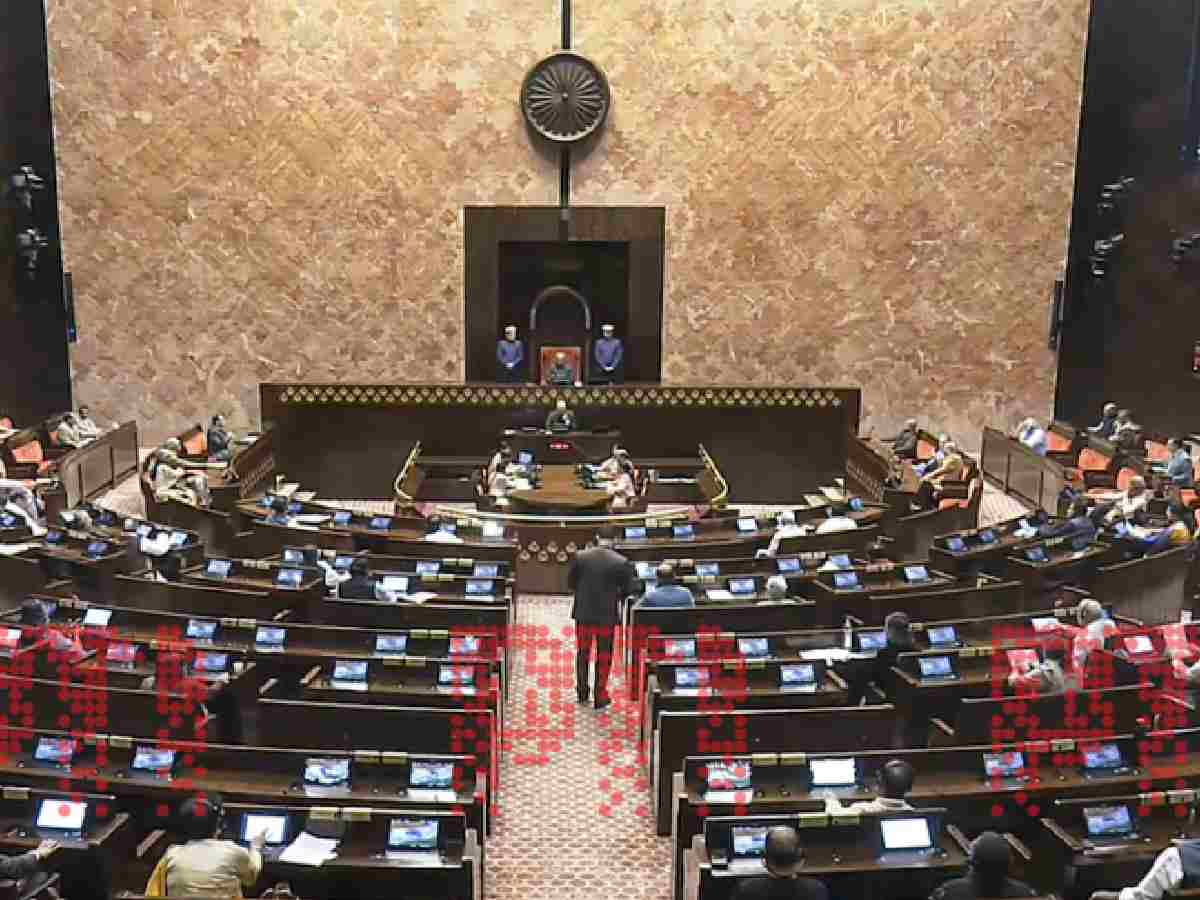
BJD Rajya Sabha member Manas Ranjan Mangaraj on Thursday appealed to the government to relocate Parliament’s Winter and Budget sessions out of Delhi until air quality improves, calling the capital’s annual pollution crisis a “man-made disaster”.
Raising the issue during Zero Hour, Mangaraj, who hails from Odisha, drew parallels between his state’s efficient response to natural calamities and the need for similar urgency in addressing Delhi’s air pollution.
“Coming from Odisha, a state that fights cyclones, floods and natural calamities with unmatched discipline, I know what a crisis looks like. But what troubles me is… Delhi,” he said.
The MP highlighted the daily exposure to toxic air faced by members, parliamentary officers, drivers, sanitation workers, and security personnel who keep the House functioning. “We cannot ignore their suffering. We cannot pretend this is normal,” he said, adding that holding crucial parliamentary sessions during peak pollution months puts lives at risk unnecessarily.
Mangaraj suggested several cities with cleaner air and adequate infrastructure as potential alternatives, including Bhubaneswar, Hyderabad, Gandhinagar, Bengaluru, Goa, and Dehradun.
“If Odisha can evacuate lakhs of people within hours during a cyclone and save lives with precision, then surely the government of India can relocate two sessions of Parliament to protect the health of its own members and staff,” he argued.
Emphasising that his proposal was not politically motivated, Mangaraj said, “This is not about politics. This is about life and dignity. Parliament must show leadership. Parliament must show that the right to live comes before condemnation.”
He urged the government to initiate structured consultations without delay to explore the feasibility of rotating Parliament sessions to cities with better air quality during the winter months.
Also Read: Delhi’s homeless face long nights of toxic air as winter pollution worsens
Delhi’s air quality typically deteriorates sharply between October and January due to a combination of factors, including stubble burning, vehicular emissions, construction dust, and weather conditions that trap pollutants. The winter session, which includes crucial legislative business and the budget session, coincides with the annual peak pollution period.
DMRC says zero reduction in train trips, attributes decline to security measures and public apprehension…
A Delhi court denied bail to a former DU professor accused of raping a student,…
Delhi Police charged seven dhaba workers in the fatal beating of a Manipuri musician who…
Seven Delhi STPs failed DPCC standards in September, dumping high levels of faecal coliform and…
AISA chief Neha Bora petitioned the Delhi HC against a police notice requiring a peace…
Average AQI of 171 in the first week of this month; falling temperatures and stubble…
