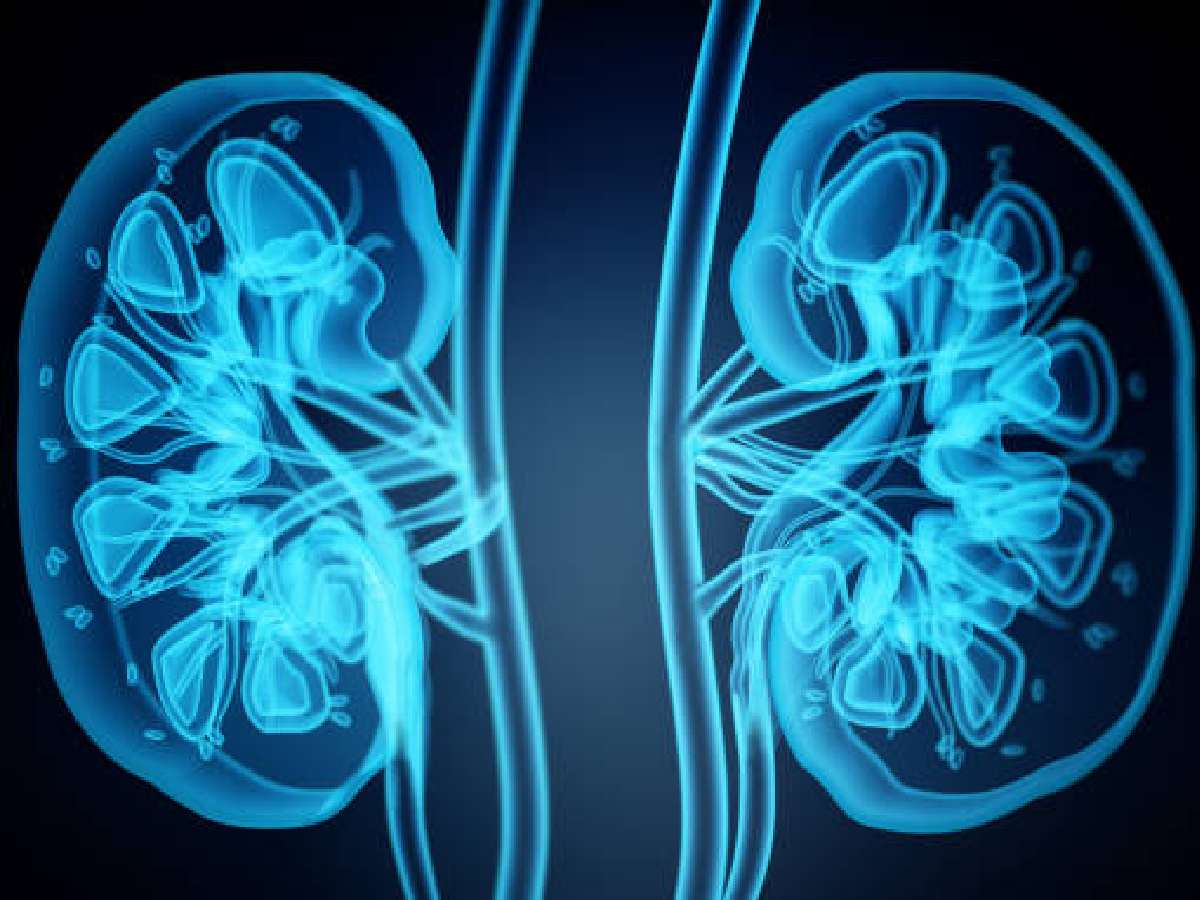
Kidney health: The kidneys are essential organs that filter waste and excess fluids from the blood while maintaining a balance of key electrolytes like sodium, potassium, and calcium, which are crucial for the human body’s proper functioning.
They also help regulate blood pressure by managing fluid levels and releasing the hormone renin.
Additionally, the kidneys produce important hormones such as erythropoietin, which stimulates red blood cell production, and calcitriol, the active form of vitamin D, vital for regulating calcium levels and supporting bone health.
Patriot explores the factors affecting kidney health in a conversation with Dr Javaid Iqbal Khan, a physician based in Kashmir.
Dehydration
Dehydration decreases blood volume, leading to reduced blood flow to the kidneys. This can impair their ability to filter waste and maintain fluid and electrolyte balance. To maintain kidney health, it’s important to stay adequately hydrated, particularly during hot weather, intense physical activity, or illness.
Also read: Muzaffar Ali’s Faras Nama showcases horses as symbols of Sufi spirituality
Increasing prevalence of diabetes
Diabetes is a leading cause of chronic kidney disease (CKD). As the rates of obesity and sedentary lifestyles rise, so does the incidence of type 2 diabetes.
Obesity
Obesity is linked to various conditions, including diabetes and hypertension, both of which can lead to kidney damage.
Poor dietary choices
Diets high in processed foods, salt, and sugar can contribute to obesity, hypertension, and diabetes, increasing the risk of kidney disease.
Sedentary lifestyle
Lack of physical activity is associated with obesity and metabolic disorders, which can negatively impact kidney health.
Environmental factors
Exposure to toxins, pollutants, and heavy metals can contribute to kidney damage.
Genetic factors
Family history and genetic predispositions can increase the risk of developing certain kidney diseases.
Also read: ‘The idea of altruistic surrogacy is absurd,’ says senior consultant Dr Anoop Gupta
Medications and toxins
Prolonged use of non-steroidal anti-inflammatory drugs (NSAIDs) can cause kidney damage. Certain antibiotics, chemotherapy agents, and contrast dyes used in imaging can damage the kidneys as well.
Obstructions in the urinary tract
Kidney stones can block the urinary tract and lead to infections or long-term damage to kidney tissue. Enlarged prostate in men can obstruct urine flow and cause kidney damage. Tumours, like cancer in the kidney or nearby structures, can cause kidney dysfunction.
Maintaining kidney health is essential for the overall well-being of a human body. Factors like dehydration, poor diet, and sedentary lifestyles can harm kidney function. Staying hydrated, eating a balanced diet, and exercising regularly can help protect us against kidney issues.
DMRC says zero reduction in train trips, attributes decline to security measures and public apprehension…
A Delhi court denied bail to a former DU professor accused of raping a student,…
Delhi Police charged seven dhaba workers in the fatal beating of a Manipuri musician who…
Seven Delhi STPs failed DPCC standards in September, dumping high levels of faecal coliform and…
AISA chief Neha Bora petitioned the Delhi HC against a police notice requiring a peace…
Average AQI of 171 in the first week of this month; falling temperatures and stubble…
