The most recent case of mpox in India was reported from Delhi on September 9
The most recent confirmed case of mpox (earlier known as monkeypox) in India was reported from Delhi on Monday, September 9 and the country recorded its first case on July 14, 2022. The World Health Organisation (WHO) had declared mpox, which has severely impacted the Democratic Republic of the Congo (DRC) and several African nations, a public health emergency of international concern (PHEIC) on August 14, 2024. The WHO first declared mpox a global health emergency in July 2022 and subsequently revoked the same in May 2023.
While health ministry officials reassure the public that the risk of a major outbreak in India is low, experts urge caution against complacency. Dr Ritu Saxena, Deputy Medical Superintendent and Head of the Emergency Department at Lok Nayak Hospital, shares key insights on the disease, its transmission, symptoms, and preventive measures.
Here Are Edited Excerpts From The Interview
What exactly is mpox, and what causes it?
Mpox is caused by the orthopoxvirus, which is closely related to the smallpox virus. It’s a zoonotic disease, meaning it spreads from animals to humans.
Despite the name, monkeys aren’t the only source—squirrels and other mammals can carry the virus too. What makes mpox concerning is that it can spread through several different ways.
How does mpox spread, and what factors drive its transmission?
Understanding how mpox spreads is key to controlling an outbreak. The virus mainly spreads through direct contact with the bodily fluids of an infected person—things like blood, saliva, or skin lesions. You can also get it by touching contaminated surfaces.
Also Read: Delhi: Encroachment near emergency gate led to patients’ deaths at Lok Nayak Hospital
Another major way it spreads is through respiratory droplets, especially if you’re in close, prolonged contact with someone who’s infected. This puts healthcare workers at higher risk. Sexual transmission has also been identified as a significant factor in the spread. This combination of transmission routes complicates efforts to control mpox, especially in areas with poor healthcare infrastructure or among high-risk groups.
What are the initial symptoms of mpox, and how do they progress?
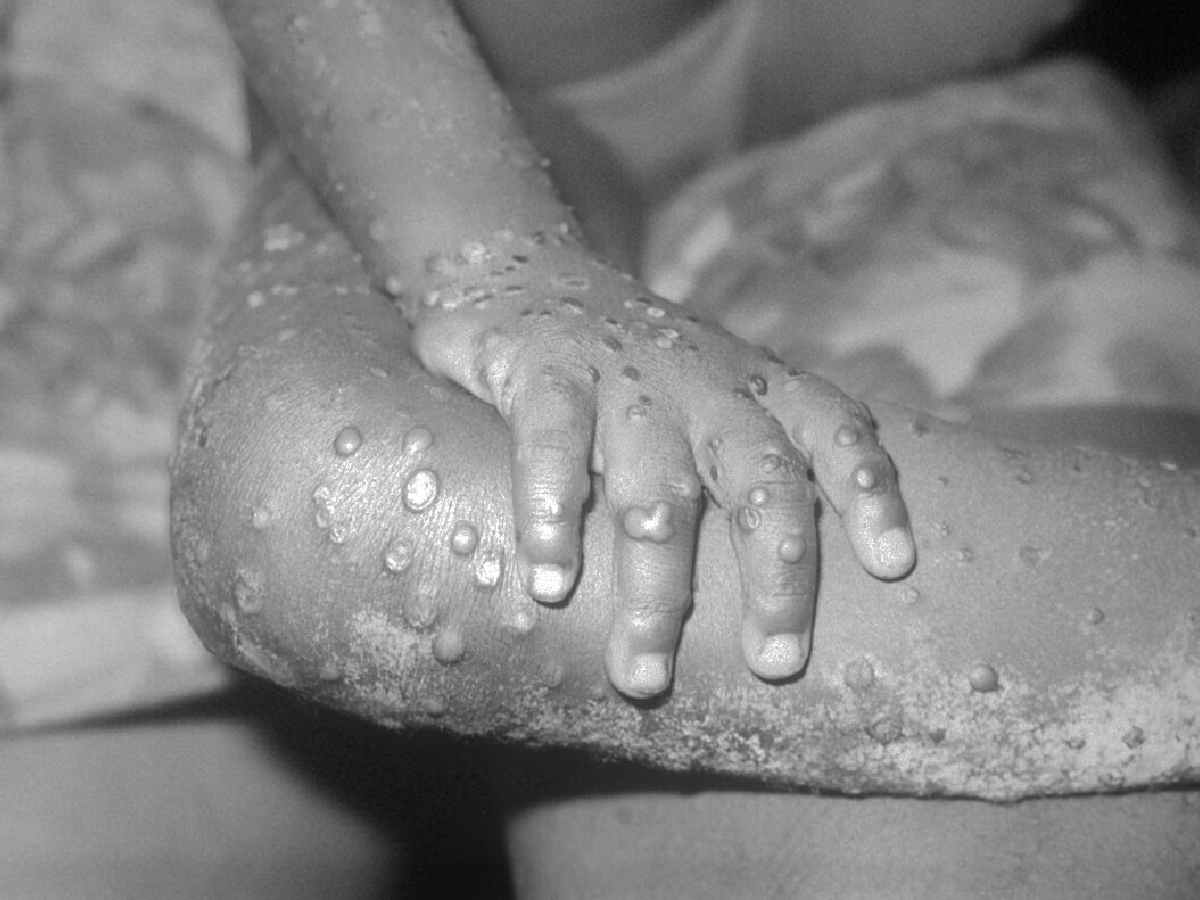
At first, the symptoms of mpox look a lot like other viral infections— fever, muscle aches, a sore throat, and swollen lymph nodes. But what sets it apart is the skin rash. It starts as small red spots and then turns into fluid-filled blisters, which eventually scab over as they heal.
One key symptom is the swollen lymph nodes. This helps distinguish mpox from something like chickenpox. The swelling shows that your immune system is kicking in and fighting the infection.
How is mpox diagnosed, and what tests are commonly used?
Mpox is primarily diagnosed through Polymerase Chain Reaction (PCR) testing, the same method used for COVID-19 detection. Swabs are taken from skin lesions, nasal passages, or the throat to identify the presence of the orthopoxvirus. Due to its high accuracy, PCR is the gold standard for confirming mpox cases, particularly in regions where the disease is rare. While PCR testing remains essential for diagnosis, treatment options for mpox are still limited.
What is the standard treatment plan for patients diagnosed with mpox?
There is currently no specific antiviral treatment for mpox. Most cases are managed with supportive care to relieve symptoms like fever, pain, and fatigue. Medications such as antipyretics reduce fever, while analgesics help manage pain. In more severe cases, where complications like heart or kidney issues occur, intensive care may be required. Though the virus is rarely fatal, it can pose serious risks to those with weakened immune systems or underlying conditions.
Also Read: Mpox patient at LNJP hospital stable, no need to panic: Delhi minister Saurabh Bharadwaj
Immunocompromised individuals, such as those living with HIV, are especially vulnerable and require regular monitoring and supportive care.
What isolation measures are taken for mpox, and how effective are they?
Isolation is crucial in controlling mpox. Infected individuals are typically isolated for 21 days, aligning with the virus’s incubation period. They must remain in isolation until all scabs have fully healed, as the virus remains contagious until then.
Hospitals have established dedicated isolation wards to contain the virus and protect healthcare workers and other patients, making this approach highly effective in preventing further spread.
Are there any vaccines available for mpox, and how effective are they?
Yes, the MVA-BN vaccine, originally made for smallpox, has now been approved by the WHO for mpox and added to their prequalification list. This means UN agencies can start buying and distributing it. But we’ll have to wait and see just how effective it is against virus specifically.
In the meantime, even with the vaccine, it’s still important to stay cautious—things like washing hands regularly, wearing masks in crowded areas, and practising safe sexual behaviour are key to keeping the virus from spreading.
What are the potential complications and long-term effects of mpox?
For most people, mpox is a self-limiting disease, with recovery typically occurring within two to four weeks. Complications are rare but can include secondary bacterial infections or more severe outcomes in individuals with weakened immune systems or underlying health conditions.
Also Read: Dengue surge in Delhi: Essential dos and don’ts to remember
There are currently no documented longterm effects for those who recover from mpox. However, ongoing monitoring is important to identify any potential long-term issues that may arise.
How important is public awareness and prevention in controlling mpox?
Public awareness is crucial in controlling the spread of this virus. By maintaining good personal hygiene, recognising symptoms early, and following isolation protocols, individual can significantly help in containing the disease.
Although this virus has a relatively low fatality rate, especially among healthy individuals, vulnerable populations should take extra precautions to prevent complications and protect their health.
BNSS caps custody at 24 hours and requires production before a Magistrate; force permitted only…
An SEM court reserved its order on extending the judicial custody of CJP leaders Saurav…
Delhi recorded its first 'poor' air day of the season on Wednesday as AQI hit…
Stage I of GRAP was invoked later this year in Delhi due to govt's preventive…
DDA plans to resume tethered hot air balloon rides at Baanseera park from Nov 14,…
NDMC is consulting RWAs and traders on draft 2026 property tax bye-laws, seeking feedback on…

