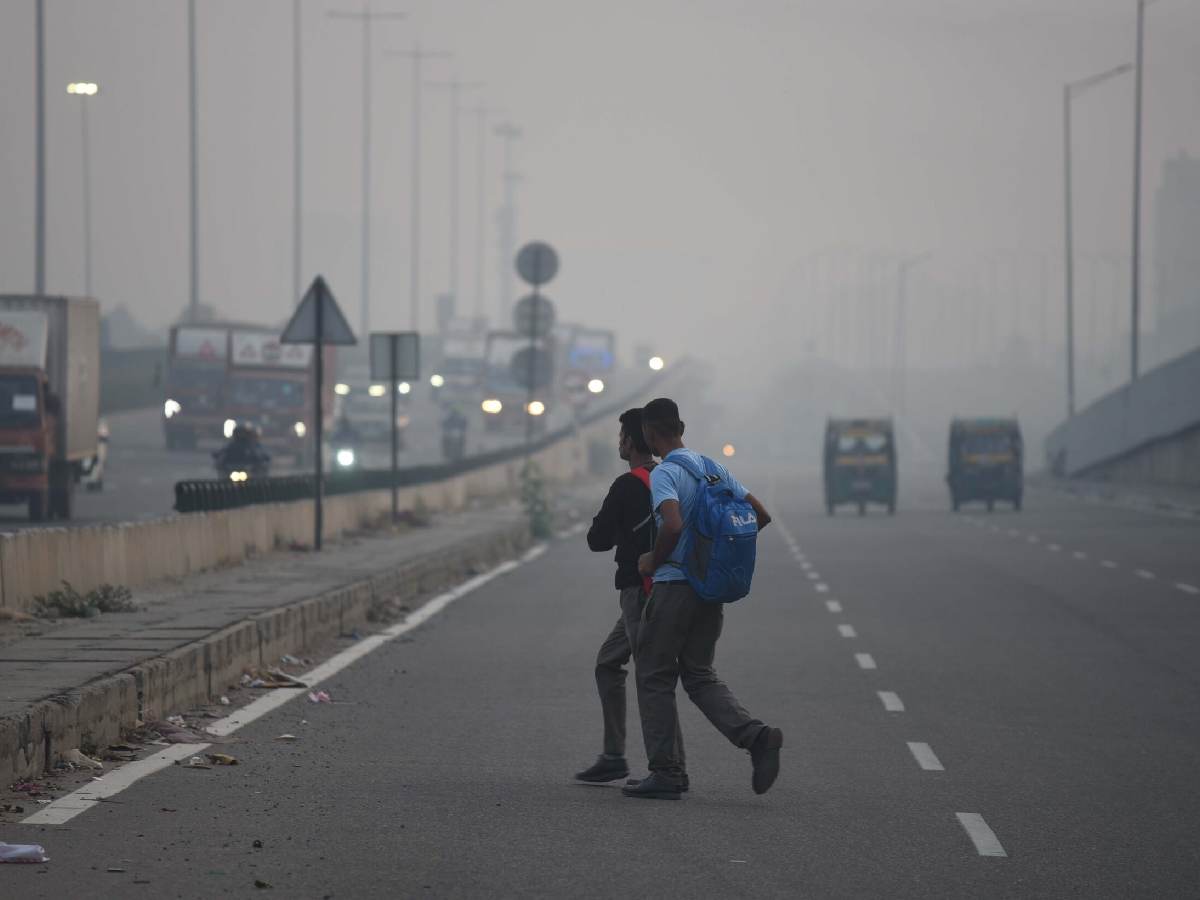
The Supreme Court on Wednesday directed the CAQM, CPCB and state pollution control boards to come out with measures to prevent air pollution within three weeks, ahead of the onset of winter when pollution levels spike.
A bench comprising Chief Justice of India (CJI) B R Gavai and Justice K Vinod Chandran also pulled up states over vacancies in their pollution control boards and asked states like Uttar Pradesh, Haryana, Rajasthan and Punjab to fill them in three months.
The bench also passed similar directions to the Commission for Air Quality Management (CAQM) and the Central Pollution Control Board (CPCB).
It, however, granted six months for filling up promotional posts in state pollution control boards, CAQM and CPCB.
The CAQM is a statutory body formed by the Centre and its main goal is to manage and improve air quality in the National Capital Region (NCR) and its adjoining areas, which include parts of Punjab, Haryana, Uttar Pradesh and Rajasthan.
The bench was hearing a suo motu plea relating to filling up of vacancies in these authorities. It will hear the matter next on October 8.
The court came down heavily on states for failing to fill long-pending vacancies in their pollution control boards, observing that inadequate manpower during peak pollution seasons aggravates the environmental crisis.
Read more
Celebrating 60 years of Nehru Park: a modern Indian masterpiece
After an extended rainy season that had kept regulars away, Nehru Park in Delhi is once again bustling with activity. With the skies clear, walkers, joggers, and yoga enthusiasts have returned to this iconic park, established in 1965. In one quiet corner, a reader sits under the shade of a tree, immersed in a novel, adding to the park’s serene charm.
Spanning 75 acres, Nehru Park was developed at a cost of Rs 20 lakh in 1965. Prime Minister Lal Bahadur Shastri laid its foundation on February 25, 1965, and it opened to the public that September. As the park celebrates its 60th anniversary in 2025, it remains a testament to India’s post-independence vision for public green spaces.
Unrest in Kathmandu leaves Nepali diaspora in Delhi fearful and uncertain
Within the cramped lanes of Vasant Vihar, many Nepali nationals in Delhi have built their lives over the years. Yet, even as they find belonging in the city, distance from families across the border weighs heavily, especially as violent protests sweep Nepal.
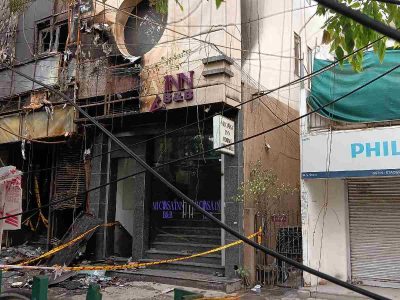
On September 10, the Nepal Army imposed nationwide restrictions and a curfew following deadly anti-government demonstrations in Kathmandu. The protests forced the resignation of Prime Minister KP Sharma Oli, leaving several buildings ablaze and the nation on edge.