
Culture & Books
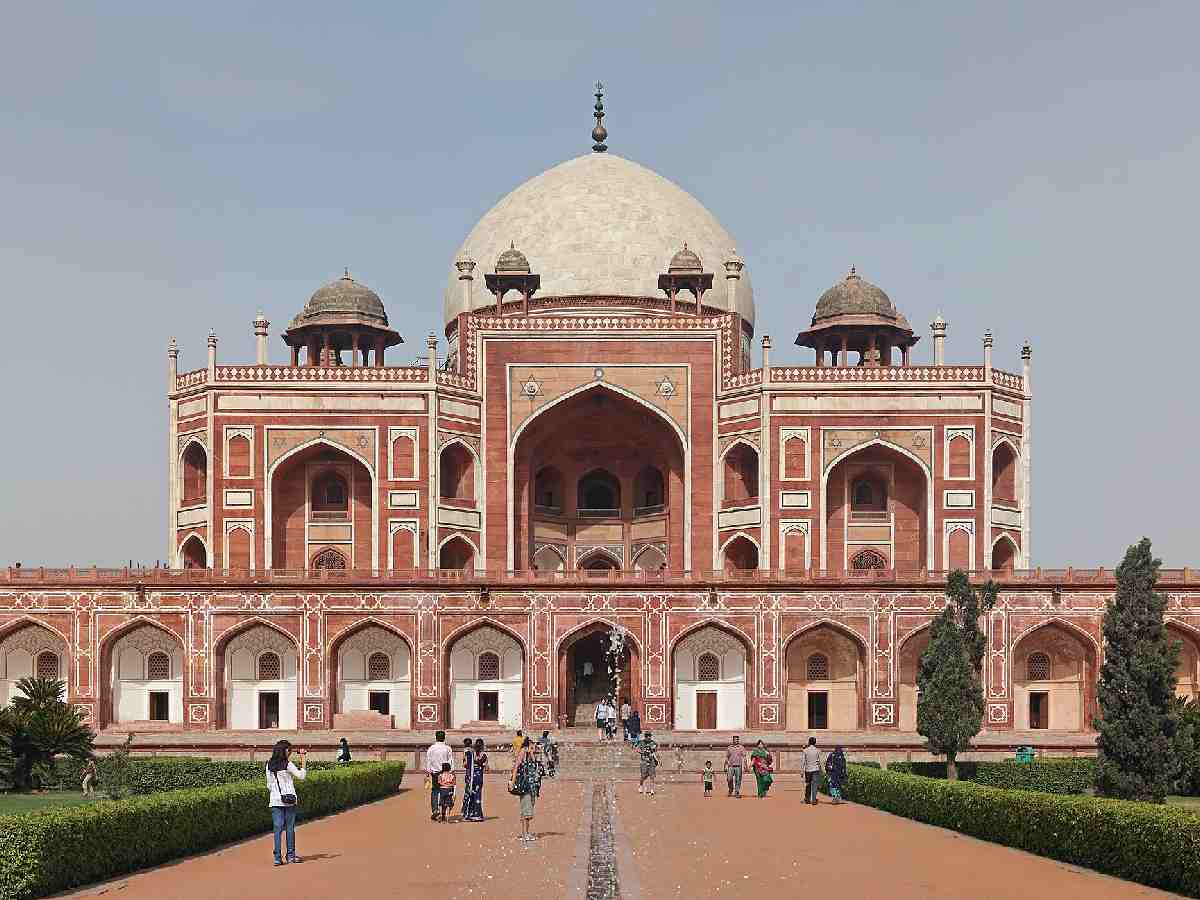
Delhi 1857: How the fall of the Mughal capital changed the city forever
The fall of Delhi brought the Mughal court to an end and transformed the city forever. Nearly 170 years later, its streets and monuments still carry traces of the uprising
Irwin and the making of New Delhi
From Raisina Hill and India Gate to a road that bears his name, his imprint can still be found across the Capital
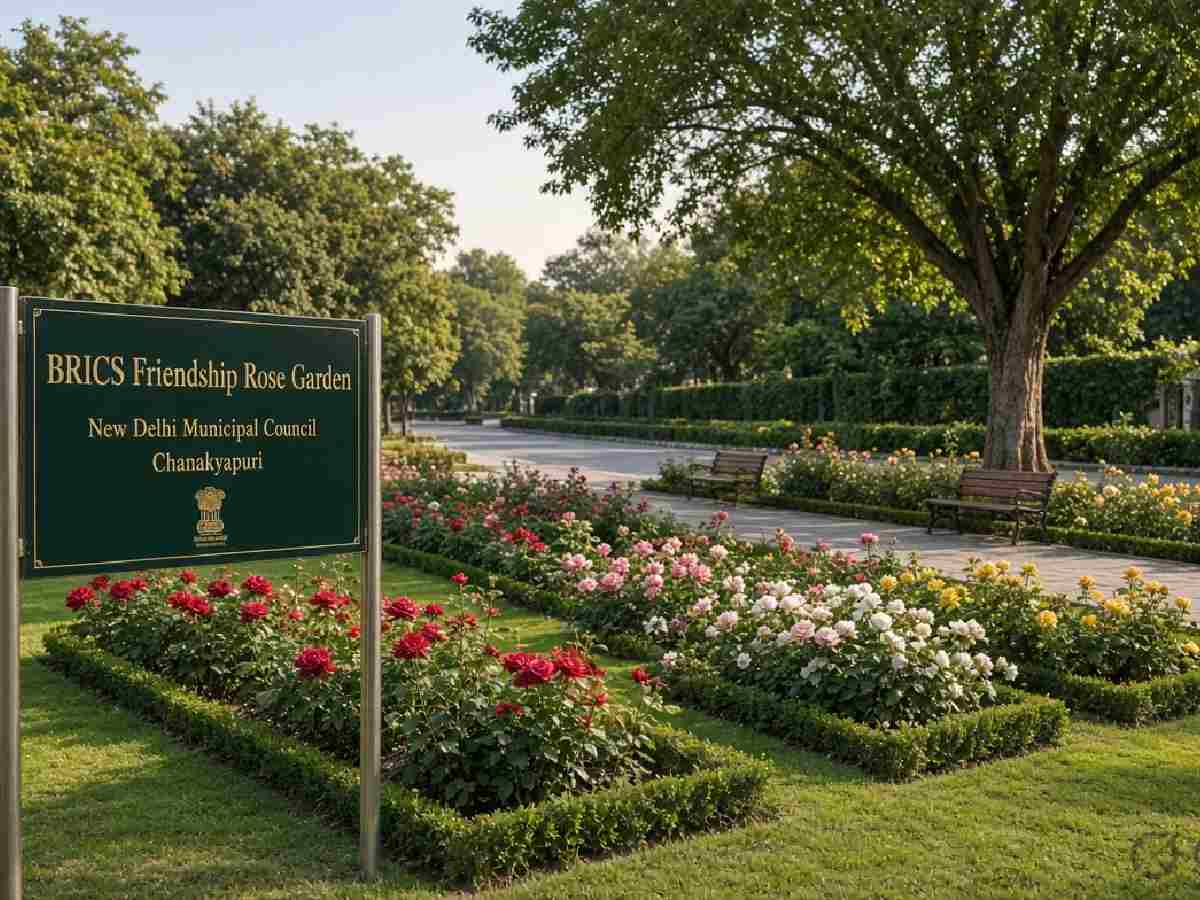
Roses, Lenin, Tolstoy, Mandela: Delhi’s BRICS map in bloom
The city won't need to go out of its way to prepare for the upcoming two-day BRICS summit; a 2016 BRICS garden in Chanakyapuri still blooms; nearby, older markers tell quiet stories of Russia, South Africa, Brazil and China
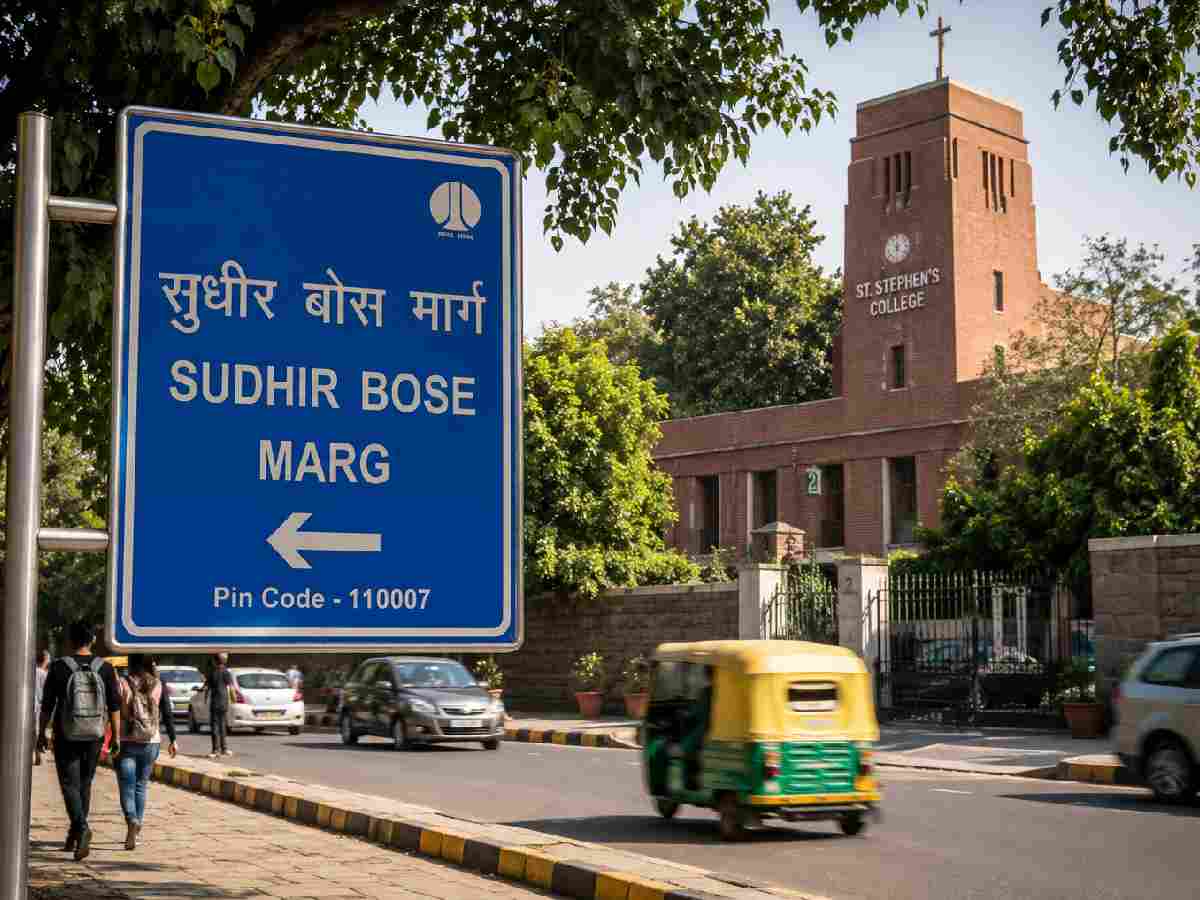
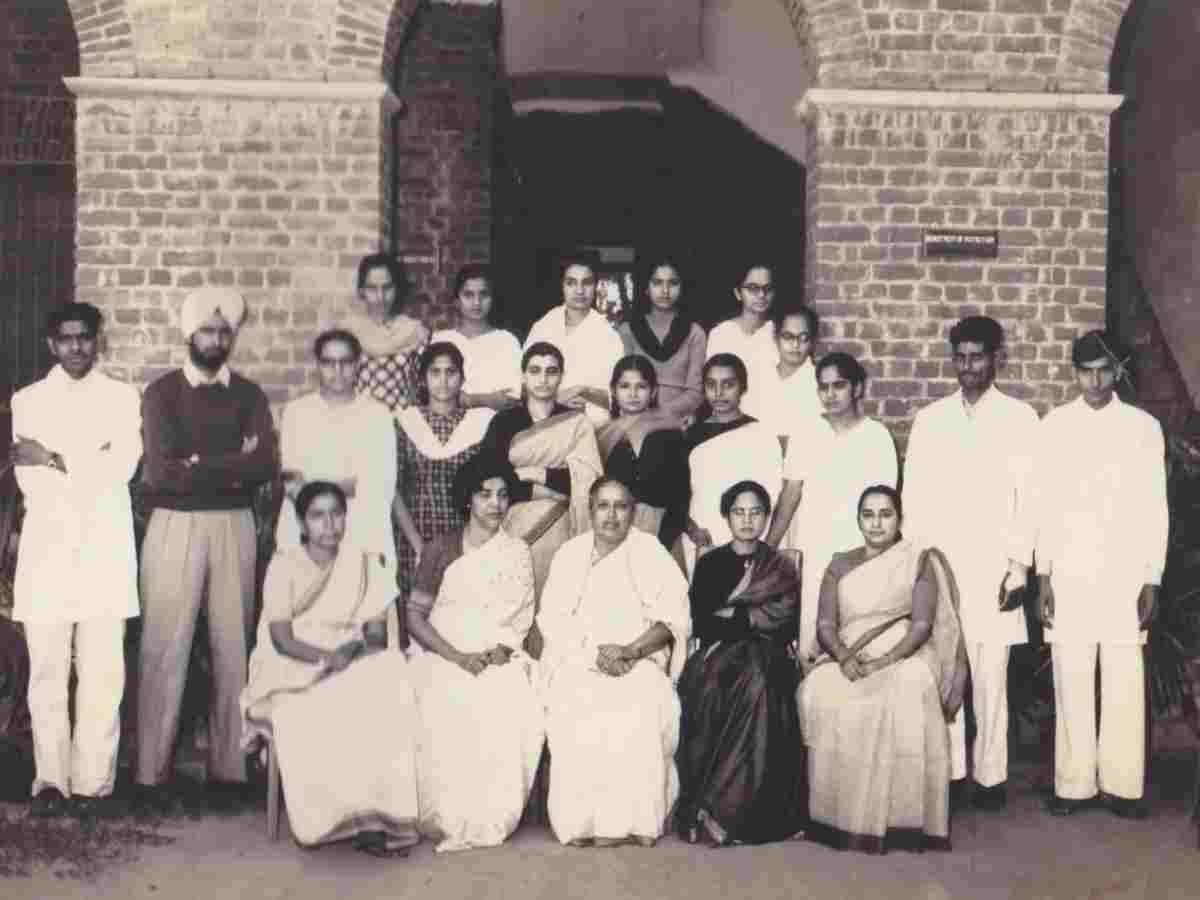
Delhi’s other map: roads named after teachers
From academics to cricketers and wrestling gurus, these city roads are named after celebrated mentors
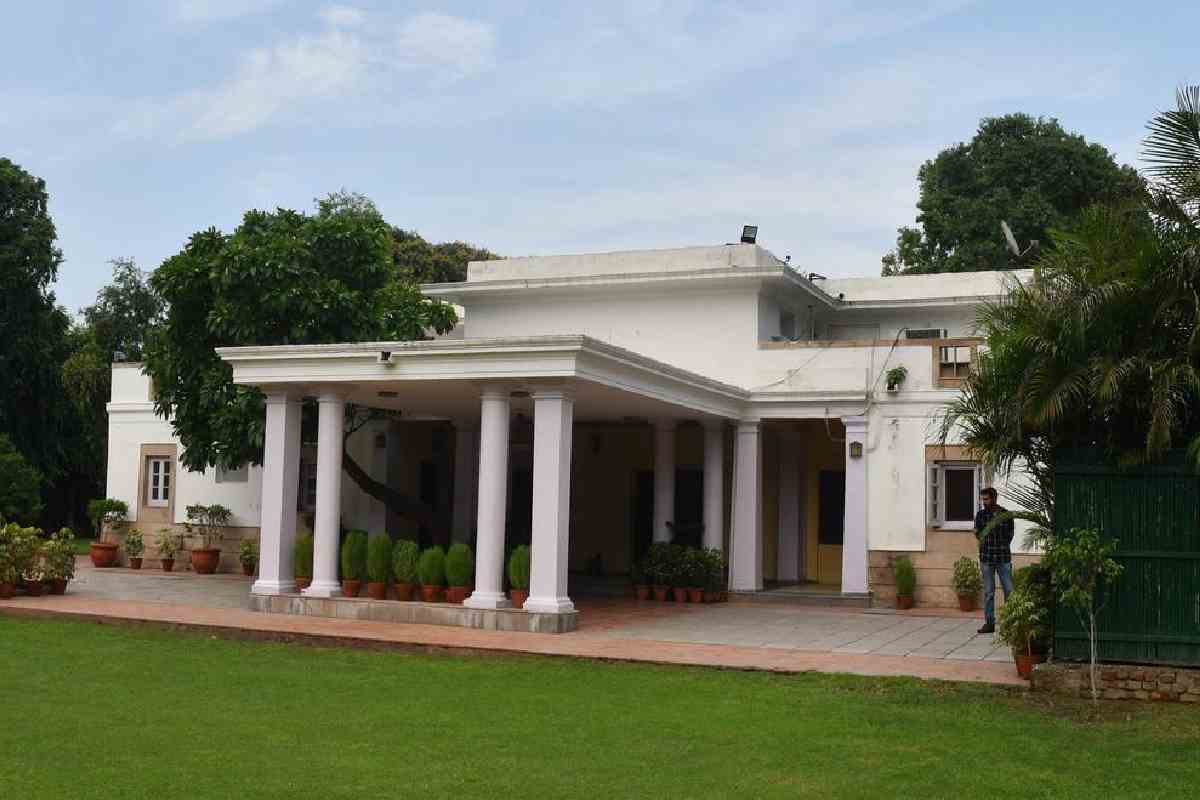
Lutyens’ bungalows: addresses that turned into legacy
Some Lutyens’ Delhi bungalows remain associated with the leaders who once lived in them
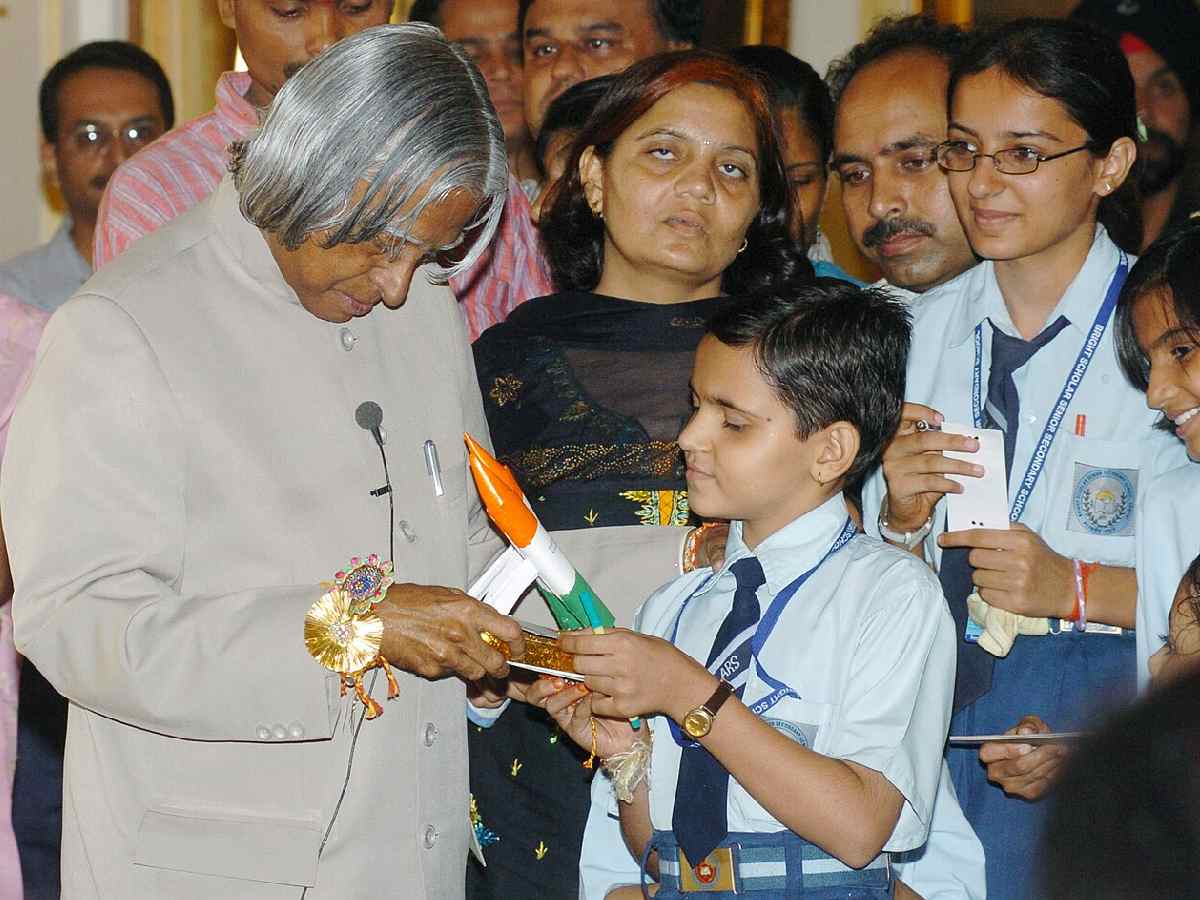
From Rajendra Prasad to Droupadi Murmu: Rakhi tradition at Rashtrapati Bhavan
Presidents across seven decades have celebrated the age-old tradition in the highest constitutional office of the country
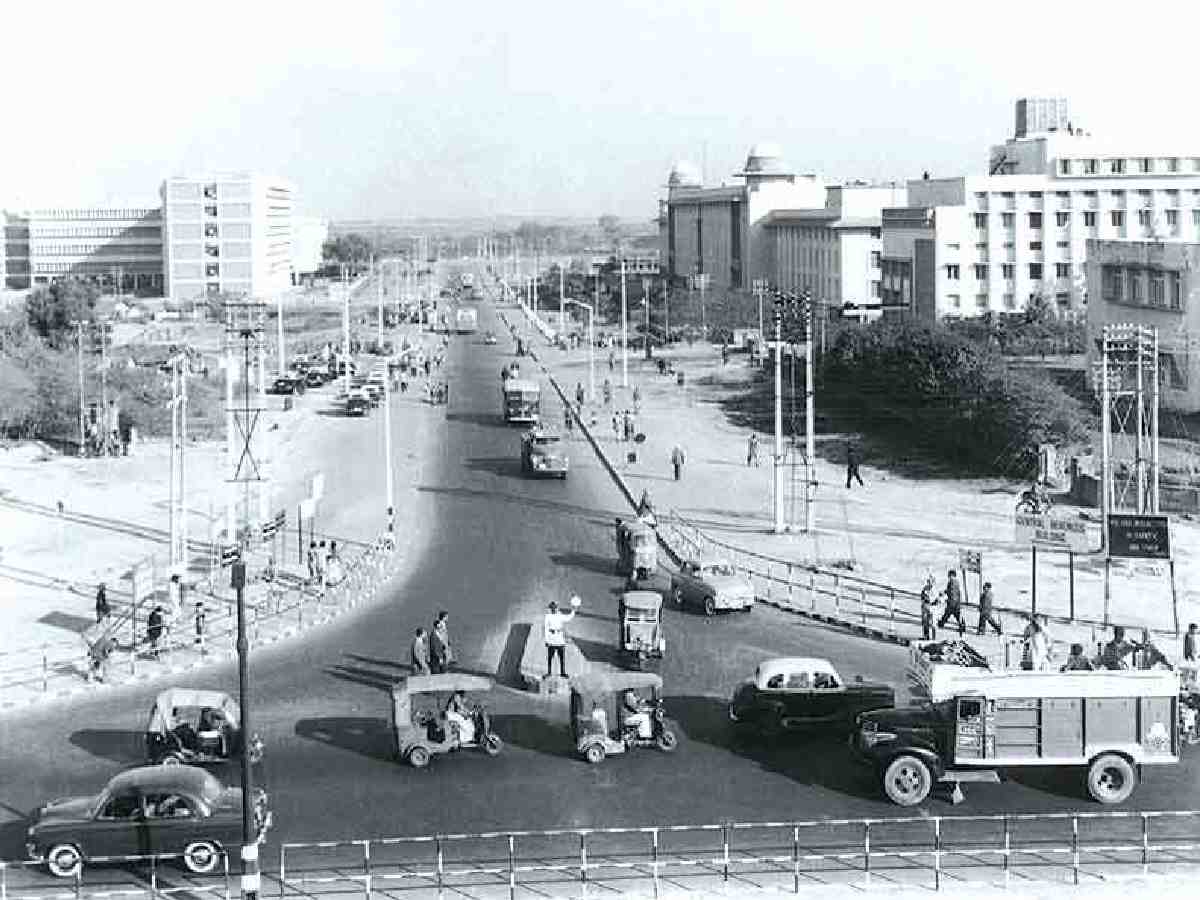
The changing face of ITO
As the Income Tax complex makes way for a new Delhi secretariat, a familiar chapter in the architecture of post-Independence Delhi is coming to an end
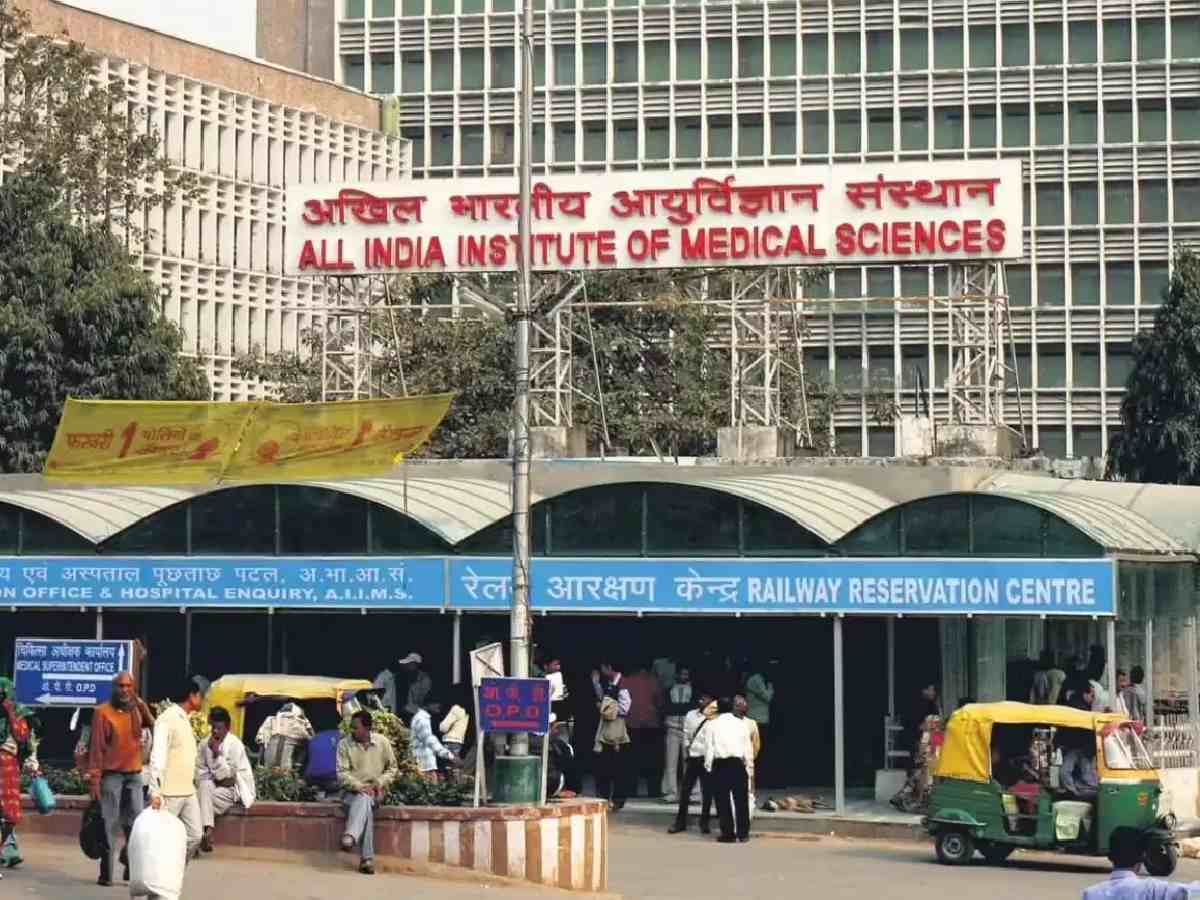
70 years of AIIMS: where India comes for treatment
The story of how an institution founded shortly after Independence became a healthcare destination for patients from across the country