

VIVEK SHUKLA
The writer is a Delhi-based senior journalist and author of two books ‘Gandhi's Delhi: April 12, 1915-January 30, 1948 and Beyond’ and ‘Dilli Ka Pehla Pyar - Connaught Place’
Posts by: VIVEK SHUKLA
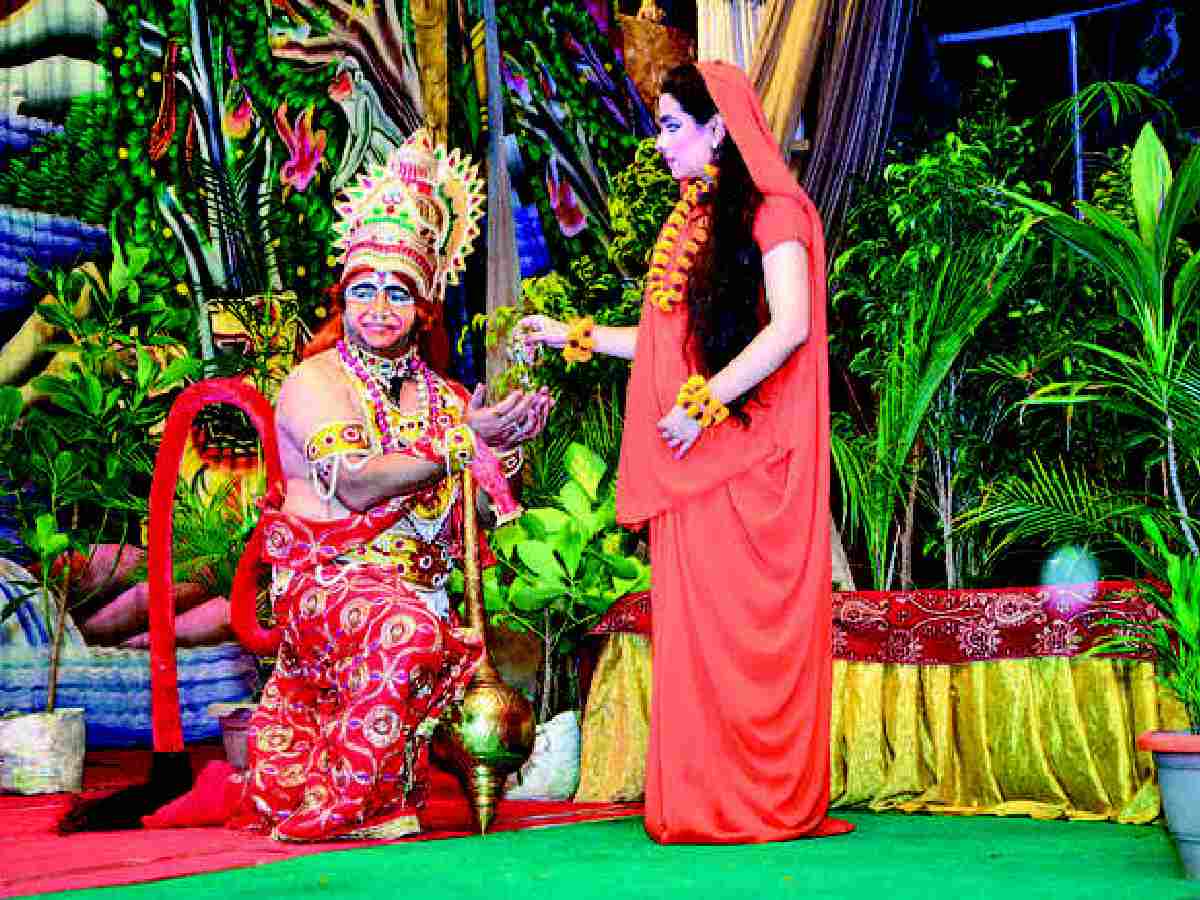
Where Ramlila speaks Urdu
From Urdu dialogues in Faridabad to Delhi’s historic celebrations, Ramlila has many stories to tell
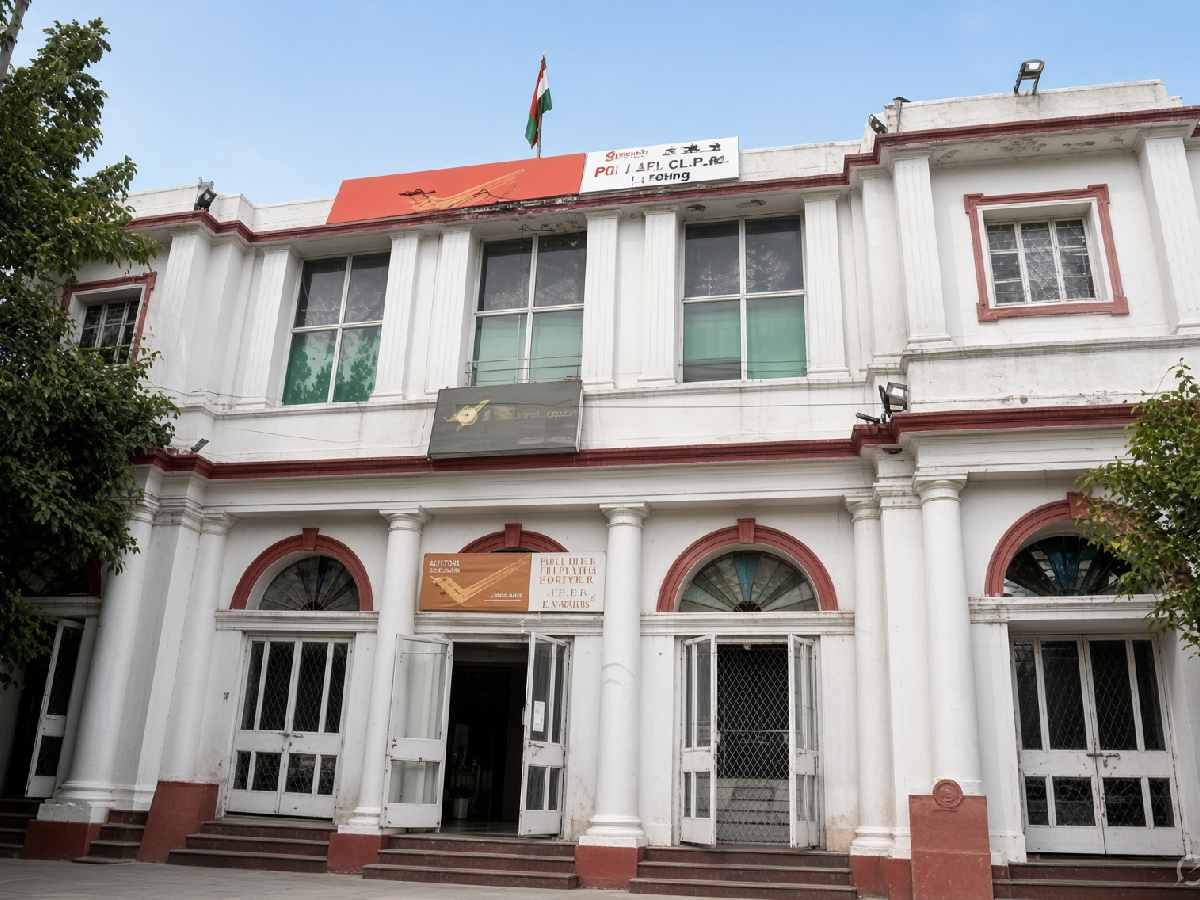
Delhi’s Post Offices: from Gol Dak Khana to the Parliament House
A look at the city’s historic postal buildings and the changing ways in which its messages have travelled
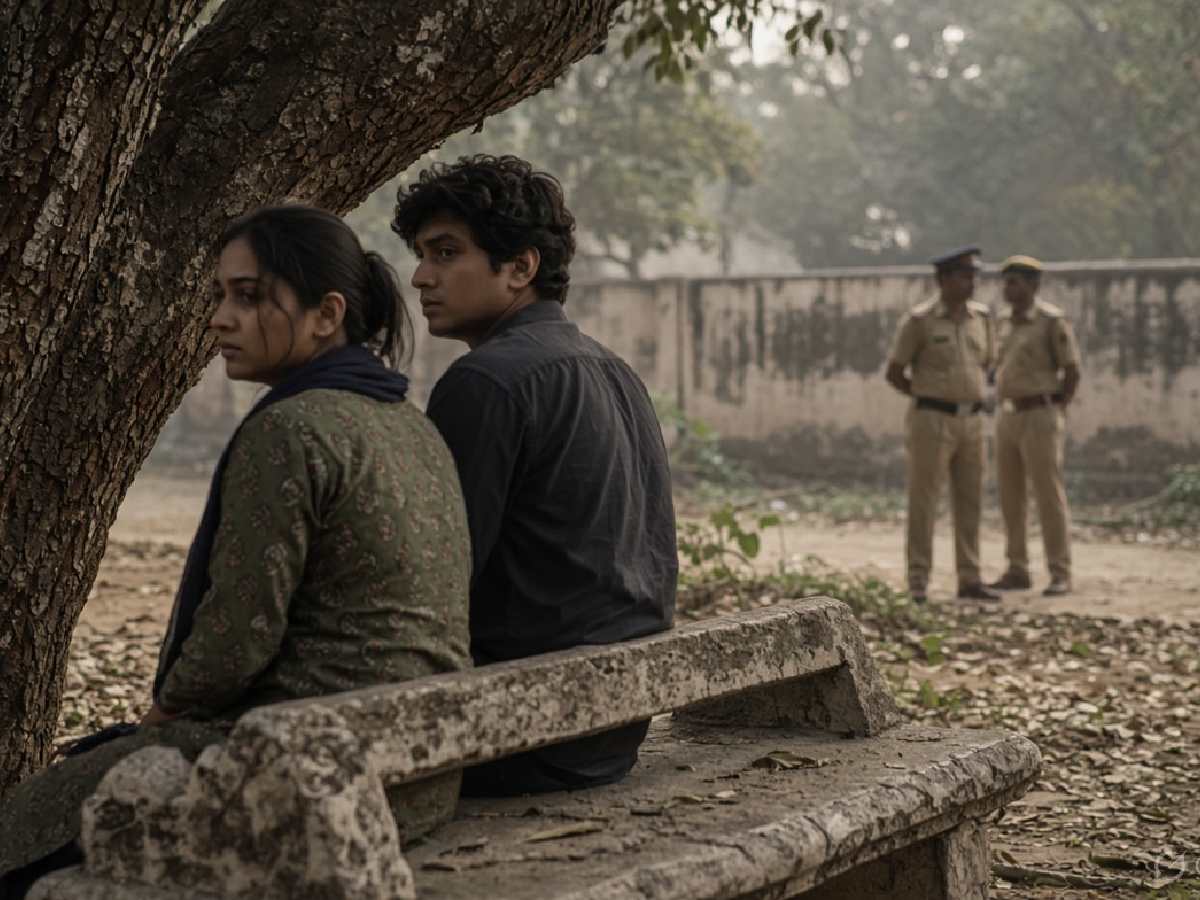
Astha Kunj incident lays bare old racket of fake cops preying on couples
From Mahavir Sthal in the 1990s to Astha Kunj this year, the method has barely changed: khaki, the threat of arrest, the fear of parents, and cash to settle.
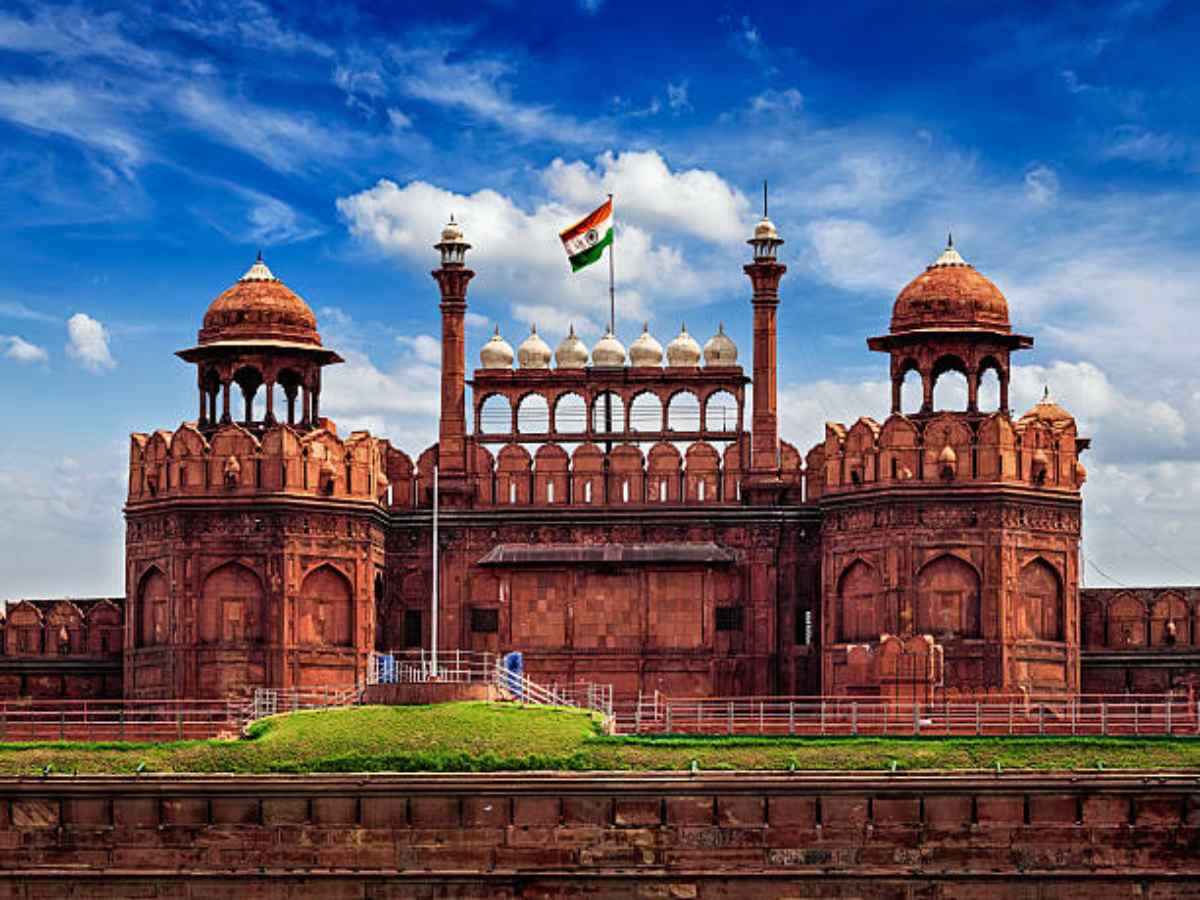
What November 1 means to Delhi
The date marks the creation of the Union Territory, but Delhi’s story began centuries earlier and continued through several political shifts
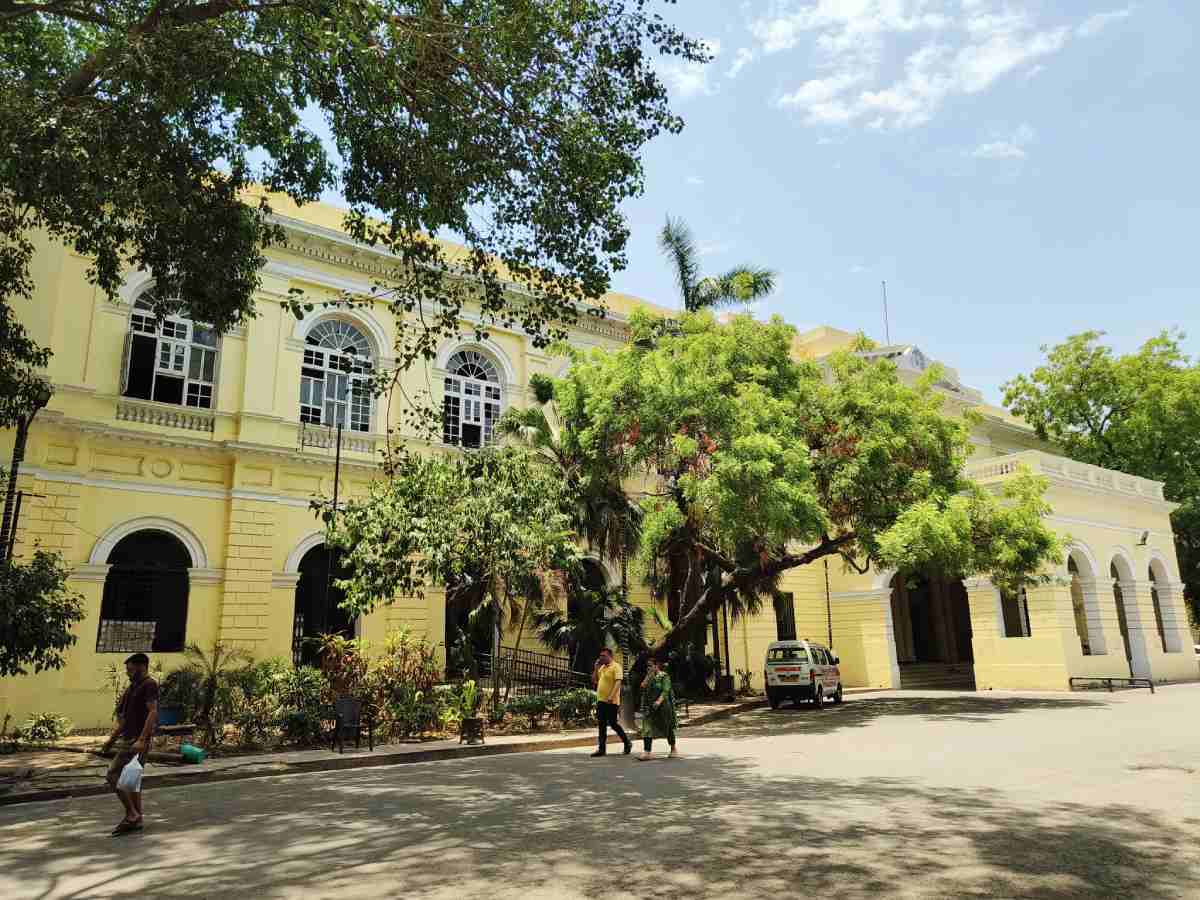
Delhi’s Town Hall: the building that never left the people
Built by the British, the Town Hall outlived the empire and became an enduring part of Delhi’s civic life
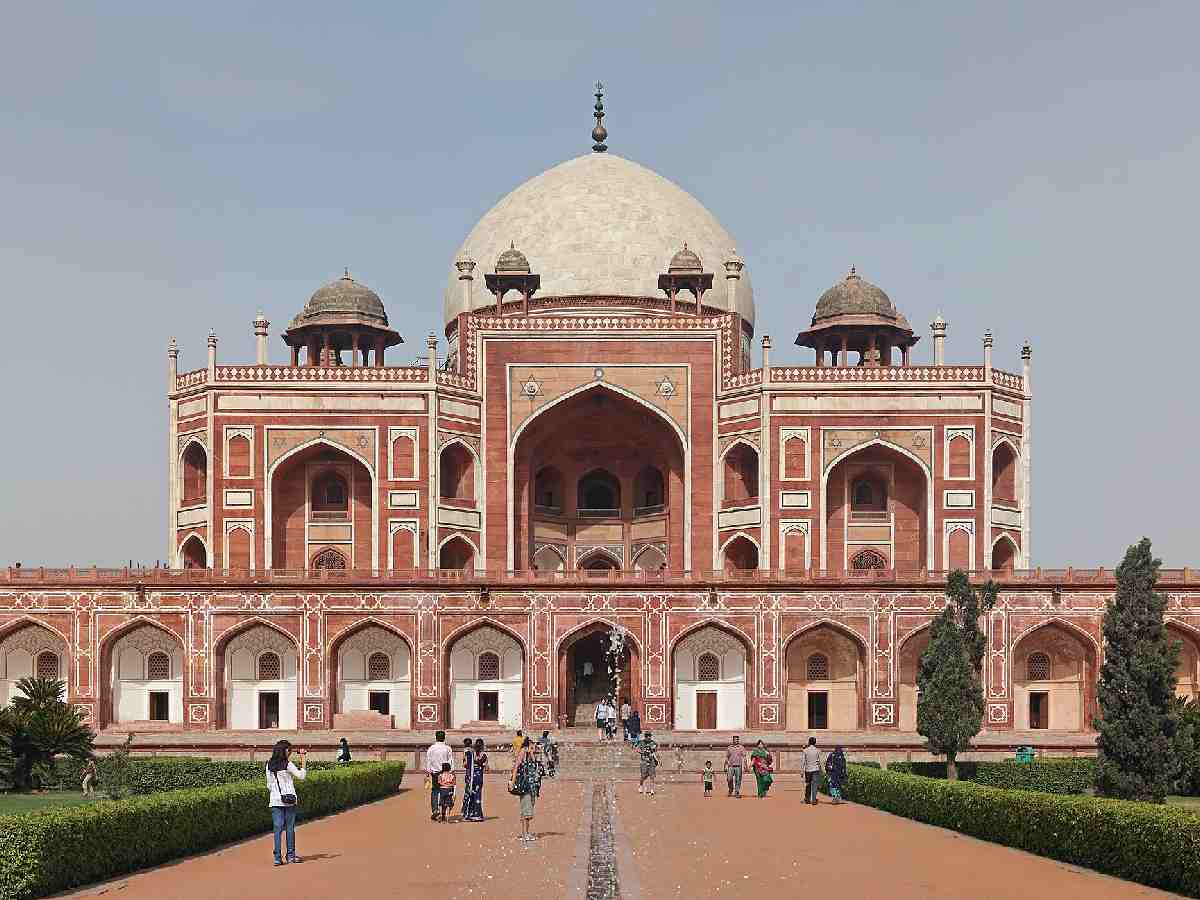
Delhi 1857: How the fall of the Mughal capital changed the city forever
The fall of Delhi brought the Mughal court to an end and transformed the city forever. Nearly 170 years later, its streets and monuments still carry traces of the uprising
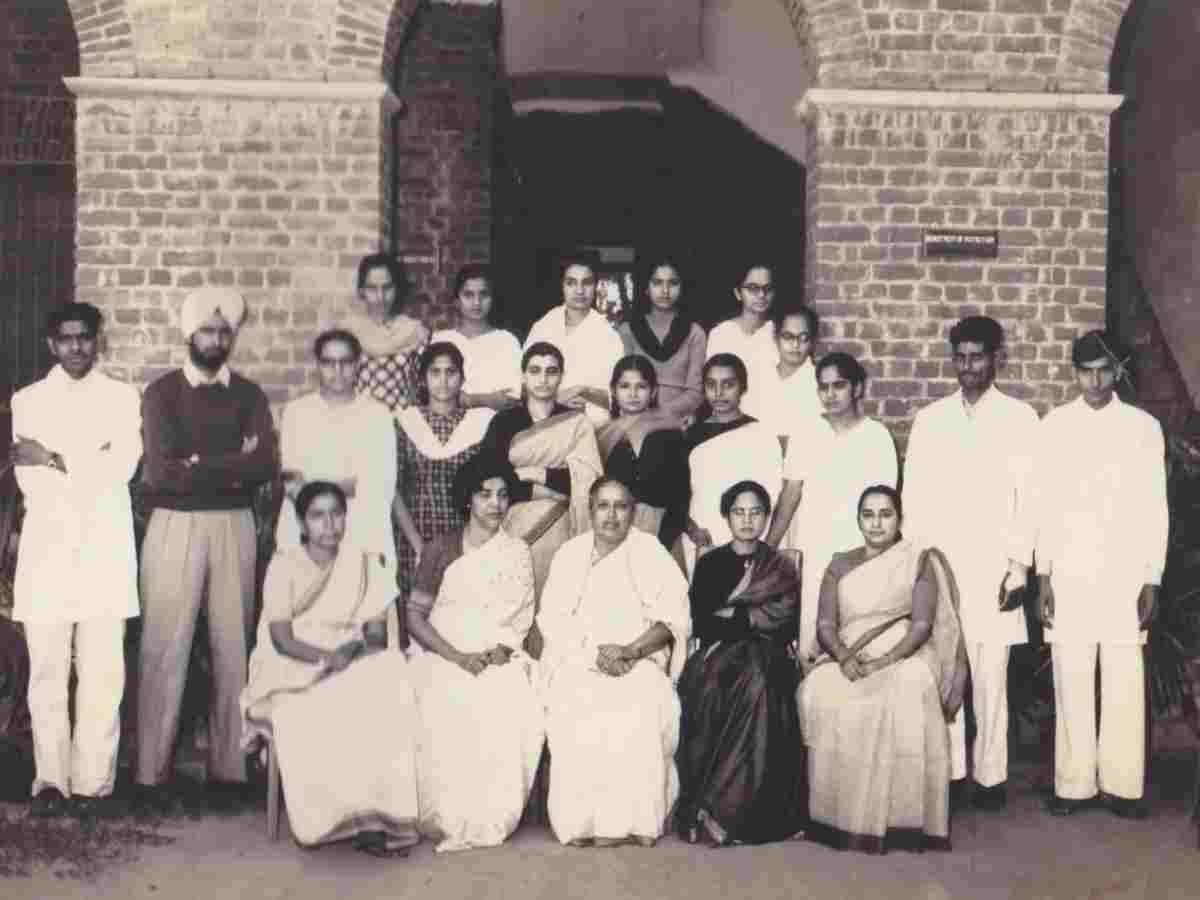
Irwin and the making of New Delhi
From Raisina Hill and India Gate to a road that bears his name, his imprint can still be found across the Capital
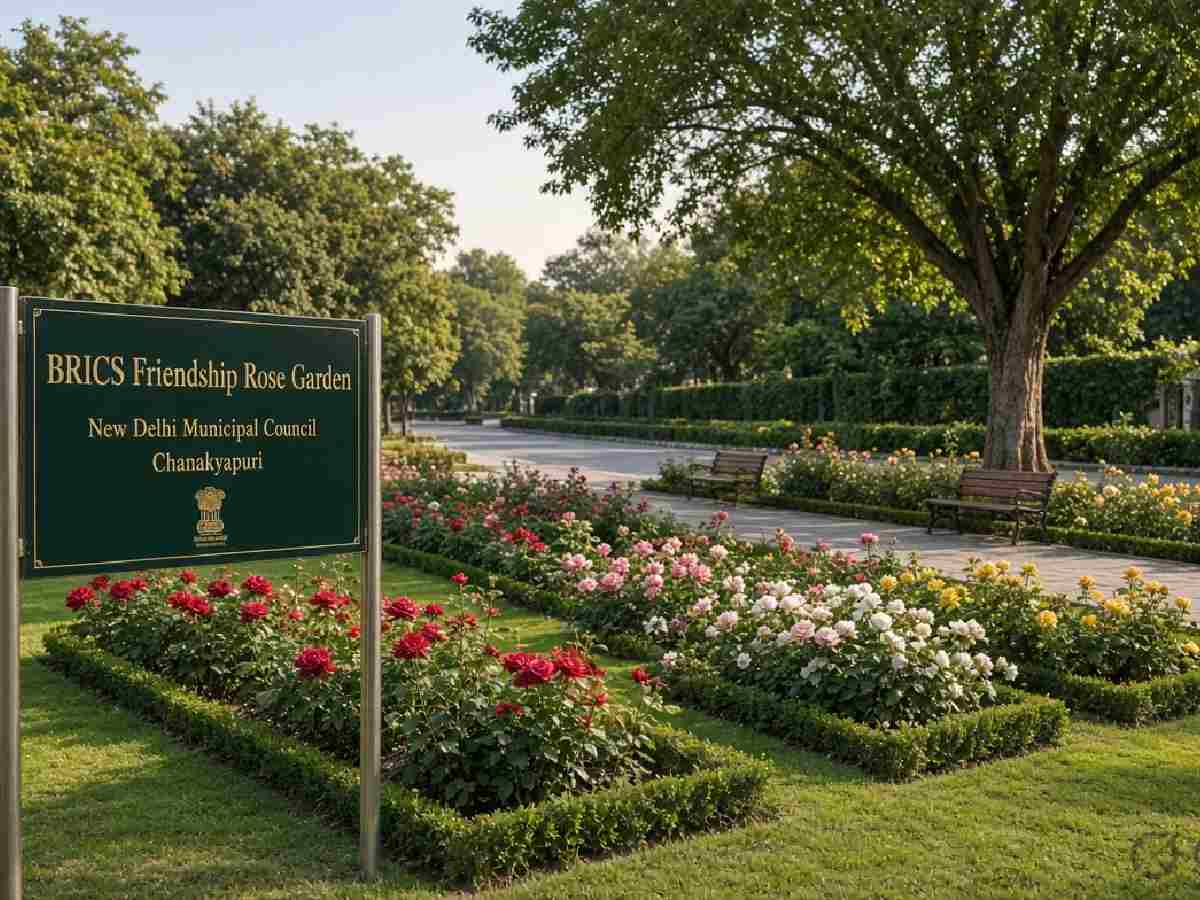
Roses, Lenin, Tolstoy, Mandela: Delhi’s BRICS map in bloom
The city won't need to go out of its way to prepare for the upcoming two-day BRICS summit; a 2016 BRICS garden in Chanakyapuri still blooms; nearby, older markers tell quiet stories of Russia, South Africa, Brazil and China