
The Delhi government has extended the electric vehicle policy for three months, a senior transport department official said.
Launched in August 2020 as one of the key initiatives of the previous government, the policy aims to tackle vehicular pollution and promote the adoption of electric vehicles in the national capital. Although its initial three-year term ended in August 2023, the government has been extending the policy since.
“The existing policy has been extended for three months or till the new policy is notified,” an official said. Earlier, the government had extended the policy until March 31, 2026.
The government was expected to notify the Delhi Electric Vehicle (EV) Policy 2.0 by March 31, 2026, when the old policy lapsed. However, the policy draft is still being finalised.
Officials said that the new EV policy, combined with the PM e-drive scheme, will offer various incentives to boost electric vehicle sales in the national capital.
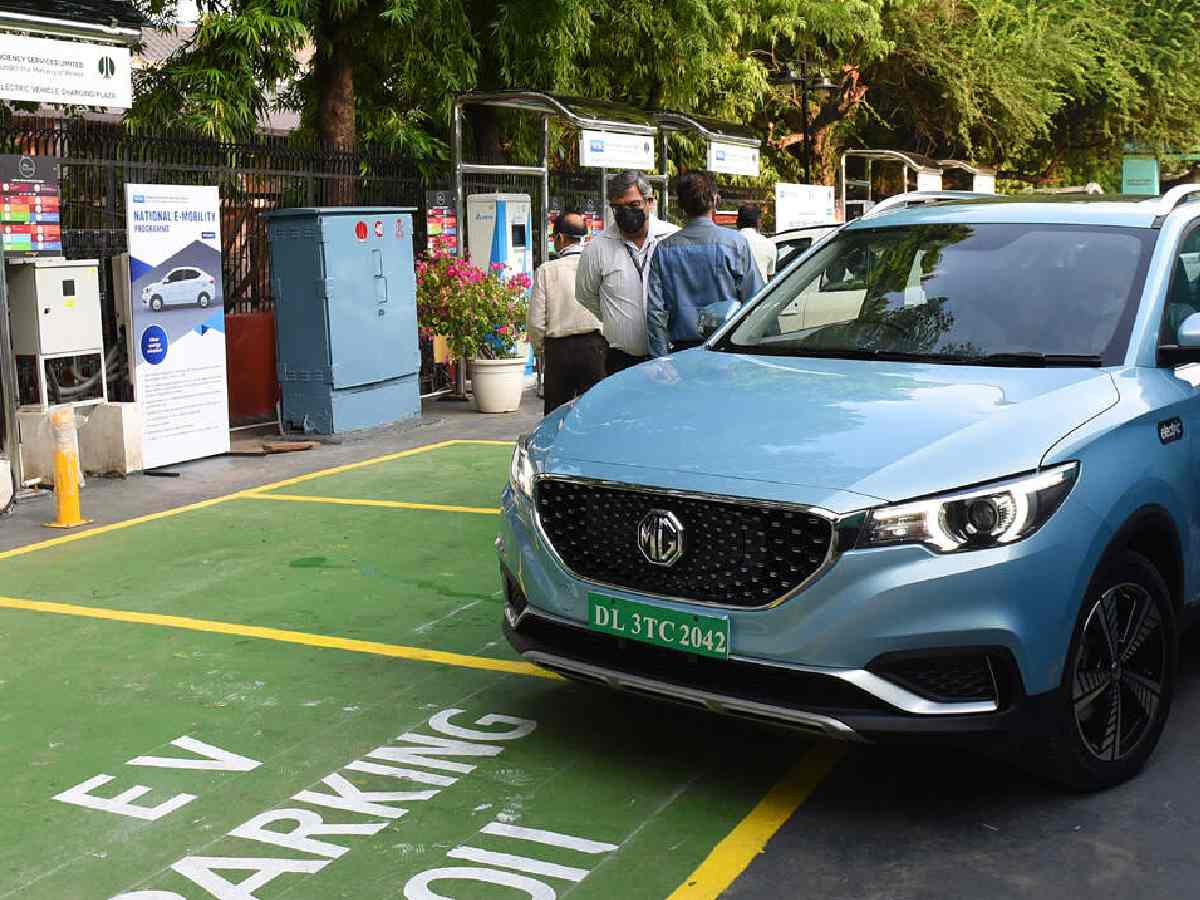
“Delhi plans to add 7,000 charging points and 100 battery swapping stations this year to expand the city’s EV infrastructure and curb pollution,” another official said.
These additions will bring the total number of charging points in the city to over 16,000 by the end of the year.
According to the policy draft, it aims to promote a clean mobility transition through targeted incentives, infrastructure development and strong regulatory measures.
For the purpose of providing last-mile connectivity in congested unauthorised areas, the government is also exploring ways in which mini-cabs and e-rickshaws can be deployed for public convenience, officials said.
According to officials, Delhi EV policy 2.0 will be for four years from 2026–2030 and will have specific measures to accelerate electric vehicle adoption, improve air quality, and create a supportive ecosystem for electric mobility.