Jay Singh, who works as a bike-taxi driver in the evenings, has been trying to fend for his family for the past six years. Having lost his job as a commercial driver during the pandemic, a stable life felt slightly out of reach for him in 2020. However, he got lucky in 2021, he says, when he landed a job with the Delhi Transport Corporation (DTC).
“I heard about a contractor who provided drivers to the DTC, so I reached out to him,” Singh said.
However, Singh did not know that his job at the DTC would not see a single pay hike in five years. He continues to earn the same amount as he did on the day of joining — Rs 863 daily. “It is not possible for us to continue like this. They [senior officials] keep saying they will work on our complaints, but the delay only keeps getting longer. Now, they have either fired protesting drivers or are sending notices to them just for demanding their rightful due,” he said.
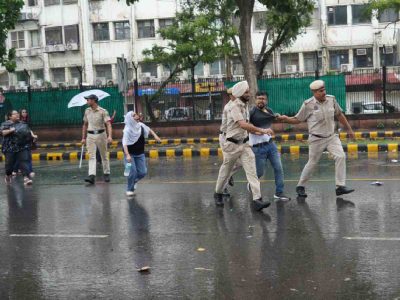
The strike began on September 15 after drivers employed through private agencies for the DTC stopped work, demanding better wages, medical facilities, social security, improved working conditions and greater job security.
Their demands also included a minimum daily wage of Rs 2,000, annual and festival bonuses, payment for government holidays, a weekly day off, protection against salary deductions following accidents, a daily route limit of 100 km, and direct absorption into the DTC instead of being employed through third-party contractors.
City at standstill
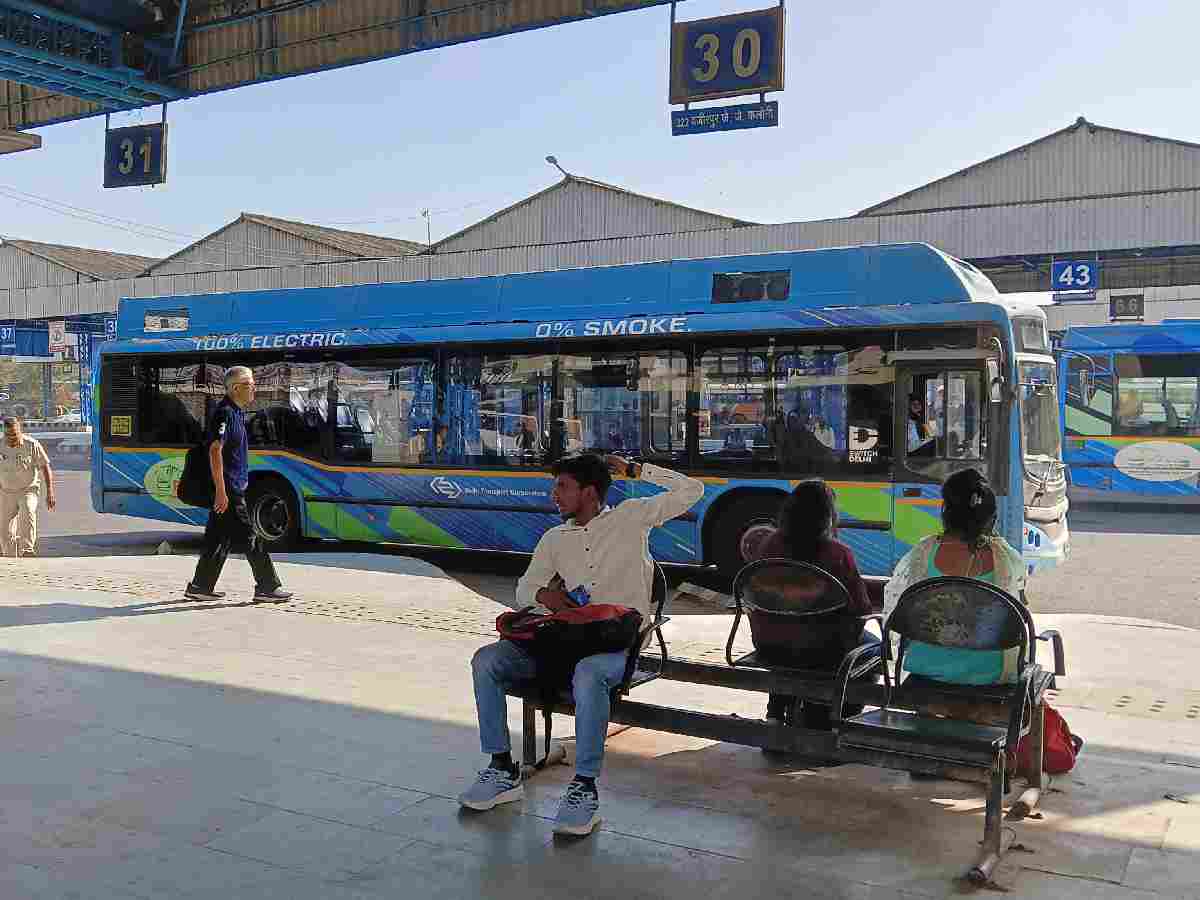
The strike brought large parts of Delhi’s bus network to a standstill, leaving commuters waiting for hours while hundreds of buses remained parked at depots. Around 280 buses from the Burari depot alone remained off the roads during the first two days of the agitation. Private concessionaires operating DTC buses faced a driver shortage during the strike.
DTC subsequently deployed around 300 of its drivers with private operators to keep buses running, according to the union.
Several of these DTC drivers had earlier been assigned non-driving duties at different locations. Some were assisting the Transport Department with pollution checks while others were deployed at DTC depots.
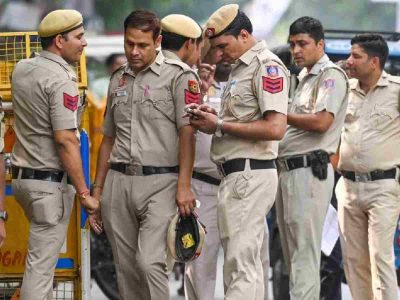
However, by the end of the month, the Delhi government barred strikes and agitations for six months by invoking the Essential Services Maintenance Act (ESMA). It is now illegal for any DTC driver to skip work and stop running services.
The move has brought some relief to commuters facing difficulties due to reduced bus services. However, the drivers said their key demands, including higher wages and medical and social security benefits, remain unaddressed.
Manoj Sharma, General Secretary of the DTC Karamchari Ekta Union, said the strike had lost momentum following the notification, but none of the drivers’ demands had been accepted.
“The union is now working out its future strategy,” he said.
On the other hand, Lalit Chaudhary, the union President, stressed that the drivers were essentially strong-armed into returning to work. “They have forced the drivers to join work by making an example out of the ones who did not join and fired them. Many of them have already left for their hometowns while the situation has taken a turn for the worse. Without work, everyone is growing impatient,” he said.
Unending grind
Rajendra Pal, another driver associated with DTC’s private contractors, highlighted a mismatch between what he was receiving and the days he was supposed to work.
“I have not spent a single day back home. I keep working on my off days as well, since there is no concept of an actual monthly salary. We have to work every day just to make a respectable living. And even if I work daily, I will earn not more than Rs 25,000. I do not know how they expect us to run our households with such a paltry sum,” Pal said.
The union General Secretary said some drivers were persuaded to leave the protest through promises of regularisation. “Some of our drivers were lured. They were made fake offers of permanent employment. There is still no certainty if they will be regularised as of now,” Sharma said.
A senior government official said ESMA will remain in force for six months.
The notification cited repeated disruptions to bus services and the resulting inconvenience and hardship caused to the public as the reason for invoking the provision in the public interest.
City bus fleet
Delhi’s public transport system currently has a fleet of around 6,600 buses, including nearly 4,900 electric buses and around 1,750 CNG buses.
The DTC has 37 depots across Delhi-NCR, while the DTC Bus Drivers’ Union estimates that nearly 12,000 drivers are employed on a contractual basis.