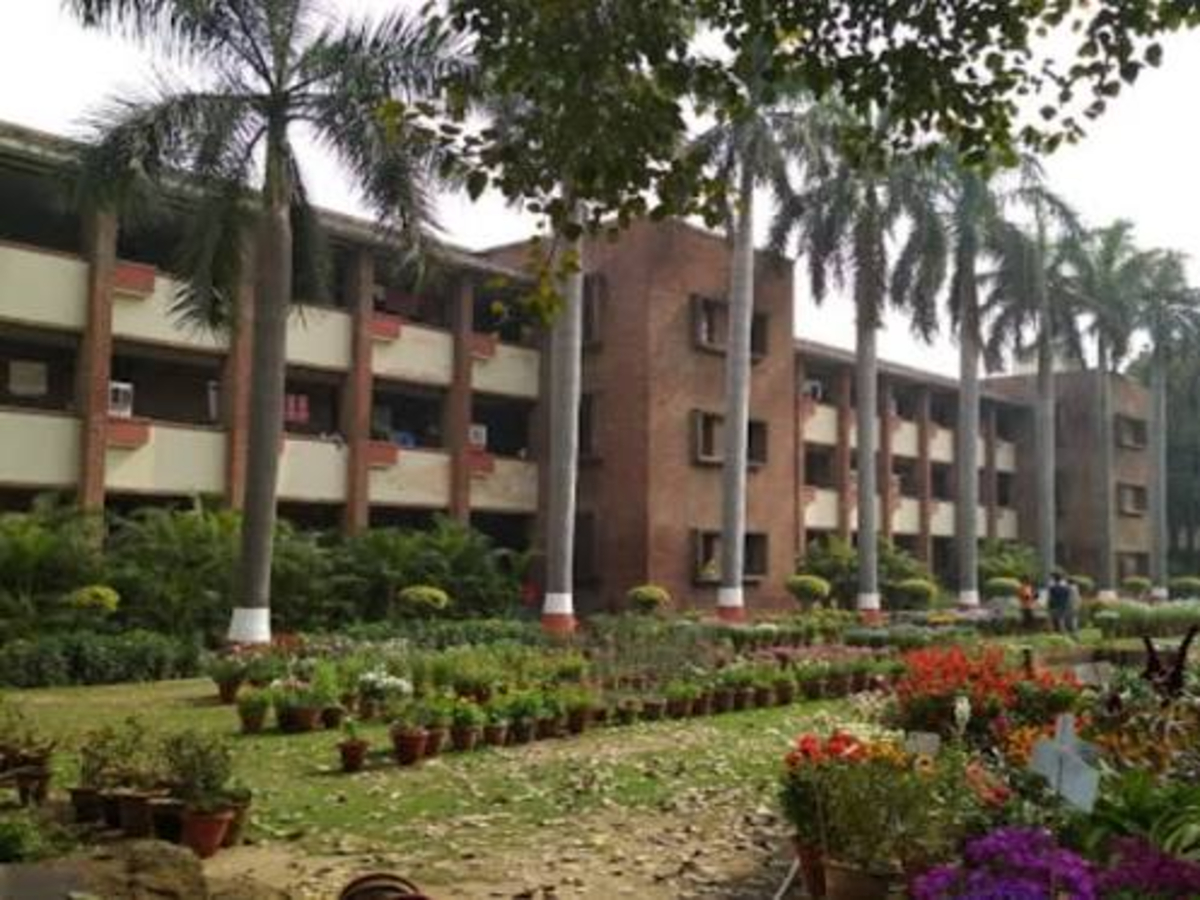
Now, Jubilee Hall faces the prospect of demolition.
The University of Delhi has proposed replacing it and two other historic hostels with high-rise residential buildings. A 32-storey hostel, designed to accommodate around 7,000 students, is proposed in its place. The plan has brought into focus a familiar dilemma: how can a growing university provide more accommodation without losing an important part of its history?The University of Delhi was established in 1922. In 1947, as it completed 25 years, Jubilee Hall came into existence as one of its early postgraduate hostels. Its establishment was part of the vision of Sir Maurice Gwyer, who served as vice-chancellor from 1938 to 1950 and is widely remembered for his contribution to the development of the university.
Former Ramjas College teacher Raj Kumar Jain, who lived at Jubilee Hall during his student days, says the hostel came into existence as India was moving towards sovereignty and independence. Named to mark the university’s silver jubilee, the building thus acquired a special connection with both the institution’s history and the birth of independent India.
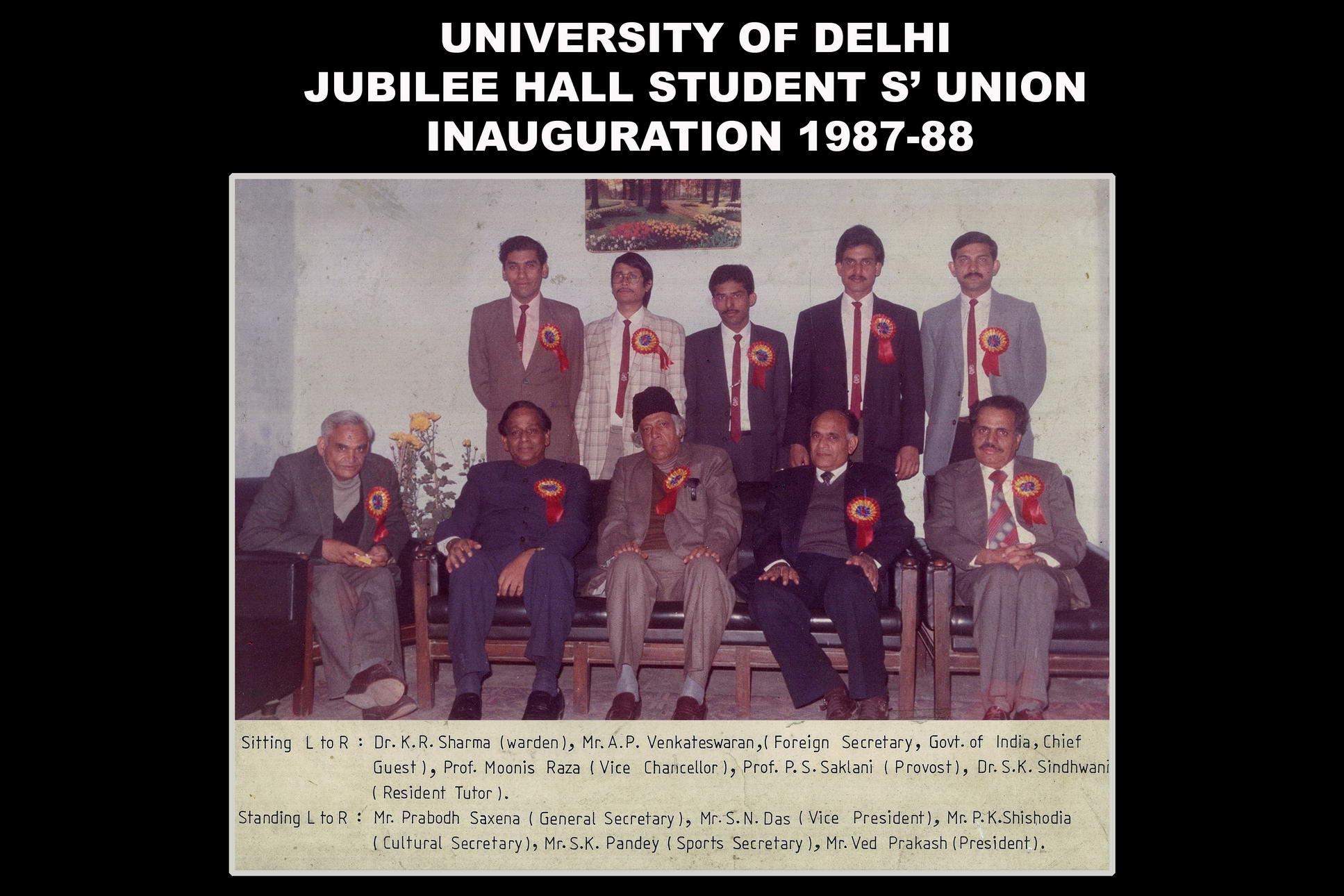
Jubilee Hall was not the only historic hostel on campus.
Gwyer Hall, regarded as the university’s oldest men’s hostel, opened as Law Hall in 1937-38. After closing in 1939-40, it reopened in 1941-42 as the University Lodging House and was subsequently renamed University Hall. The building was completed in 1948 and renamed Gwyer Hall in 1950, in honour of Sir Maurice Gwyer. Its design is associated with Walter Sykes George, the architect also linked to prominent university buildings such as St Stephen’s College, Miranda House and the Faculty of Arts.The name of Jubilee Hall’s architect, however, remains unclear. Another historic institution, the International Students House, was opened by the Indian Council for Cultural Relations in 1964 to accommodate Indian and foreign students. The university took it over in 1968. All three hostels now feature in the university’s expansion plans, which are being justified partly by the shortage of residential space.
More than a residence
Jubilee Hall’s beginnings were modest. In its early days, the hostel functioned in barracks near the Faculty of Science. Over time, it acquired an identity of its own, shaped by the people who lived there and the life that unfolded on its grounds.
“Beneath its peepal, neem and jamun trees, and across its wide lawns, thousands of students have studied, talked and spent important years of their lives,” says Pratap Sehgal, who taught at Delhi’s Zakir Husain College.
Former teachers and students may recall Professor Swarup Singh, who became Master of Jubilee Hall in 1965. He was also principal of Kirori Mal College. During his tenure, the hostel became a meeting place for distinguished visitors who came to speak informally with students.
The gatherings usually took place in the evenings, before dinner. Among those who visited was socialist leader Ram Manohar Lohia. For students, these meetings offered an opportunity to engage with people whose experiences extended well beyond university life, bringing politics and public affairs into the everyday life of the hostel.
Preserving the past
Jubilee Hall’s history is also tied to a defining moment in India’s past. Founded in the year of independence, it belonged to a university expected to prepare young people for the responsibilities of public life and the task of building a new nation.
The university today faces genuine challenges. Delhi needs more student accommodation, and new buildings may be necessary to meet growing demand. But development does not always have to mean demolition. Before removing a historic structure, the university could consider whether its architectural character, trees, lawns and history can be preserved alongside modern facilities. Even if a new building is eventually constructed, the original hostel’s story deserves a permanent place on campus.
On one side stand Jubilee Hall’s red bricks, its trees, the shade of the Delhi Ridge and the memories of generations of students. On the other stands the changing demand for space in a growing university.
Jubilee Hall was born in the year of India’s independence. Whether its history disappears with the old building or finds a place in the new one will depend on how seriously the university treats its heritage.