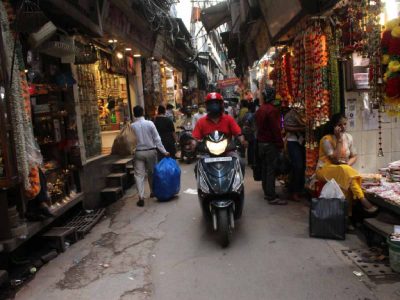
With Diwali approaching, the Delhi government has directed the Municipal Corporation of Delhi (MCD) to intensify its cleaning operations across the Capital. The instructions include stepping up night-time sanitation in residential colonies and major markets, clearing garbage dumps and deploying additional sanitation workers to improve cleanliness ahead of the festival.
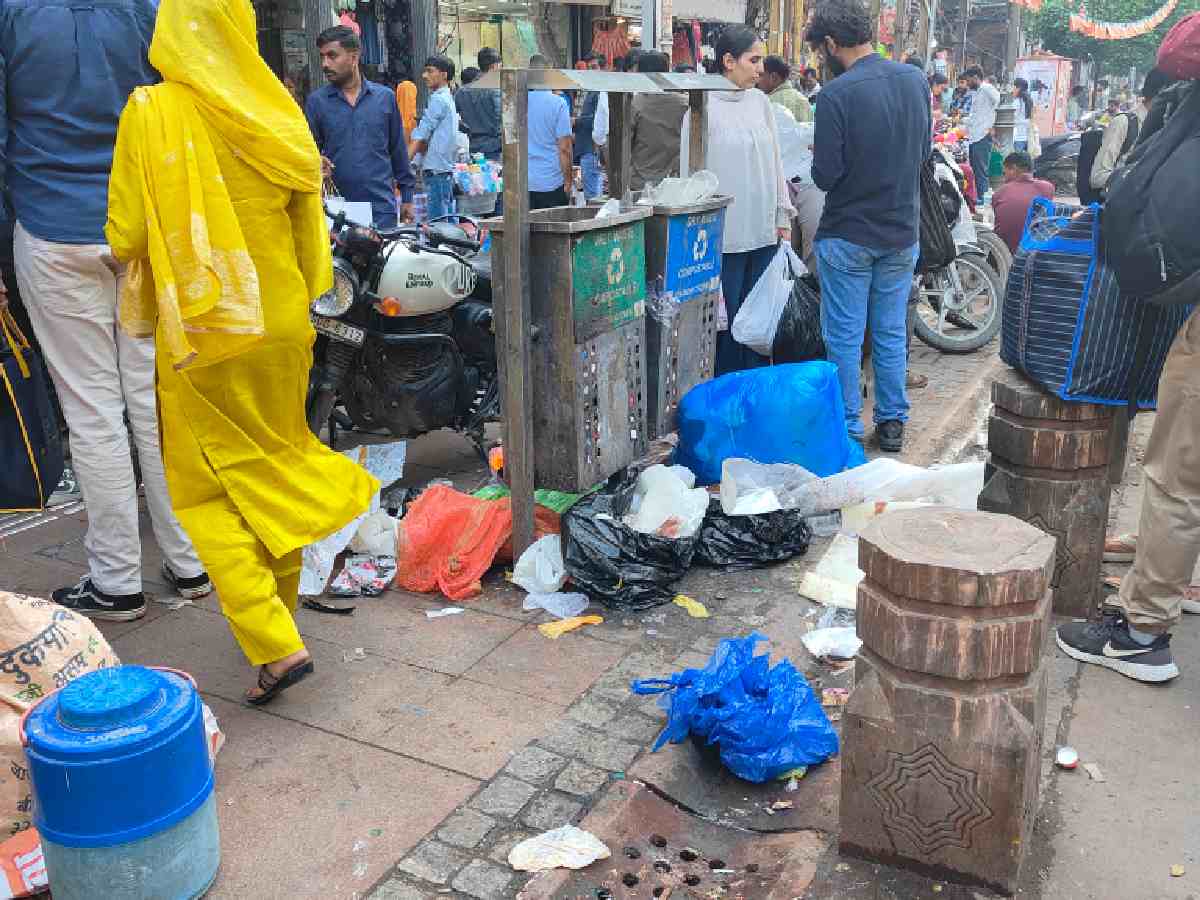
But a visit to three of Delhi’s busiest shopping destinations — Lajpat Nagar, Chandni Chowk and Sadar Bazar — reveals an uneven picture. While Lajpat Nagar’s Central Market appeared relatively clean, garbage remained visible in several stretches of Chandni Chowk and Sadar Bazar. No MCD sanitation workers or garbage collection vehicles were visible in the areas covered during the visits.
The contrast raises a larger question: as the city prepares for the festive rush, are the government’s cleaning instructions making a visible difference in the markets that need it most?
Visible improvements
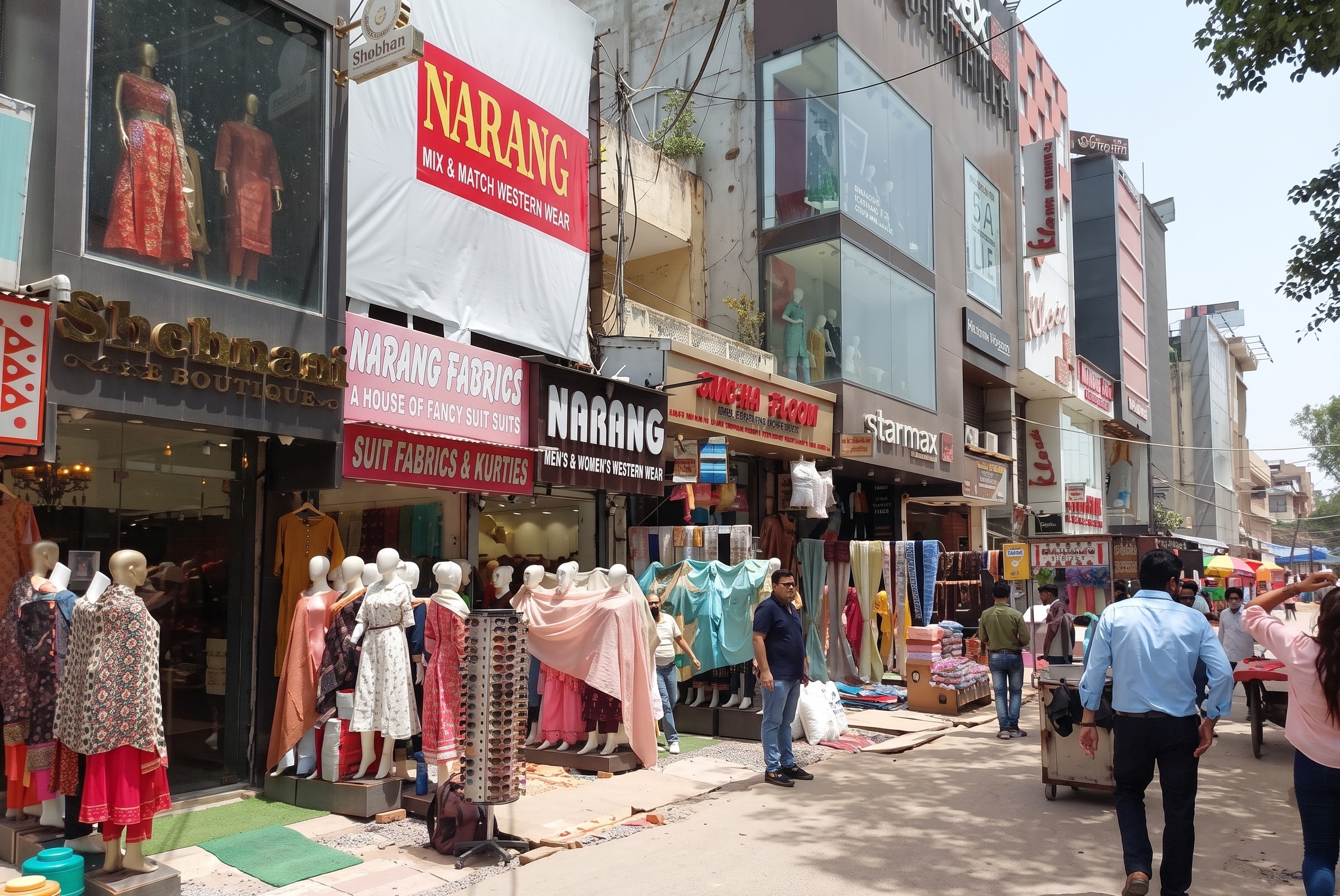
At Lajpat Nagar’s Central Market, the situation appeared considerably better. Shoppers and traders said sanitation arrangements were generally regular.
“I have never seen this market extremely dirty. Of course, some garbage is inevitable in a busy market where people come and go, eat and drink. But it is not excessive. The market looks relatively clean now and is usually clean as well,” said Simran Juneja, a shopper at Central Market.
Shopkeepers also pointed to the regular presence of sanitation workers and garbage collection vehicles.
“The market is usually clean. MCD workers are also present here. Garbage collection vehicles come in the morning, afternoon and evening, and cleaning takes place regularly,” said Madhav Prajapati, who runs a dupatta stall in the market.
SP Meena, Sanitation Suprintendent of Lajpat Nagar, said the local team is making efforts to maintain cleanliness through regular interventions.
Also Read: Diwali melas: full stalls, thin margins
“We are doing our best. We are running a Fatigue Programme- a special cleanliness programme for fatigue points. Fatigue points are chronic garbage-vulnerable areas, blackspots, or locations where public sanitation infrastructure frequently fails or gets overwhelmed, every day at noon. We have a special sanitation arrangement for the market and are also spreading awareness about the use of dustbins. We carry out cleaning according to the requirement of the area,” Meena said.
Garbage part of experience
In Chandni Chowk, however, the situation appeared different. Despite being one of the national capital’s busiest shopping destinations, several stretches were visibly dirty. No MCD sanitation workers or garbage collection vehicles could be spotted in the areas Patriot visited.
For traders, the problem is not simply the occasional accumulation of waste but the lack of consistent cleaning.
“Cleaning happens occasionally. They keep saying that sanitation workers come at night, but during the day, everything looks the same. Even when cleaning does take place, the garbage remains,” said Ram Kumar, a jewellery shop owner.
Lalit Singh, a gota-patti lace and other embelishments shop worker, said the condition of the market’s inner lanes made regular cleanliness difficult.
“These lanes of the market can never really remain clean. There is hardly any cleaning here. Even in the area where street vendors used to set up their carts, garbage continues to accumulate. It gets cleaned occasionally, but the filth remains,” he said.
Also Read: 300 detainees and a hostage crisis: inside Delhi’s largest detention centre
Singh added that traders also made efforts to avoid littering but expected the civic body to ensure proper sanitation.
“We also take considerable care not to spread garbage, but ensuring proper cleaning is the government’s responsibility. Cleaning does happen once in a while, but it is never carried out properly or regularly,” he said.
The condition of the market is also a concern for visitors, particularly those navigating its crowded lanes during the festive shopping season. Sneha Rajput, who was visiting Chandni Chowk to shop for her sister’s wedding, said the state of cleanliness had become difficult to ignore.
“Chandni Chowk cannot really be clean at the moment. If you are able to stand and walk properly, that itself is what passes for a clean Chandni Chowk. You will find garbage everywhere, especially towards Paranthe Wali Gali, where the food stalls are located. There is a lot of filth in those areas,” she said.
For a market that attracts shoppers from across Delhi and beyond, the condition of its lanes remains a pressing concern, especially as the festive rush increases footfall.
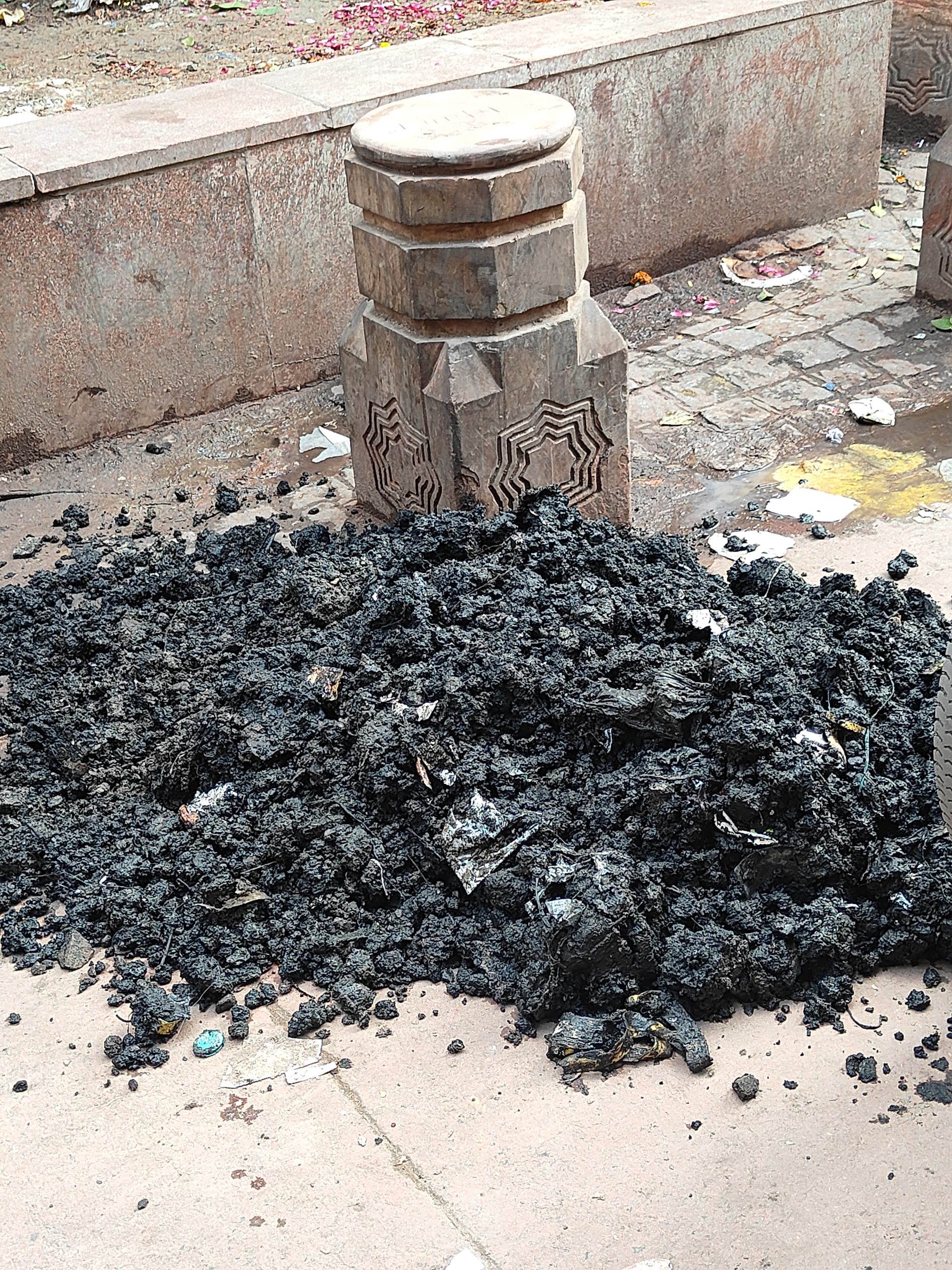
Congestion meets poor sanitation
At Sadar Bazar, another major shopping destination ahead of Diwali, several stretches Patriot visited appeared dirty, with no MCD sanitation workers or garbage collection vehicles in sight.
For shoppers, navigating the crowded market is already a challenge. Mamta Choudhary, who was there to buy Diwali decorations, said the congestion made moving through the market particularly difficult.
“Chandni Chowk is at least relatively easier to navigate, but in Sadar Bazar, the moment you enter, you have to deal with the crowd. There is hardly any space to even put your feet down. You have to keep moving through the crowd,” she said.
Also Read: Delhi’s cricket clubs await new sports law for elusive DDCA membership
While Choudhary spoke primarily about congestion, the condition of the market’s lanes adds another concern for shoppers already struggling to move through the crowds. With the festive season bringing more visitors, the need for regular waste collection and accessible market lanes becomes even more pressing.
MCD response awaited
The concerned MCD authorities for Chandni Chowk and Sadar Bazar did not comment on the sanitation conditions observed in their respective markets or the implementation of the intensified pre-Diwali cleaning instructions.
Their response would have been important in establishing whether additional sanitation workers had been deployed, how frequently garbage collection vehicles were operating and what measures had been taken to address the complaints raised by traders and shoppers.
The effectiveness of the clean-up drive needs to be assessed through more than general instructions. Details of ward-wise sanitation worker deployment, night-cleaning schedules, garbage collection frequency and the identification of recurring dumping points would help establish whether the drive is reaching the markets that need it most.
A cleanliness drive cannot be judged by the orders issued from government offices. Its real test is whether the streets are clean when the markets open, whether garbage is collected before it piles up, and whether sanitation workers are present where they are needed.