
The collapse of a two-storey building in Gali No 6 in Shahdara’s Jwala Nagar on November 17 killed two people and injured four. The building had served as both a workplace and a home. Its ground floor housed a gajjak manufacturing unit, while tenants and the owner’s family occupied the upper floors.
The deceased were three-year-old Divyansh, also known as Laddu, and 35-year-old Pintu. The four injured occupants were identified as Khushbu, 27; Vikesh, 35; Akash, 25; and Dalip, also known as Dimpa, 22. All six were either living or working inside the premises when the building collapsed at around 10 AM.
The property belonged to brothers Surendar Singh and Veer Singh. The structure had a ground floor, a first floor and a partly constructed second floor. Police arrested the two owners in connection with the collapse. The case was registered under Sections 106, 125 and 223 of the Bharatiya Nyaya Sanhita, according to reports. However, the collapse raised questions about the building’s condition, the maintenance carried out over the years, and whether occupants’ concerns had been addressed before the incident.
The incident comes amid a series of building collapses reported across Delhi in the last two months. Seven people died in the September 6 collapse in Satya Niketan, followed by four deaths in New Seemapuri on October 7 and two in Harsh Vihar on October 25. On November 5, seven people died when an under-construction building collapsed in Chawri Bazar, while a partial collapse at an under-construction hotel in Paharganj on November 15 injured eight workers.
Also Read: At 15, he dismantles Delhi’s phones to keep his family afloat
Concerns over cracks
Accounts from families and occupants indicated that the building showed visible signs of deterioration. Tenants reportedly noticed cracks in the walls and complained about the premises’ condition. They also described vibrations inside the building when trains passed along the nearby railway line.
The occupants’ accounts suggested that maintenance had not kept pace with the structure’s condition. Kanhaiya Paswan, Divyansh’s father, told Patriot, “My family had lived in the building for several years, and we had previously managed smaller repairs on our own. We paid for routine work such as minor repairs and whitewashing instead of receiving the maintenance we expected from the owners.”
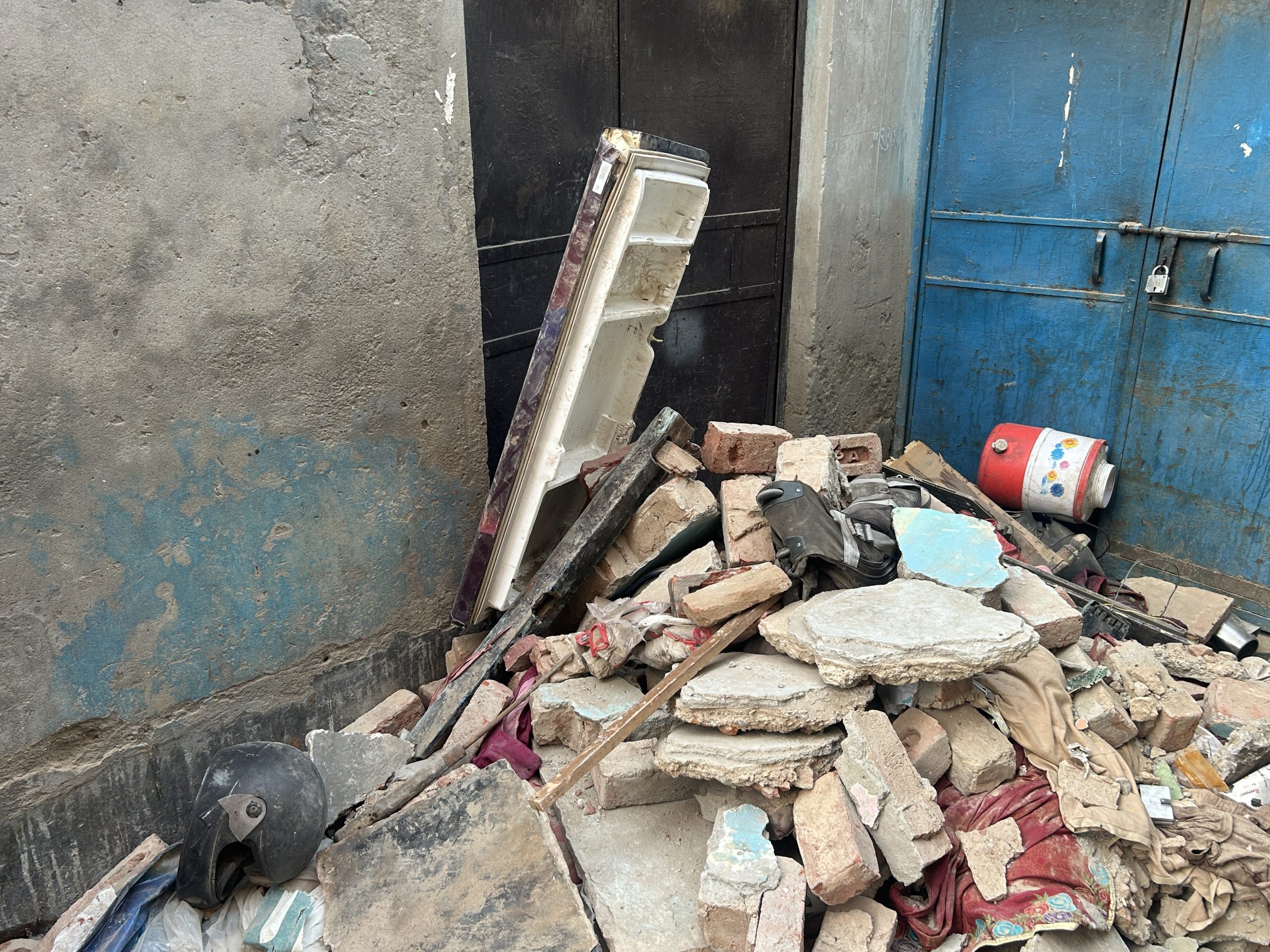
Kanhaiya said the family had raised concerns about the building’s condition, including wall cracks and leaks during the monsoon. According to his account, the roof leaked when it rained, and the rooms’ condition had worsened over time. He blamed the lack of attention to repairs for the tragedy and sought strict action against those responsible for maintaining the property.
The family’s loss extended beyond the damage to the building. Divyansh’s grandfather Suresh Paswan said he was not present when the collapse took place. He believed that if he had been home, the child might have been outside or away from the part of the building that collapsed.
Also Read: Delhi going through another bleak cricket season, barring a few bright spots
Vikesh, one of the injured occupants, also described being caught under the falling structure. He said he had suffered a head injury and lost consciousness after the roof collapsed. He was unable to recall who pulled him out or took him to the hospital. He regained consciousness later and learnt about the death in the family from a relative.
Train vibrations
The MCD’s preliminary report described the building as approximately 40-50 years old. It stood on a plot of around 20 square yards and had a roof made of red stone slabs supported by iron girders.
The report placed the property about 24 metres from the railway line and identified it as encroaching on railway land. It also noted that vibrations caused by passing trains could have contributed to the incident.
Residents in the area have also raised concerns about repeated vibrations from passing trains. Omprakash, 53, a resident, told Patriot, “The movement is noticeable inside houses whenever trains pass. People in the locality have concerns about the effect these repeated vibrations could have on older structures.”
Meenakshi Gupta, 37, said the bigger concern was the condition of the buildings and the absence of regular maintenance. “People here have been living in these houses for years. Some properties have undergone additional construction, but nobody really knows whether the foundations can bear the extra load. The problem is not just the railway line, but the condition of the buildings also needs attention,” she said.
Sanjay Yadav, 58, pointed to the growing number of commercial activities operating out of residential properties. Yadav added, “Many buildings are used for both residential and commercial purposes. Workshops and manufacturing units operate on the ground floors, while families live upstairs. There should be proper checks to ensure these buildings are safe for both workers and residents, but what usually happens is that landlords don’t really care about safety; they try to ignore it and save their pockets.”
District Magistrate Ajay Kumar said cracks had been noticed in the portion of the structure that remained during debris removal. The administration also directed the Revenue Department to verify the ownership of properties located along the railway line.
MCD inspections
The collapse has placed the MCD’s system for identifying dangerous buildings under scrutiny. The corporation conducts an annual survey of houses and buildings, particularly before the monsoon, to identify structures that may require repair or other action.
The MCD’s pre-monsoon survey had identified 51 buildings as dangerous after inspecting around 30 lakh houses across Delhi, according to a report published by The Indian Express on November 20. However, a subsequent consolidated report dated October 12, reported by The New Indian Express on October 15, listed 81 dangerous buildings and 553 properties requiring repairs. The latter report stated that 30,66,188 houses had been surveyed against a target of 32,55,909, covering 94.17 per cent of the total. The two figures reflect different reporting updates of the civic body’s survey.
At the MCD Standing Committee meeting on November 19, Municipal Commissioner Sanjeev Khirwar discussed proposed changes to the Unified Building Bye-Laws, 2016. The proposal would make owners of buildings older than 15 years responsible for arranging periodic structural inspections and obtaining safety certificates. Buildings older than 50 years would face separate requirements. The corporation has around 660 empanelled structural engineers who could be involved in such assessments.
The commissioner also acknowledged the difficulty of deploying municipal staff to inspect every building across Delhi, which has an estimated 40-50 lakh structures. The proposed system would therefore place a greater responsibility on property owners to arrange technical inspections and maintain safety records. As of November 23, the changes remained under discussion and had not yet become an implemented citywide requirement.
The MCD is also preparing a wider survey of more than 40 lakh buildings following directions from the Union Ministry of Home Affairs.
The scale of the exercise is substantial. Estimates reported on the proposed survey suggested that examining more than 40 lakh buildings would require around 40 lakh person-hours. With 500 personnel working exclusively on the exercise, the work could take about 1,000 working days, or roughly four years. The first stage would create a database and identify properties that may need further examination; it would not amount to a detailed structural audit of every building.
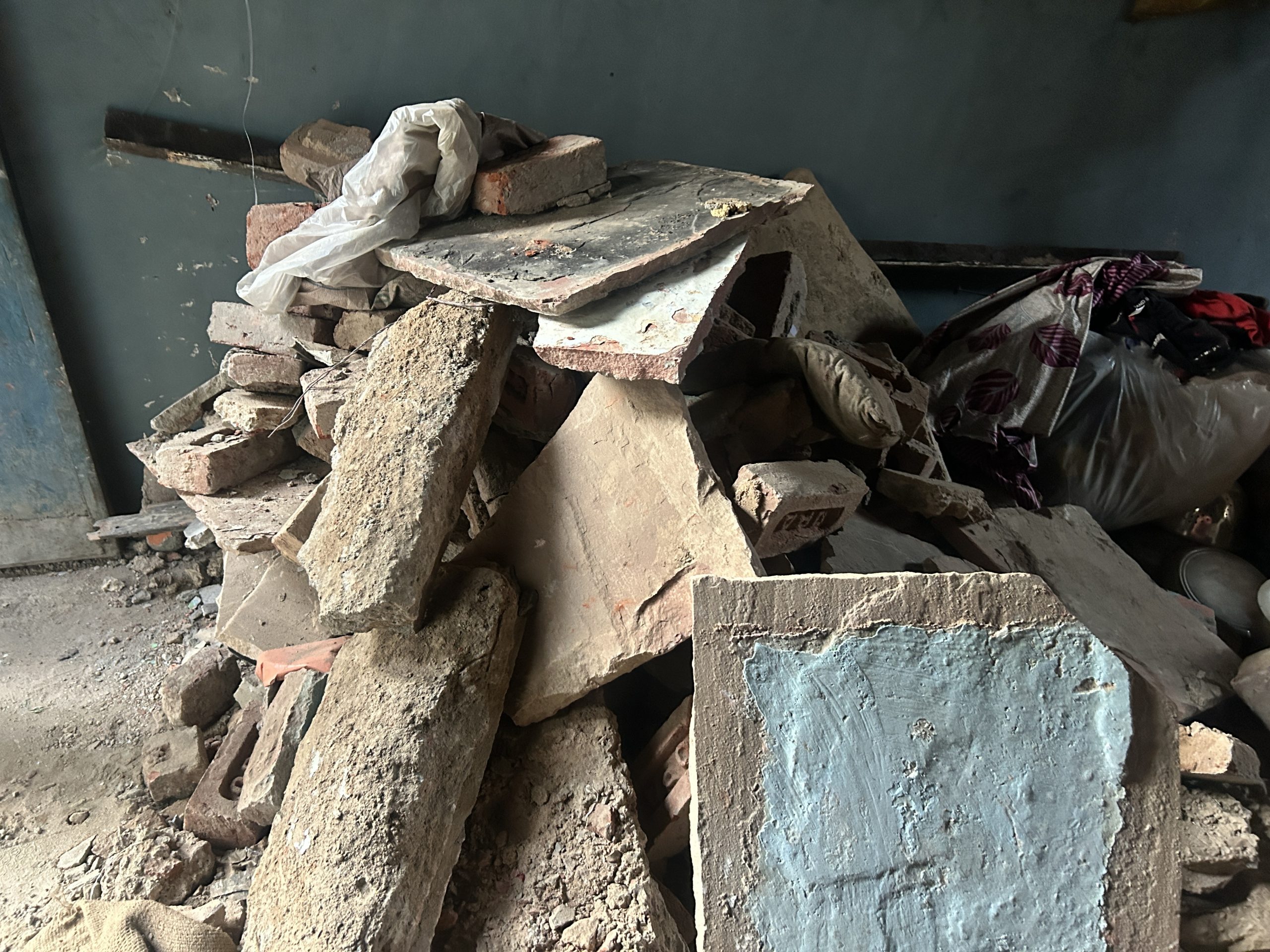
When Patriot sought a response from the MCD administration about the action being taken after the Jwala Nagar collapse, an official from the Shahdara South Zone said work was underway. The corporation did not provide a consolidated figure for the number of buildings being checked in the area or a timeline for completing the inspections.
The MCD Act gives powers to address buildings considered dangerous. Sections 348 and 349 allow the corporation to take action in cases involving unsafe structures, including requiring occupants to vacate and directing repairs or demolition in accordance with the law. The effectiveness of these provisions depends on identifying dangerous buildings in time and acting on the findings.
Investigation remains incomplete
As of November 23, the publicly reported preliminary findings had not established the final cause of the Jwala Nagar collapse. The police investigation, the ownership verification and any technical assessment will be important in determining how the building failed and whether earlier action could have prevented the deaths.
For the families, the immediate concern is accountability for the loss of Divyansh and the factory worker Pintu. For other residents of Jwala Nagar, the incident has raised concerns about the condition of ageing buildings in the neighbourhood. For civic authorities, it has brought renewed attention to the gap between identifying visible damage and assessing a building’s structural safety.
The investigation’s findings and the actions taken after the collapse will show whether the incident leads to changes in how Delhi identifies and monitors old, potentially unsafe buildings.