By- Anushka Srivastava
Defence Colony D Block resident Pramodh Chopra sits in the club and thinks back to the early 1960s. Every day at 4 PM, he and his father would set out with their dog and walk the length of the colony. Some days he went with his grandmother instead, and the walk ended with warm tandoori rotis.
“It was basically a sort of jungle,” said Chopra, adding, “There were hardly any houses around us. It was all trees, open spaces and familiar faces. On the main road, there were benches every 200 yards.”
Today, he can’t imagine taking that walk.
Defence Colony was built after the Partition. In 1947, newly independent India allotted land in South Delhi to resettle serving military officers whose homes were left behind across the border. The neighbourhood was meticulously planned: 1,618 residential plots in five zones, with a market, small parks, a few schools and hospitals.
With the allotment of the plots completed by the 1950s, most homes, often single-storey, were built in the first half of the 1960s. Then the city changed around it.
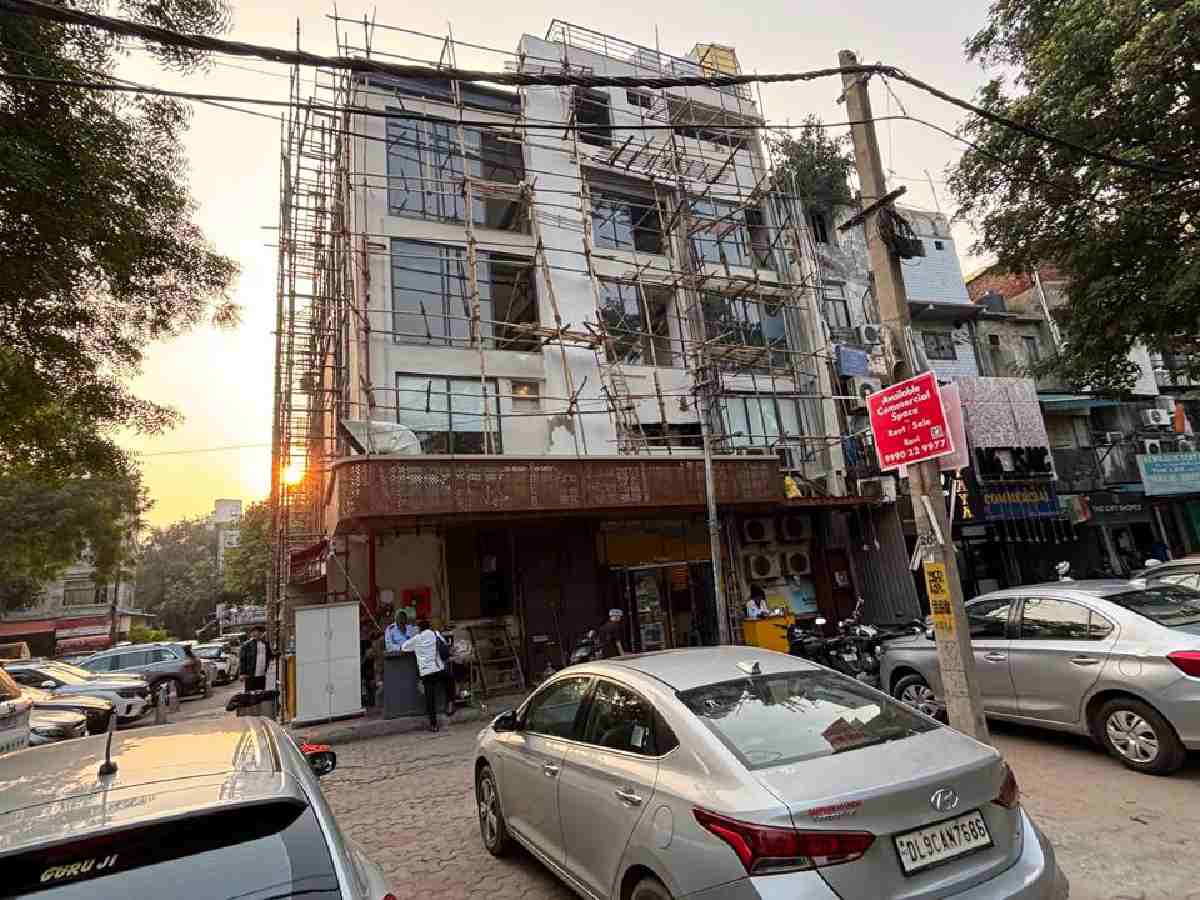
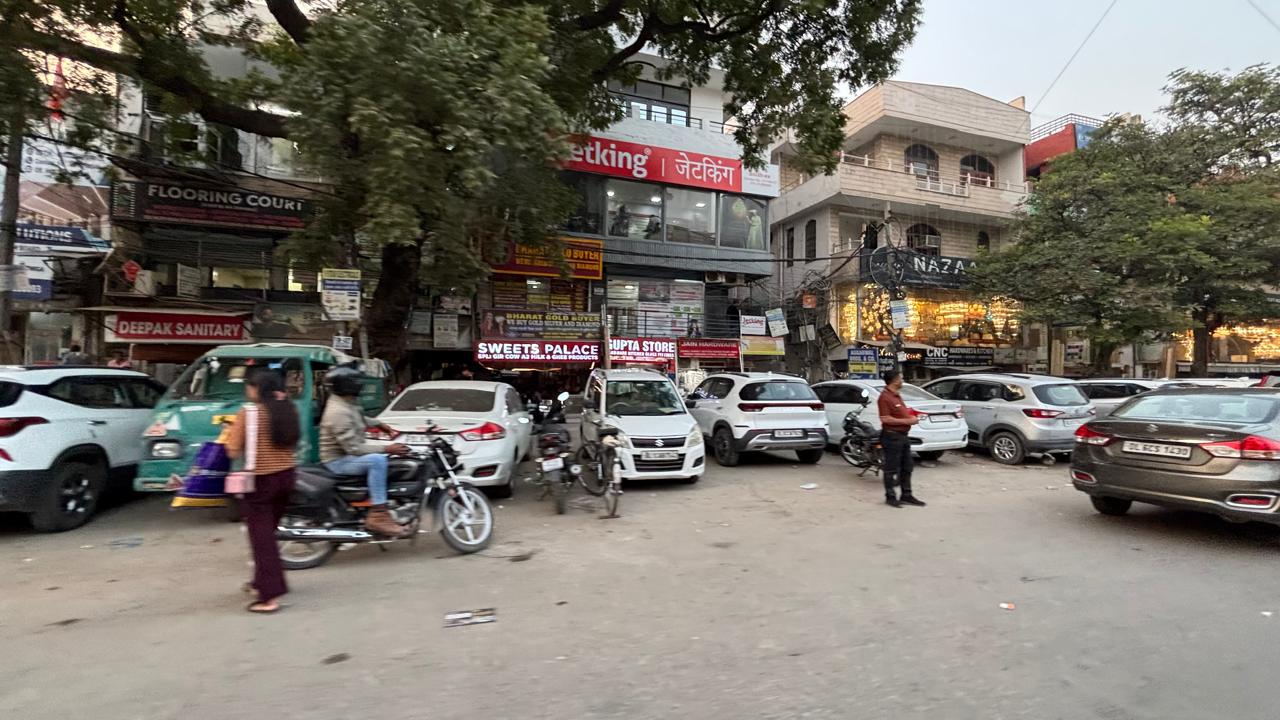
As India’s economy opened to global markets, rents rose and so did the value of the extra space. Owners built out onto their terraces, and under newer building rules, single-storey houses grew into three- or four-storey buildings. Banks, designer stores, restaurants, law offices and, more recently, art galleries followed. Today, “Def Col” is where young Delhi goes to chill with their friends.
Also Read: A 50-year-old building, a railway line, and warnings that went unheeded
But Defence Colony was not designed to bear the brunt of such intense commercialisation, say its residents.
“The colony has lost its character. It was meant for military officials. Now the spirit of the place has been diluted by this profit-motivated growth,” said Chopra.
Visible change
The change is visible beyond the shops and restaurants that now dot its streets.
For residents, the growing commercial activity has also meant sharing a neighbourhood designed for a few thousand households with an ever-increasing stream of visitors.
“My mornings used to start early with a cup of coffee on my terrace as I admired the serene neighbourhood. But now I cannot bear to get out, what with all the honking and the constant ebb and flow of delivery guys,” said a 70-year-old resident from D Block, on the condition of anonymity.
With new cafes and restaurants coming up in the neighbourhood, the beautiful locality has become the hub of activities.
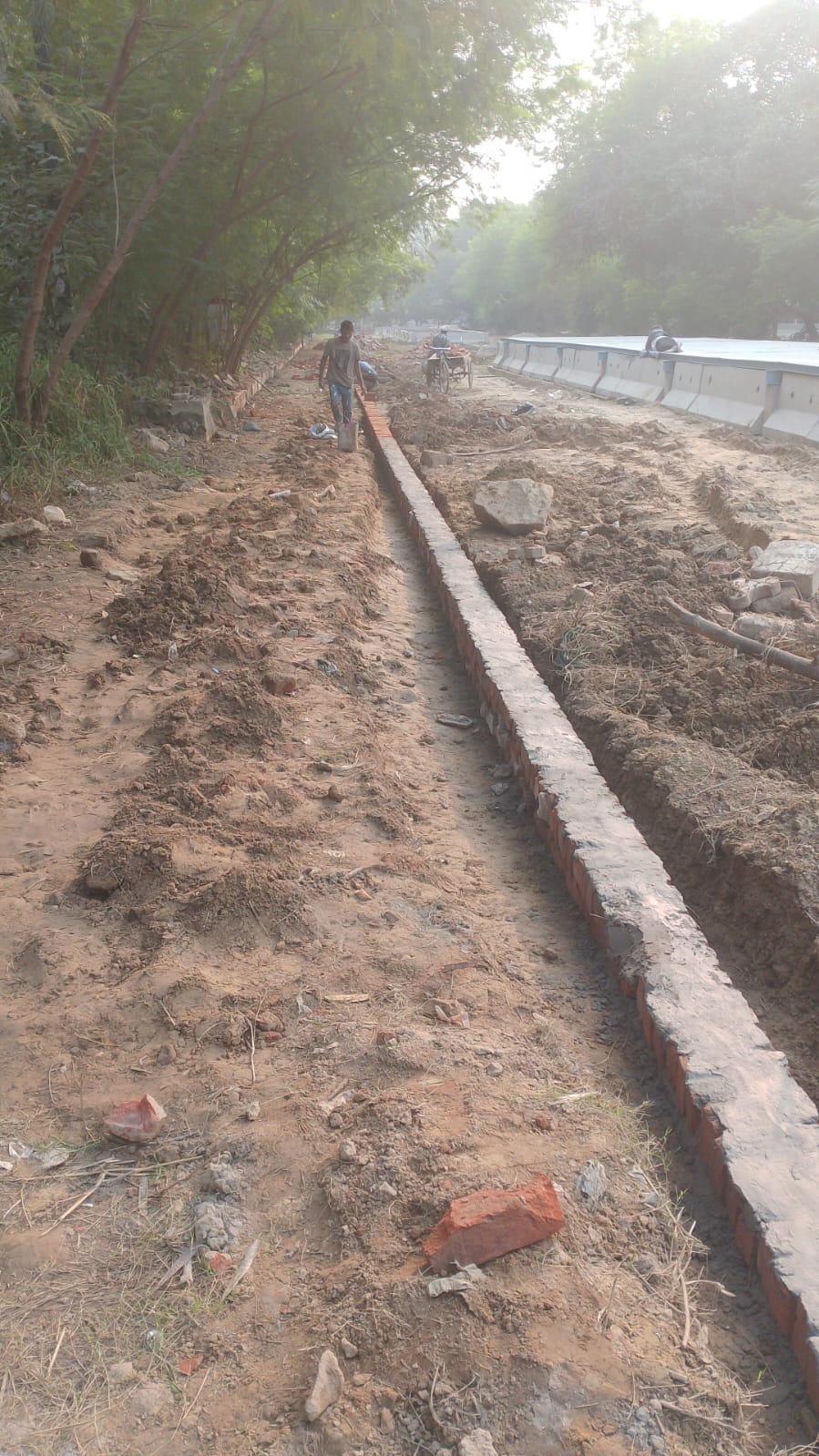
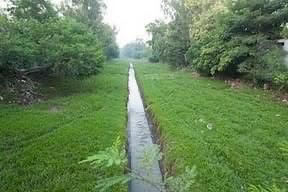
Adding to this noise is the stench that haunts the residents of Defence Colony. As one walks towards Blocks C and D, it is hard to ignore the open Kushak Nullah. The stench rises from the drain, hanging over the road as pedestrians hurry past.
Also Read: For PUC centres, but who checks the machines?
Kushak drain carries stormwater and sewage from various South Delhi colonies, including Mehrauli, Badarpur Road, Chirag Delhi, INA, Defence Colony and Pushp Vihar. Due to years of neglect, unauthorised sewage discharge, construction debris and garbage, the spot has become not just an eyesore but also a major health and sanitation concern.
“An overburdened drainage network, roads deteriorating from years of wear and neglect, and manholes spilling over have become a recurring problem in the colony,” said Major (Retd) Ranjit Singh, President of the Defence Colony Welfare Association and a 1971 War veteran.
The strain on the sewage network became painfully evident in 2024 when flooding submerged the basement and ground floor of a house in one of Delhi’s most affluent neighbourhoods, resulting in huge losses.
While there have been no more floods for the past two years, the locality’s demography is undergoing major shifts.
‘Residents to blame’
The war veteran pins the blame on the original residents.
“As building regulations changed, the original residents began adding floors to their houses, often going up to three or four storeys. Many rented out these additional floors or sold their properties as commercial activity picked up. With businesses moving into the area, property values rose manifold. What was once an exclusive residential neighbourhood, largely inhabited by Army veterans and their families, gradually opened up to people from different backgrounds and professions. The character of the colony began changing along with its residents,” he said.
Also Read: Delhi: Women sanitation workers: breathless at work, untreated at home
The changing landscape has also brought a new set of visitors to Defence Colony. Its appeal is no longer limited to its restaurants and cafes. The neighbourhood is gradually finding a place on Delhi’s art map, with nearly 12 galleries operating in the area.
Gallery hopping has become one of the attractions, drawing students, art enthusiasts and curious visitors who spend their afternoons moving between exhibitions.
“I like that I can walk into a gallery without having to know anything about the exhibition beforehand. Sometimes I discover an artist whose work I really connect with, and other times I just spend time looking around. It makes engaging with art feel less intimidating,” said Kamal, a 19-year-old student who frequents Defence Colony.
But while visitors such as Kamal are discovering new reasons to spend time in Defence Colony, some of its oldest residents are finding fewer reasons to stay. For Chopra, who has watched the neighbourhood change over several decades, the transformation has become personal. He is now considering moving out.
“I am definitely considering moving out. I have already started to make a list for potential properties,” he says. The decision is not an easy one. But the pace and nature of change have made staying here less appealing than it once was.