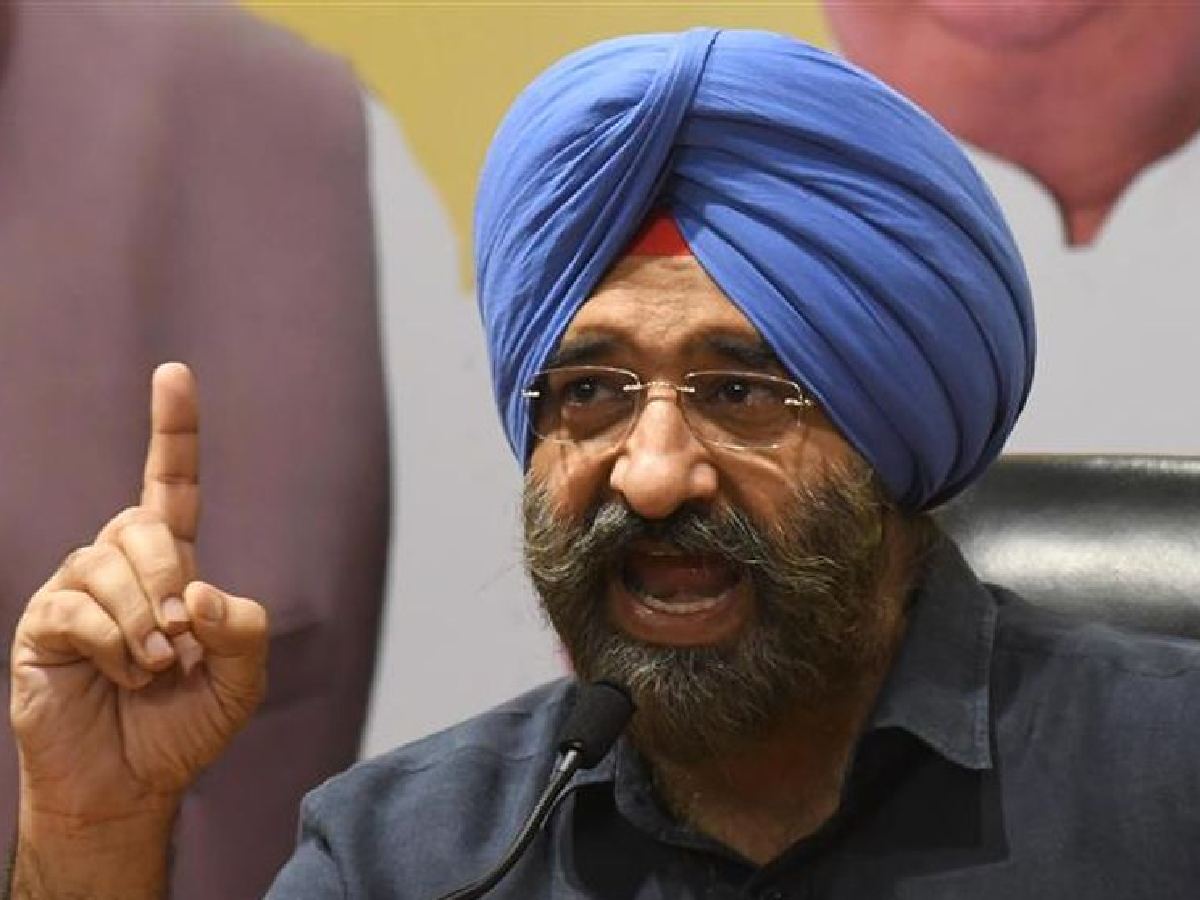
The Delhi government is focusing on scientific waste management, resource recovery and building a “circular economy” to effectively process not only the city’s daily waste output, but also thousands of tonnes of legacy waste across its major landfills, Environment Minister Manjinder Singh Sirsa said.
Interacting with students from the University of Southampton, who presented a study on promoting clean air in Delhi-NCR, Sirsa highlighted the enormous scale of the waste-management challenge the capital faces.
“Delhi is not dealing only with the waste generated today; we are also taking on the legacy waste accumulated over years,” he asserted.
The minister highlighted initiatives for e-waste processing and battery-waste recycling, saying the government is seeking to strengthen systems for recycling, recovery and responsible management of emerging waste streams through a circular economic model.
Circular economy, as opposed to the linear “take-make-waste” approach, eliminates waste by keeping products and materials in use.
Sirsa said the government is also working to expand electric bus services and strengthening green mobility as part of efforts to create a cleaner and more sustainable transport system.
On industrial pollution, Sirsa said efforts are underway to strengthen effluent treatment in industrial areas and ensure that untreated industrial waste does not enter the Yamuna.
On the occasion, University of Southampton students presented their study titled “Promoting Clean Air in Delhi NCR”, which describes air pollution in the region as an “airshed” challenge requiring coordinated action across the national capital region.
An airshed approach is a regional strategy for managing air quality that groups areas by shared wind, weather, and geography.
The study also recommends emission-based transport regulations, improved standards for brick kilns, creating economic value for crop residue, formalising recycling through existing informal networks and promoting cleaner cooking.
It also calls for a forecast-led airshed management system integrating satellite observations, ground monitoring, meteorological forecasting and source-apportionment data to enable coordinated action across the region.
Also Read: Satya Niketan collapse: Families recall last conversations with victims
Welcoming the students, Sirsa said young people and academic institutions could contribute new ideas to address Delhi’s complex environmental challenges.
He said the government is keen to work with young minds to develop practical and transformative solutions in this regard.
Secretary, Environment and Forest, Delhi, V K Bidhuri, was also present during the interaction.
At least 50 cases have already been reported this month; NCPCR guidelines mandate help desks,…
DMRC says zero reduction in train trips, attributes decline to security measures and public apprehension…
A Delhi court denied bail to a former DU professor accused of raping a student,…
Delhi Police charged seven dhaba workers in the fatal beating of a Manipuri musician who…
Seven Delhi STPs failed DPCC standards in September, dumping high levels of faecal coliform and…
AISA chief Neha Bora petitioned the Delhi HC against a police notice requiring a peace…
