Pollution Clinic
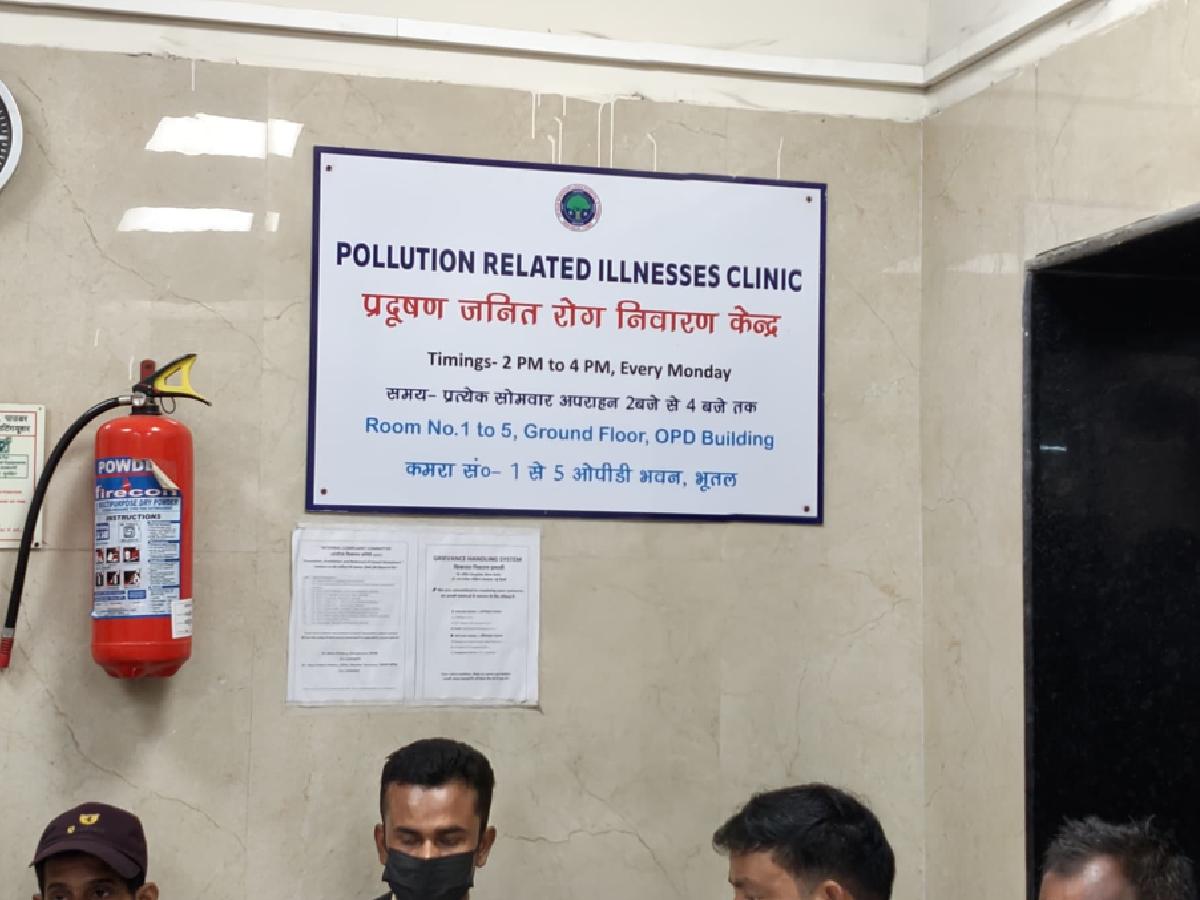
As Delhi continues to battle toxic air and rising pollution-linked ailments, with the national capital’s air quality slipping to “very poor” on November 3, Dr Ram Manohar Lohia (RML) Hospital has launched a dedicated Pollution Clinic to provide specialised treatment for patients suffering from smog-related illnesses. The clinic, a first-of-its-kind in a Central government hospital, aims to tackle the growing public health emergency triggered by the city’s worsening air quality.
The clinic, which began operations two years ago, brings together specialists from multiple departments—respiratory medicine, ENT, dermatology, ophthalmology, and psychiatry—to address the wide-ranging health effects of air pollution. It is currently operational on Mondays from 2 pm to 4 pm.
Speaking to Patriot, Dr Pulin Gupta, Professor of Medicine, said, “Delhi’s air pollution has reached alarming levels, and we are witnessing an increase in patients suffering from respiratory distress, eye irritation, skin allergies, and anxiety. The Pollution Clinic will ensure that such patients receive multi-disciplinary care under one roof.”
“The idea behind starting the clinic is to bring doctors from all departments together so patients can receive treatment without having to run from pillar to post,” he added.
At present, the patient footfall is low, which is why the clinic operates only on Mondays between 2 pm and 4 pm. However, the timings may be extended depending on patient turnout.
The clinic has five rooms, each assigned to a doctor from a specific department to ensure patients receive treatment in a hassle-free manner.
Rising cases prompt urgent response
Over the past month, Delhi’s air quality has hovered between the “very poor” and “severe” categories, with PM2.5 levels often exceeding safe limits by 15 to 20 times. Hospitals across the city, including RML, have reported a surge in patients complaining of breathlessness, chronic cough, eye burning, and allergic flare-ups.
Dr Amit Jindal, Consultant, Respiratory Medicine, said the decision to start a dedicated clinic stemmed from a visible spike in pollution-linked cases. “We used to see such cases seasonally, but now they have become a year-round occurrence. Children, elderly citizens, and outdoor workers are particularly vulnerable,” he said.
According to Dr Jindal, the clinic will also record and study pollution-related symptoms to generate data that could inform future government policies. “We need systematic documentation of how air pollution affects different organs and age groups. Our clinic will help build that evidence base,” he added.
Also read: Massive fire near Rithala metro station in Delhi engulfs hundreds of shanties, 1 dead
A multi-speciality approach
Unlike general OPDs where patients are referred from one department to another, the Pollution Clinic allows patients to access multiple specialists in a single visit.
“Air pollution doesn’t affect only the lungs—it impacts the skin, eyes, mental health, and immunity. So, we’ve created an integrated model where a patient with breathing difficulty, skin rash, and anxiety can be examined by all relevant doctors in one sitting,” explained Dr Jindal.
He added that if a patient arrives in a serious condition and requires admission, the hospital’s seven-ward medicine department facilitates it. “In case of an emergency, we refer the patient to the emergency ward, from where specialised doctors take over treatment,” he said.
The clinic also focuses on awareness. “We want to educate patients about prevention—using masks correctly, staying indoors during peak pollution hours, maintaining hydration, and investing in air purifiers if possible,” he added.
Health issues from air pollution
Dr Jindal said, “Air pollution is not just a seasonal nuisance—it is a silent killer that affects nearly every organ in the body. Prolonged exposure to pollutants like PM2.5, nitrogen dioxide, and carbon monoxide increases the risk of chronic respiratory illnesses, heart disease, stroke, and even cancer.”
“In recent years, we’ve seen a clear rise in young patients developing early symptoms of lung damage and cardiovascular stress—conditions earlier seen mostly in older adults. What’s most concerning is that these fine particles penetrate deep into the bloodstream, causing systemic inflammation that weakens the body over time. If immediate steps are not taken to curb emissions and improve air quality, Delhi will soon face a full-blown public health emergency,” he warned.
At least 50 cases have already been reported this month; NCPCR guidelines mandate help desks,…
DMRC says zero reduction in train trips, attributes decline to security measures and public apprehension…
A Delhi court denied bail to a former DU professor accused of raping a student,…
Delhi Police charged seven dhaba workers in the fatal beating of a Manipuri musician who…
Seven Delhi STPs failed DPCC standards in September, dumping high levels of faecal coliform and…
AISA chief Neha Bora petitioned the Delhi HC against a police notice requiring a peace…
