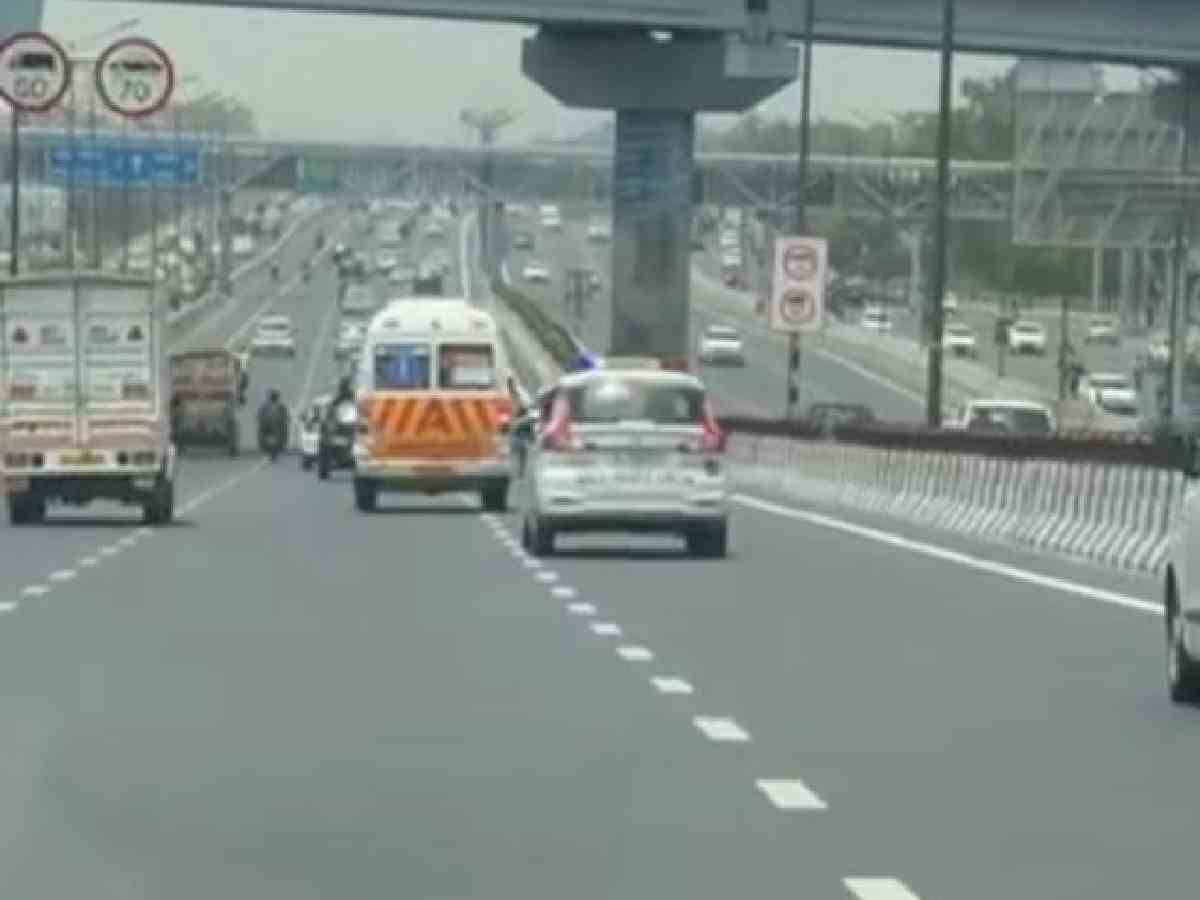
Delhi: In a remarkable display of medical coordination and logistical precision, a live heart was transported from Ghaziabad to Delhi in just 19 minutes, enabling a life-saving transplant for a 49-year-old man suffering from end-stage heart failure.
The heart was retrieved from Yashoda Hospital, Ghaziabad, and transported to Fortis Escorts Heart Institute, Okhla Road, via a specially created green corridor covering 17 kilometres. The organ was moved between 11:40 AM and 11:59 AM, with traffic cleared in real time by the Delhi and Ghaziabad traffic police.
The recipient, battling Ischemic Cardiomyopathy — a condition that severely reduces the heart’s ability to pump blood — had been registered with the National Organ and Tissue Transplant Organisation (NOTTO) since August 2024. His condition had left him dependent on the hope of a timely transplant.
Also read: Once a novel brand, Tihar Jail’s brand TJ now suffering a slump
The donor, a 35-year-old woman, was declared brain-dead following a cerebral aneurysm. Her family’s decision to donate her organs gave a new lease of life to multiple patients. The heart was allocated to Fortis Escorts through NOTTO after a match was confirmed.
Dr Vikram Aggarwal, facility director at Fortis Escorts, credited the success of the operation to the outstanding cooperation between hospital teams and traffic authorities. “We are immensely grateful to the Delhi and Ghaziabad Traffic Police for their swift support. Our deepest thanks also go to the donor’s family for their selfless contribution,” he said.
Also read: Menstrual Hygiene Day | We must normalise menstruation, not hide it: AIIMS gynaecologist
He added that the case exemplifies the hospital’s cardiac expertise and the value of compassionate, coordinated care.
Read more
People with disability are dying from cancers we can actually prevent: study
Cancers: People with disability are missing out on screening programmes that could help detect cancer early, and after diagnosis, are less likely to survive, our study shows. Overall, this means people with disability are more likely to die from cancer than people without disability. We draw together evidence showing the striking inequity at the heart of current approaches to controlling cancer. But there are ways to improve access to the types of screening programmes and cancer services many people without disability use routinely.
Elected to the Delhi Golf Club general committee, Mansher Singh says he wants to build…
A $780 million market built on pavements, where the pleasure of reading meets the price…
Supreme Court advocate Abhishek Pawar alleges women were denied washroom access for seven to eight…
Each day of closure costs shops in Khan Market and Connaught Place between Rs 60,000…
Delhi generates nearly 15,000 tonnes of waste daily, prompting the government to deploy 1,000 mechanical…
Delhi Police has issued an NOC for the Congress rally at Ramlila Maidan on November…
