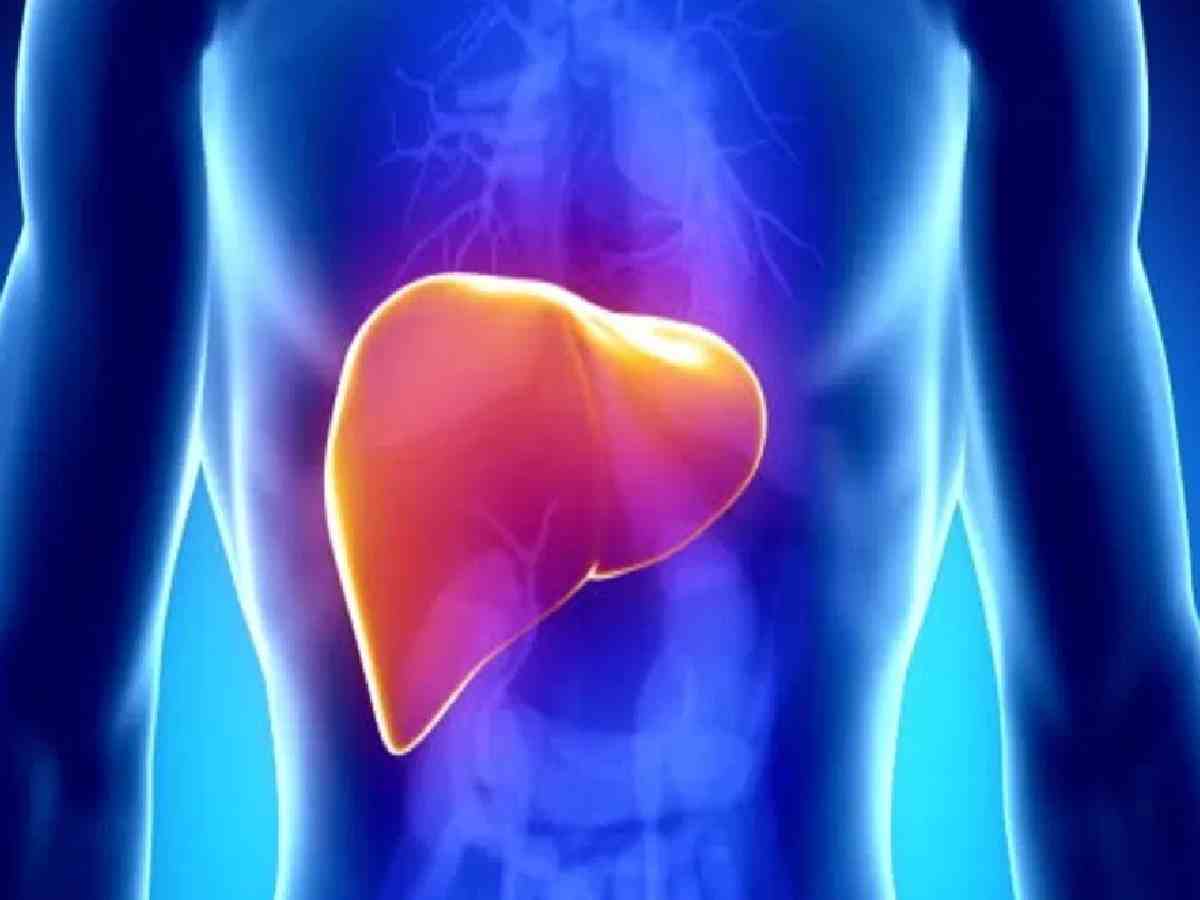
A large-scale meta-analysis led by researchers from the All India Institute of Medical Sciences (AIIMS), New Delhi, and Sanjay Gandhi Postgraduate Institute of Medical Sciences (SGPGI), Lucknow, has raised serious concerns over the growing burden of non-alcoholic fatty liver disease (NAFLD) in the national capital. The condition, which is primarily linked to sedentary lifestyles, unhealthy diets, and metabolic disorders, is emerging as a major public health challenge in urban India, particularly in Delhi.
Published in the Journal of Clinical and Experimental Hepatology, the study is the first systematic review and meta-analysis to estimate the national prevalence of NAFLD in India. The researchers reviewed 50 studies comprising 62 datasets involving over 26,000 participants, many of which included data from Delhi.
Also read: Delhi: 3 hospitals declared ‘sentinel surveillance centres’ for dengue
Delhi among the worst-affected
According to the study, Delhi recorded a combined NAFLD prevalence of 22.8%, based on nine datasets involving over 4,300 participants. Within the city, the prevalence was found to be 16.7% among the average-risk population but jumped alarmingly to 60.4% among high-risk individuals, such as those with obesity, diabetes, and metabolic syndrome.
“These figures are deeply concerning and highlight the need for individuals to be extremely cautious about their diet,” Dr Shalimar, Professor in the Department of Gastroenterology at AIIMS, New Delhi, told Patriot.
This significant disparity underscores the need for urgent public health intervention in the capital, where lifestyle-related ailments are becoming increasingly common. Experts believe these figures may only be scratching the surface due to underreporting and limited community-level data.
A disease hidden in plain sight
NAFLD is often asymptomatic in its early stages, making it difficult to detect without targeted screening. In its more advanced form, it can progress to non-alcoholic steatohepatitis (NASH), liver fibrosis, and cirrhosis. Alarmingly, the disease is now being detected even in children and adolescents in urban centres like Delhi.
Across India, the overall NAFLD prevalence in adults is 38.6% and 35.4% in children, according to the study. In obese children, the rate shoots up to 63.4%, while in non-obese children it remains at 12.4%.
Lifestyle and urban risk factors
Delhi’s urban population is especially vulnerable due to its sedentary work culture, fast-food habits, and limited physical activity. According to the study, urban areas, including Delhi, showed an NAFLD prevalence of 40%, significantly higher than rural regions at 29.2%.
Obesity, diabetes, metabolic syndrome, and high cholesterol levels are key contributors to the disease, and these conditions are rapidly increasing among Delhi’s residents. The capital’s air quality, which affects physical activity patterns, and the growing popularity of processed foods may also be aggravating the situation.
“Ideally, one should minimise the intake of fast food and junk food, and instead opt for homemade meals prepared with less oil. Consumption of sugary items, including sweets, juices and cold drinks, should also be reduced. Homemade food can help lower calorie intake significantly,” Dr Shalimar said, while informing about the lifestyle changes an individual should make in their daily routine.
“For office-going individuals, maintaining better health requires cutting down on high-calorie snacks like samosas and processed foods. Incorporating simple physical activities, such as walking or using the stairs during breaks or after meals, can also make a significant difference,” Dr Shalimar added.
Limited awareness and data
One of the study’s major concerns is the lack of community-level data in Delhi, with most findings drawn from hospital-based studies. This could mean the real numbers are even higher. “Delhi’s true NAFLD burden is likely underreported due to limited large-scale screening programs,” noted Dr Amit Goel from SGPGI.
Moreover, the study flagged the low quality of many existing studies, with 86% categorised as high-risk due to small sample sizes or poor methodology. Most diagnoses were made using ultrasound, which may not effectively detect early-stage fatty liver.
State-wise NAFLD prevalence: A national picture
The study also revealed wide variations in NAFLD prevalence across different Indian states. In Uttar Pradesh, NAFLD prevalence reached 55% overall, with 61.2% in high-risk groups. Haryana reported 25.7% overall, and 59% in high-risk individuals. In southern India, Tamil Nadu reported a combined prevalence of 32.6%, while Kerala stood out with a high 49.8% prevalence among average-risk adults.
In West Bengal, the overall NAFLD prevalence was 14.3% but shot up to 59.1% among high-risk populations. Maharashtra showed an overall prevalence of 29.9%, while Puducherry reported 61% prevalence in the high-risk group. Interestingly, Chandigarh showed 53.5% prevalence among average-risk adults—one of the highest in the country.
These findings suggest that NAFLD is a pan-India issue, though the risk burden is higher in urban and southern states. However, Delhi’s high-risk figures remain among the most alarming, especially given the city’s population density and rising metabolic disorders.
Also read: World Hepatitis Day: Despite vaccines, Delhi suffers liver crisis
Need for targeted policy and intervention
Given the city’s alarming statistics, researchers and health professionals are calling for:
The Government of India has already included NAFLD in the National Programme for Prevention and Control of Cancer, Diabetes, Cardiovascular Diseases and Stroke (NPCDCS).
Experts view
Dr Anukalp Prakash, Director of Gastroenterology at CK Birla, Gurugram, said, “A recent study has revealed concerning trends regarding the prevalence of Non-Alcoholic Fatty Liver Disease (NAFLD) in Delhi, highlighting a significant public health challenge. Based on analysis of nine datasets involving over 4,300 participants, the overall prevalence of NAFLD in the capital was found to be 22.8%. This figure places nearly one in four individuals at risk of complications related to liver health, even in the absence of alcohol consumption.”
“What is especially alarming is the sharp contrast in prevalence between different risk groups. Among the average-risk population in Delhi—individuals without known metabolic disorders—the prevalence stood at 16.7%. While still significant, this figure more than triples in high-risk groups. Individuals categorized as high-risk, including those living with obesity, diabetes, or metabolic syndrome, showed a staggering 60.4% prevalence of NAFLD. This sharp increase underscores how metabolic health issues are closely intertwined with liver disease, and it points to the need for targeted interventions in vulnerable segments of the population,” said Dr Prakash.
“The findings suggest that as lifestyle-related conditions continue to rise in urban India, so too will the burden of NAFLD. Given that the disease often progresses silently until advanced stages, routine screening and early detection—particularly among high-risk groups—should be prioritized. Moreover, public health initiatives must emphasize healthier diets, increased physical activity, and better management of obesity and diabetes to prevent the onset and progression of NAFLD,” he said.
“This study serves as a wake-up call for policymakers and healthcare providers in Delhi and similar urban centers. Without timely intervention, the city could face a growing wave of liver-related health complications, further straining its healthcare infrastructure and adversely affecting quality of life for a significant portion of its population,” Dr Prakash concluded.
A wake-up call for Delhi
NAFLD’s rise in Delhi is a warning bell for policymakers, health institutions, and the public. Left unchecked, it could strain the city’s healthcare infrastructure with increasing cases of liver-related morbidity in the next decade.
Average AQI of 171 in the first week of this month; falling temperatures and stubble…
Delhi Police dismissed claims of disrupting CR Park Durga Puja, stating actions strictly enforced court-mandated…
Gold rods worth Rs 4.03 crore, weighing 3.2 kg, were seized from a Dubai-arriving passenger…
Delhi recorded its coldest night of the month so far, with the minimum temperature dropping…
Elected to the Delhi Golf Club general committee, Mansher Singh says he wants to build…
A $780 million market built on pavements, where the pleasure of reading meets the price…
