The national capital is witnessing an early surge in vector-borne diseases this year, with over 277 dengue cases reported by July 28, according to the latest data from the Municipal Corporation of Delhi (MCD).
In the past week alone, Delhi registered 16 new dengue cases and 12 malaria cases, as per MCD’s official records.
A senior MCD official, speaking on condition of anonymity, attributed the spike to improved and more accurate data collection from hospitals across the city. However, other officials pointed to the early onset of the monsoon and persistent waterlogging as primary causes, which have created ideal breeding conditions for mosquitoes.
The Capital received 259.3 mm rainfall in July, significantly higher than the normal monthly average of 209.7 mm.
Worrying comparison with previous years
Delhi had reported 284 dengue cases by the end of July 2024, eventually closing the year with 6,391 cases and 11 deaths. In 2023, the toll was even worse, with over 9,200 dengue cases and 19 fatalities, marking it as one of the worst years for vector-borne diseases in recent memory.
So far this year, the city has also recorded 124 malaria cases—the highest in a decade—and 17 chikungunya cases.
To curb the outbreak, MCD has intensified vector-control operations across all 12 municipal zones. A recent inspection drive covered over 12,000 premises and detected mosquito breeding at 1,415 locations. This led to the issuance of 939 legal notices and 209 prosecutions for violations of anti-mosquito breeding guidelines.
The civic body deployed fogging teams earlier than usual, sprayed larvicide in over five lakh homes, and introduced larvivorous fish in 279 mosquito-breeding hotspots. Special inspections were also carried out at vertical gardens, construction sites, and tourist destinations, where multiple breeding violations were identified.
Violations found in government buildings
On July 23, MCD conducted a special drive across 266 government offices near ITO, during which 50 premises were found violating mosquito prevention norms.
MCD officials reported that 5,139 containers were inspected, with Aedes mosquito breeding found in 110 of them. Following this, the civic agency issued 44 legal notices and initiated 34 prosecutions.
“Among the buildings where mosquito breeding was detected are ESI Building (ITO), CBSE Headquarters (DDU Marg), Sanskrit Bharti Bhawan (DDU Marg), CR Building (ITO), Vikas Bhawan (ITO), and ITPO complex, among others,” an MCD official said.
He added, “On the other hand, the MCD has served legal notices to Hindi Bhawan (DDU Marg), Lok Kalyan Samiti, District Court (Rouse Avenue), Prasar Bharati, PWD Building (ITO), AGCR Building (ITO), and Dayal Singh Library, citing violations of mosquito prevention norms under the Delhi Municipal Corporation Act.”
The civic agency stated that the presence of mosquito larvae in these government complexes poses a serious health risk, particularly in light of rising dengue and malaria cases.
Emphasis on preparedness
Delhi Mayor Sardar Raja Iqbal Singh has urged all government offices to appoint a nodal officer to oversee mosquito prevention efforts.
“Nodal officers must ensure that water stagnation should not occur at places like water tanks, junk, breakdown vehicles, flower pots, coolers etc., and overhead water tanks are covered,” said Singh.
Satya Sharma, Chairperson of the MCD Standing Committee, said public health has been prioritised, and special arrangements have been made in municipal hospitals for early diagnosis and treatment.
“Hindu Rao, Swami Dayanand, and Kasturba Hospitals have been designated as Sentinel Surveillance Hospitals. These facilities have dedicated wards with 70, 22, and 75 beds reserved respectively, equipped with essential medical supplies like IV fluids, platelets, and necessary medicines,” Sharma said.
She added that the 24×7 availability of doctors, nurses, and technical staff has been ensured to maintain continuous patient care. All MCD-run healthcare facilities have been placed on high alert and instructed to scale up bed capacity and staffing if the number of dengue cases rises.
“In view of rising cholera cases in areas with unsafe drinking water, MCD has also taken preventive steps. Liquid chlorine and ORS packets are being distributed in affected localities to prevent dehydration and waterborne infections,” Sharma noted.
She appealed to the public to keep their surroundings clean, avoid water stagnation, and seek immediate medical care if any symptoms appear.
Health experts call for vigilance
Health professionals have warned that disease numbers may climb further if timely preventive steps are not taken by both authorities and the public.
“Unprecedented rainfall, waterlogging, and poor sanitation are creating ideal conditions for mosquito breeding,” said Dr Monica Mahajan, Director – Internal Medicine at Max Healthcare. She highlighted that elderly people and children are particularly vulnerable to complications from malaria and dengue.
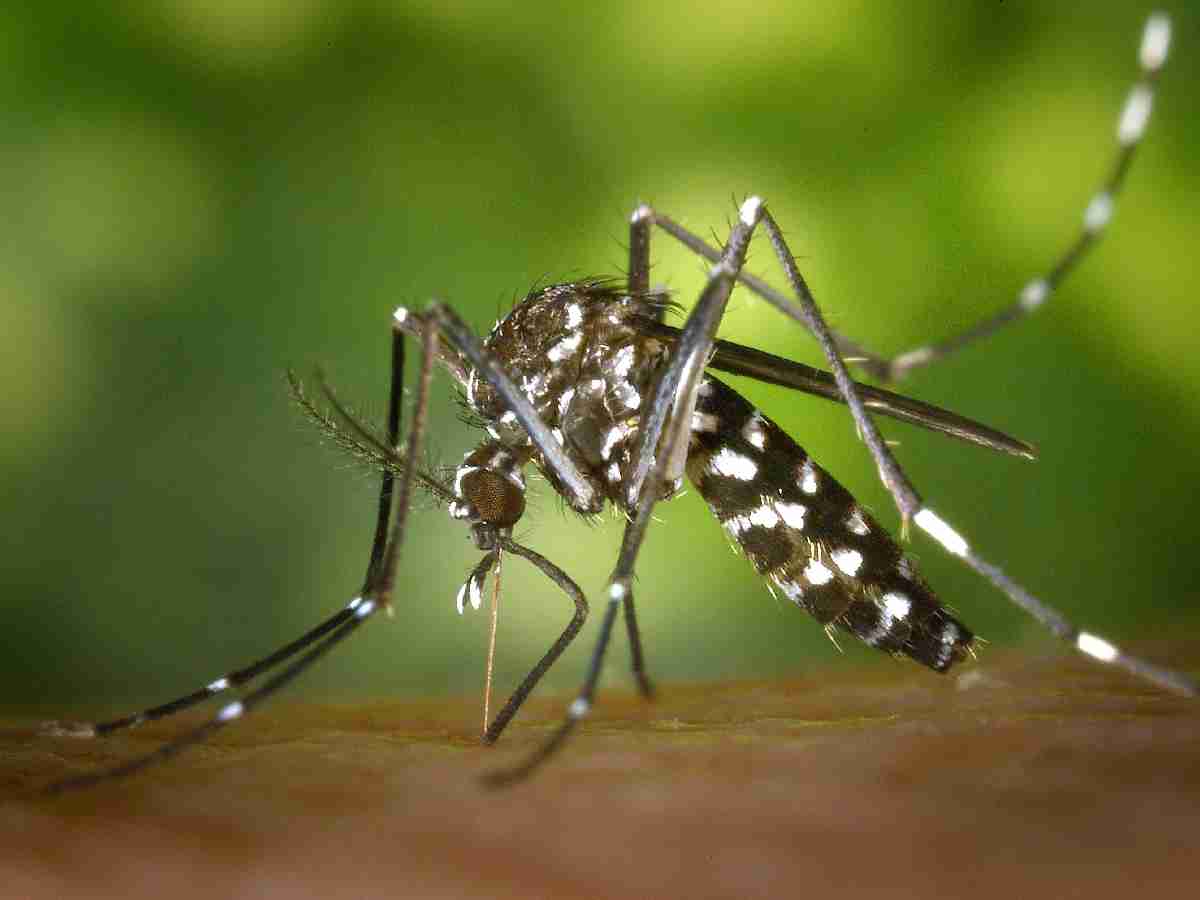
According to Dr Mahajan, stagnant water, whether clean or dirty, provides a perfect environment for Aedes mosquitoes (dengue) and Anopheles mosquitoes (malaria). These insects breed in common household spots such as flower pots, coolers, open containers, clogged drains, construction sites, and even discarded bottle caps.
Dr Tushar Tayal, Consultant – Internal Medicine at CK Birla Hospital, Gurugram, added, “Warm and humid conditions post-rain accelerate mosquito breeding. The key to prevention lies in eliminating these breeding grounds and protecting oneself from bites.”
Doctors strongly recommend weekly inspections at home to remove any standing water, cover overhead tanks, clean coolers, and ensure rooftops and balconies are clear of water accumulation. Preventive measures like mosquito nets, repellents, coils, and wearing full-sleeved, light-coloured clothing—especially during early mornings and evenings when mosquitoes are most active—are also advised.
Citizens are being urged to cooperate with fogging and anti-larval spraying activities conducted by the MCD. These interventions are particularly crucial in high-density areas and ongoing construction zones.
Symptoms and advice for timely diagnosis
Dr Mahajan noted that malaria can present with high-grade fever, chills, headache, and body ache, and if untreated, may lead to severe complications such as jaundice, brain or kidney damage, and even death.
Also Read: Delhi: Spike in illegal arms cases raises alarm in north-east district
“Not every fever during this season is viral. Dengue, malaria, typhoid, and jaundice are all circulating illnesses during the rains. Timely diagnosis and treatment are essential,” she added.
She urged residents to treat all high fevers seriously, consult a doctor promptly, and undergo the necessary blood tests. Preventive steps such as wearing protective clothing and using DEET-based mosquito repellents are vital to avoid mosquito bites.
Contemporary artist Ashima Dhir Sehgal presents her first solo exhibition in India, exploring memory, human…
Traffic near Kashmere Gate will be restricted Wednesday as INDIA bloc holds a joint protest…
CAQM ordered NCR industries to expand PTZ camera coverage by Oct 31, 2026, to monitor…
A 4.9-magnitude earthquake hit Uttarakhand's Chamoli late Tuesday, sending tremors across Dehradun and Delhi-NCR. No…
AUD asked IGDTUW to halt a new security gate at Kashmere Gate, warning it blocks…
The 3-lane Barapullah Phase-III merges into 2 lanes near Sundial Park, creating massive traffic jams;…
