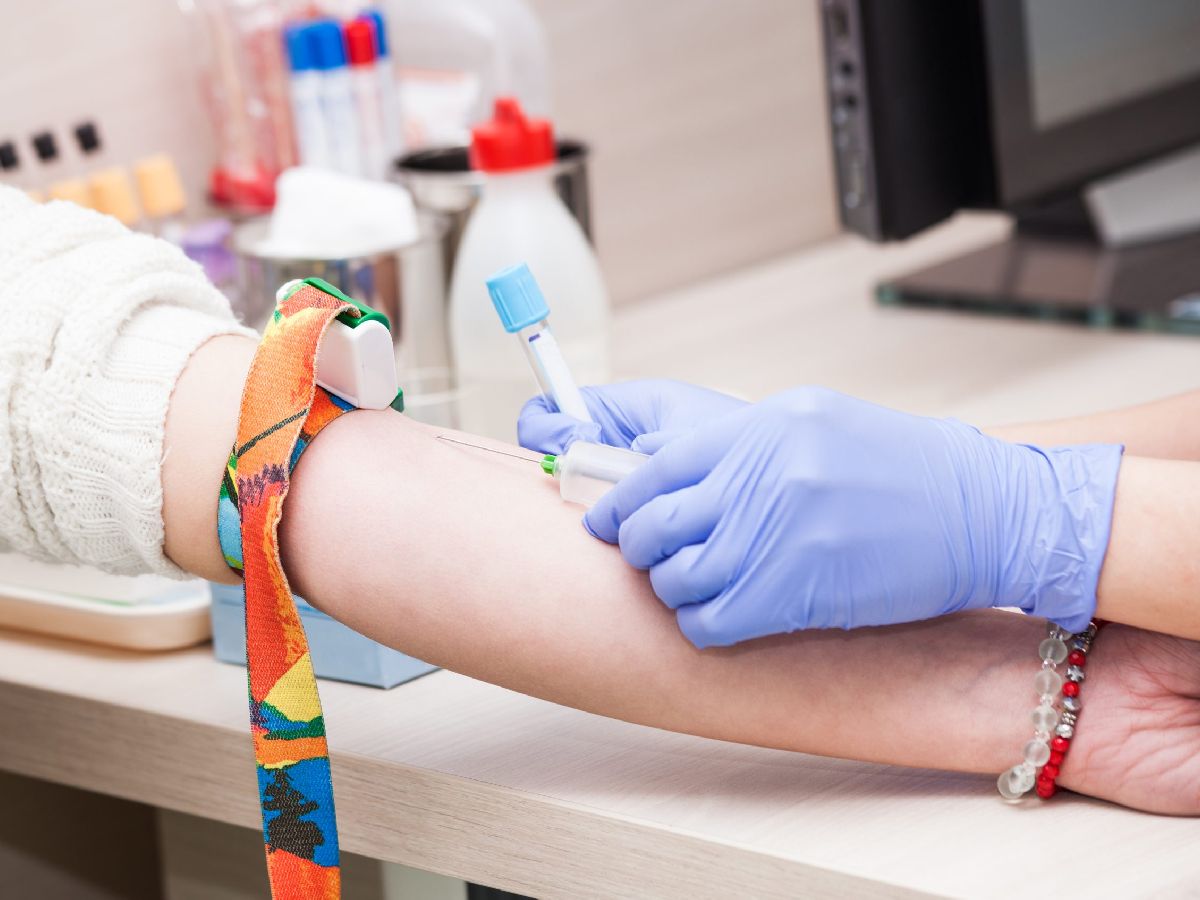
Hemophilia, long regarded as a condition affecting men, is increasingly being recognised as an underdiagnosed disorder in women, with doctors warning that many continue to suffer in silence due to low awareness and frequent misdiagnosis.
Medical experts say women who carry the hemophilia gene often experience symptoms that are either subtle or mistaken for routine gynaecological issues, delaying timely diagnosis and appropriate care.
The concerns come into focus as World Hemophilia Day is observed on April 17, a global initiative led by the World Federation of Hemophilia to raise awareness about hemophilia, von Willebrand disease and other inherited bleeding disorders. This year’s theme, “Diagnosis: First Step to Care,” underscores the urgent need for early detection to improve treatment outcomes.
“Women who carry hemophilia genes often go undiagnosed, as the condition is traditionally associated with men,” said Dr Pavana H N, consultant obstetrician and gynaecologist at Motherhood Hospitals, Noida. “In women, it may present as heavy menstrual bleeding, frequent bruising, prolonged bleeding after procedures, or excessive blood loss during childbirth.”
Often mistaken for routine issues
Doctors point out that these symptoms are frequently attributed to hormonal imbalances or common menstrual problems, rather than an underlying bleeding disorder.
“Many women experience heavy menstrual bleeding or prolonged bleeding after minor injuries, yet these signs are rarely linked to a bleeding disorder,” said Dr Amrita Singh, fertility specialist at Nova IVF Fertility, Delhi-NCR. “They are often told to manage their symptoms, unaware that an inherited condition could be the cause.”
This misinterpretation leads to delayed or missed diagnosis, with some experts estimating that a significant proportion of symptomatic women are identified only much later.
Dr Rayaz Ahmed, principal director of haematology and bone marrow transplant at Max Super Speciality Hospital, Saket, said that nearly 30–50 per cent of women with such symptoms are diagnosed late. “Heavy menstrual bleeding is commonly misinterpreted, and symptoms like excessive bruising, prolonged nosebleeds, or bleeding after dental procedures are often overlooked,” he said.
Expanding on the clinical gaps, Dr Rahul Bhargava, principal director of hematology and bone marrow transplant at Fortis Memorial Research Institute, Gurugram, said the long-held perception of hemophilia as a “male disease” has significantly contributed to the underdiagnosis in women.
“Often labelled merely as carriers, many women with hemophilia-related genetic mutations experience symptoms themselves—yet remain undiagnosed and underserved,” he said. “While men typically show more severe symptoms, women can also present with prolonged bleeding, heavy menstrual cycles, excessive bruising, and complications during childbirth or surgery.”
He added that diagnostic systems have historically been designed around male presentations. “Testing protocols and thresholds have largely been based on how hemophilia appears in men, which further marginalises female patients,” Dr Bhargava said. “Symptoms in women are frequently attributed to hormonal or gynaecological issues rather than an underlying bleeding disorder.”
A ‘silent’ burden
Beyond the physical symptoms, doctors highlight the emotional and psychological toll of living with an undiagnosed condition.
“Women may silently struggle with fatigue, anxiety and repeated medical visits without clear answers,” Dr Amrita Singh said. “This delay not only affects their health but also impacts their confidence and quality of life.”
“For generations, hemophilia has been labelled a ‘man’s disease’, but many women carrying the gene live with unrecognised symptoms,” said Dr Srilakshmi Bramandam, senior consultant gynaecologist and obstetrician at Gleneagles Fortis Hospital, Hyderabad. “They are often told they are merely ‘carriers’, even when their symptoms suggest otherwise.”
Highlighting this overlooked reality, Dr Shrinidhi Nathany, consultant in molecular hematology and oncology at Agilus Diagnostics, said the traditional understanding of hemophilia has contributed significantly to the diagnostic gap in women.
“The condition of hemophilia has been known as a ‘male disease’ for many years, where women are seen merely as carriers,” she said. “However, many women remain unrecognised and continue to suffer from symptoms that are dismissed as normal.”
She explained that despite having two X chromosomes, women can still have reduced clotting factor levels, leading to clinically significant bleeding. “Symptoms such as heavy menstrual bleeding, prolonged bleeding after dental procedures or childbirth, bruising and fatigue are often attributed to hormonal or lifestyle factors rather than a bleeding disorder,” she said.
Dr Nathany also pointed to gaps in screening practices. “Hemophilia testing is not routinely suggested in women, especially in the absence of a known family history,” she said. “Even when there is a family history, tests often only confirm carrier status without assessing clotting factor levels, leaving many symptomatic women undiagnosed.”
Adding a clinical perspective on why cases are missed, Dr Meet Kumar, clinical director and HOD of hematology oncology and bone marrow transplant at Marengo Asia Hospitals, Gurugram, said misconceptions and biological variability both play a role
“The ‘carriers don’t bleed’ myth has long shaped how the disease is understood,” he said. “But carriers can have low clotting factor levels and may actually have mild or even moderate hemophilia.”
He explained that women often present with different bleeding patterns than men. “Instead of joint or muscle bleeds, women typically experience heavy periods, nosebleeds, or excessive bleeding after childbirth, surgery, or dental work—symptoms that are often dismissed as normal or attributed to gynaecological causes,” Dr Kumar said.
He also highlighted the role of biological variation. “Because of a process called X-chromosome inactivation, factor levels in women can vary widely. Two women with the same gene mutation may have very different levels, making diagnosis more complex,” he said.
Dr Kumar noted that gaps in testing further delay diagnosis. “Women are usually not screened unless a male family member is affected, and even then, a single test may not be sufficient as factor levels can fluctuate due to hormones, stress, or pregnancy,” he added. “Many women are diagnosed only after a major bleeding event following surgery or childbirth.”
Adding to this, Dr Owais Nazir, a physician based in Kashmir, said awareness remains critically low at the grassroots level, particularly in smaller towns and rural settings where access to specialised diagnostics is limited.
“In many cases, women continue to normalise excessive bleeding or bruising, not realising it could signal an underlying disorder like hemophilia,” he said. “By the time they reach a physician, they may already have developed complications such as anaemia or severe fatigue due to chronic blood loss.”
Dr Nazir pointed out that primary care physicians often face the challenge of distinguishing between common menstrual complaints and signs of a bleeding disorder. “The symptoms overlap significantly with routine gynaecological conditions, which is why a high index of suspicion is essential,” he said.
“Even something as common as prolonged bleeding after a minor dental procedure or frequent nosebleeds should not be ignored.”
He stressed that delayed diagnosis not only worsens physical health but also places a psychological burden on patients. “Women often go through years of uncertainty, repeated consultations and ineffective treatments before the underlying cause is identified. This can lead to frustration, anxiety and a sense of helplessness,” he added.
Impact on fertility and pregnancy
Undiagnosed hemophilia can have serious implications for reproductive health, affecting conception, pregnancy and childbirth outcomes.
“Recurrent miscarriages, implantation challenges, or excessive bleeding during assisted reproductive procedures may occur if the condition is not identified early,” Dr Pavana said. “Many women come to us with unexplained pregnancy complications without knowing the underlying cause.”
Doctors warn that the risks extend to anaemia, infertility, obstetric haemorrhage and even neonatal complications if the disorder remains untreated.
According to Dr Rayaz Ahmed, the condition can also contribute to chronic fatigue, weakness, endometriosis and polycystic ovarian syndrome, adding to the overall health burden.
Dr Nazir noted that in regions with limited maternal healthcare resources, the risks can be even more severe. “Excessive bleeding during childbirth can become life-threatening if not anticipated and managed properly,” he said. “Identifying at-risk women beforehand allows doctors to plan safer deliveries and ensure the availability of necessary blood products and specialist care.”
Need for early diagnosis
Experts emphasise that early identification of hemophilia in women is crucial for safer medical and reproductive outcomes.
“Recognising a bleeding disorder allows us to plan fertility treatments and pregnancy care more safely,” Dr Pavana said. “With the right diagnosis and multidisciplinary management, women can achieve healthy pregnancies.”
Doctors also call for better training among healthcare providers to identify symptoms and use appropriate diagnostic tools such as clotting factor assays and genetic testing.
“There is growing recognition that women with hemophilia genes are not just carriers—they are patients who need care,” Dr Bramandam said.
Dr Bhargava stressed that addressing the issue requires a broader systemic shift. “Greater awareness, gender-sensitive diagnostic criteria and proactive screening—especially for those with a family history—are essential,” he said. “Recognising women not just as carriers, but as potential patients, is key to improving outcomes.”
Dr Nazir underscored the importance of integrating awareness into routine healthcare systems. “Simple steps such as taking a detailed bleeding history, asking the right questions and referring patients for timely testing can make a significant difference,” he said. “Early diagnosis not only improves clinical outcomes but also reassures patients that their symptoms are real and manageable.”
Experts stress that increasing awareness, breaking cultural silence and improving diagnostic practices are key to addressing what remains a largely invisible health issue.
“Early diagnosis can ensure safer pregnancies, better menstrual management and a sense of relief for patients,” Dr Singh said. “Their struggles are real, valid and treatable.”
BNSS caps custody at 24 hours and requires production before a Magistrate; force permitted only…
An SEM court reserved its order on extending the judicial custody of CJP leaders Saurav…
Delhi recorded its first 'poor' air day of the season on Wednesday as AQI hit…
Stage I of GRAP was invoked later this year in Delhi due to govt's preventive…
DDA plans to resume tethered hot air balloon rides at Baanseera park from Nov 14,…
NDMC is consulting RWAs and traders on draft 2026 property tax bye-laws, seeking feedback on…



