In a remarkable act of humanity and courage, the family of a 21-year-old woman from Delhi, who was declared brain dead following a road accident, donated her organs — saving the lives of five people across the country.
The young woman was admitted to Fortis Hospital in Shalimar Bagh after sustaining a severe head injury. A CT scan revealed a growing intracranial blood clot, and despite intensive medical intervention, her condition deteriorated. She was eventually declared brain dead by a certified committee.
Also read: Delhi joins 5G ambulance revolution
Amid their grief, the family made the selfless decision to donate her organs — including her liver, kidneys, small intestine, and corneas. The retrieval procedure, which took around six hours, was carried out by a multidisciplinary team at Fortis Hospital.
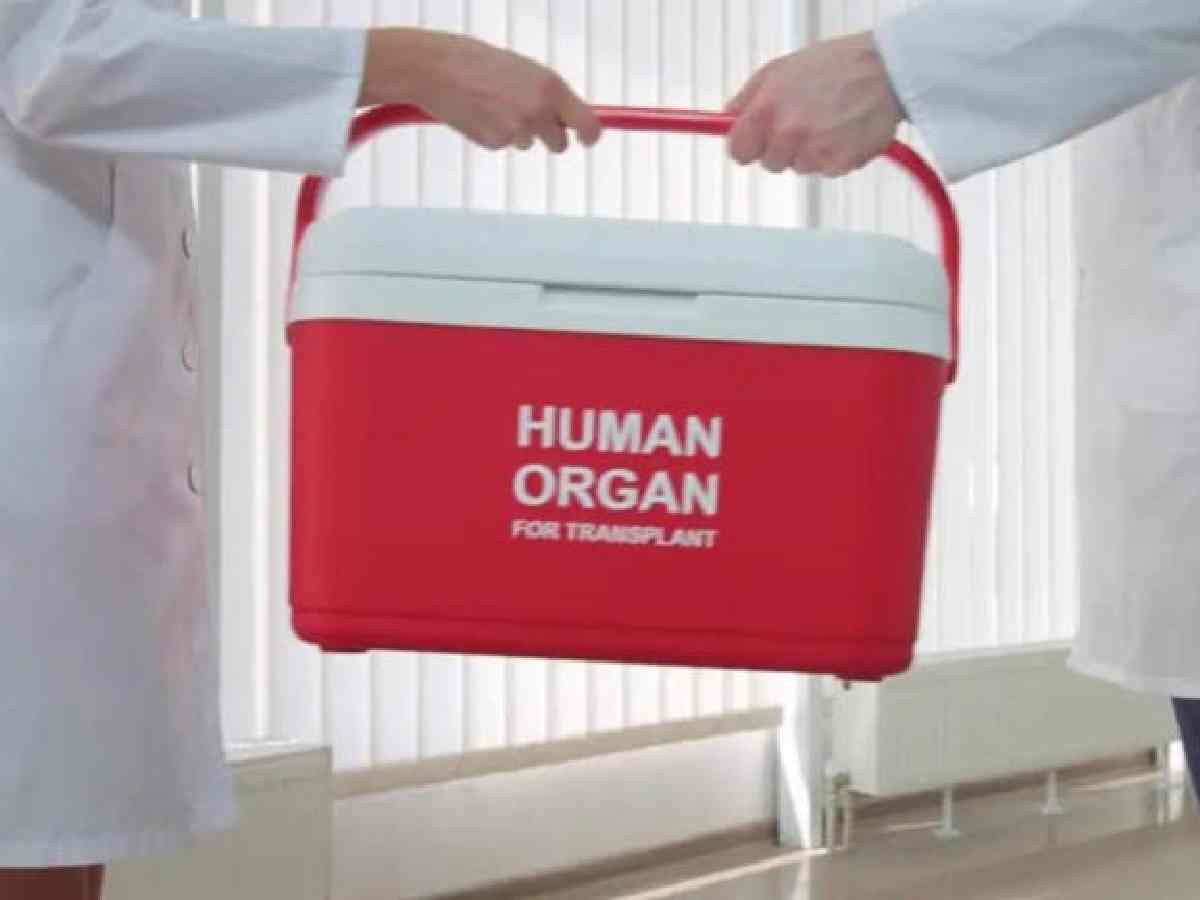
Two of the organs — the liver and one kidney — were transplanted at Fortis Shalimar Bagh. The corneas were sent to Shroff Eye Centre, while her small intestine was transported to Nanavati Max Hospital in Mumbai. To ensure the timely transfer, a green corridor was created between Fortis Shalimar Bagh and Terminal 1 of IGI Airport, enabling the 26 km journey to be completed in just 30 minutes.
“This inspiring case highlights the critical importance of organ donation and the life-changing impact it can have,” said Dr Sonal Gupta, Senior Director and Head of Neurosurgery at Fortis Shalimar Bagh.
Dr Gupta added that while brain injuries often result in tragedy, organ donation allows families to transform their loss into a legacy of hope.
Pankaj Kumar, Senior Director of Critical Care, explained that although severe brain injuries are frequently fatal, the rest of the body’s organs can often remain viable. “A family’s selfless decision in such situations can offer others a second chance at life,” he said.
Also read: Delhi: Two minors held for stabbing 15-year-old boy in Bhajanpura
Deepak Narang, Facility Director at Fortis Shalimar Bagh, praised the coordination involved in the donation and transport process. “We salute the donor’s family and thank NOTTO and the Delhi Traffic Police for their swift efforts in ensuring the transfer happened seamlessly,” he said.
According to the National Organ and Tissue Transplant Organization (NOTTO), India faces a persistent shortage of organ donors. Under existing guidelines, hospitals may counsel families about organ donation after brain death has been declared, and they are responsible for obtaining all necessary clearances.
The young woman’s legacy now lives on in the lives she helped save — a powerful reminder of the hope and healing that organ donation can bring.