As the world observes World Asthma Day today under the theme ‘Make Inhaled Treatments Accessible for ALL’, India stands at the epicentre of a growing health crisis. With over 34.3 million asthma patients, the country accounts for 13% of the global asthma burden and nearly 46% of global asthma-related deaths—the highest reported anywhere in the world.
These alarming statistics point to a serious gap in awareness, timely diagnosis, and disease management. According to the Global Burden of Disease (GBD) report, India’s asthma mortality rate is three times the global average. The number of disability-adjusted life years (DALYs) lost due to asthma is more than double that of many other countries.
“Despite being a treatable condition, asthma continues to claim lives in India due to late diagnosis and poor disease management,” said Dr Vikramjeet Singh, Senior Consultant, Internal Medicine at Aakash Healthcare. He added that deteriorating air quality in many Indian cities is aggravating the crisis by triggering severe attacks and worsening symptoms.
Misinformation, misdiagnosis and lack of access hamper care
Asthma is a chronic condition that causes inflammation and narrowing of the airways, severely affecting quality of life. Yet, experts say many Indians either remain unaware of the early signs or continue to believe in persistent myths.
“One common misconception is that asthma only affects children and can be outgrown,” said Dr Sushrut Ganpule, Consultant, Chest Medicine, Jupiter Hospital, Pune. “Another is that physical activity should be avoided. In reality, regular exercise improves lung function and helps in long-term management.”
Dr Ganpule stressed the importance of timely medical intervention. Severe asthma attacks, he said, can be life-threatening if not treated promptly. “Recognising early warning signs and having a personalised asthma action plan in place can make all the difference.”
Misdiagnosis, especially in rural areas, is another major concern. Many patients either remain undiagnosed or receive incorrect treatment, leading to avoidable complications.
“Early screening is essential, especially in resource-limited settings,” said Dr Manav Manchanda, Director and Head of Respiratory Critical Care and Sleep Medicine, Asian Hospital. He noted that mobile-based diagnostic tools could play a transformative role in identifying patients early and linking them to appropriate care.
Also Read: Delhi joins 5G ambulance revolution
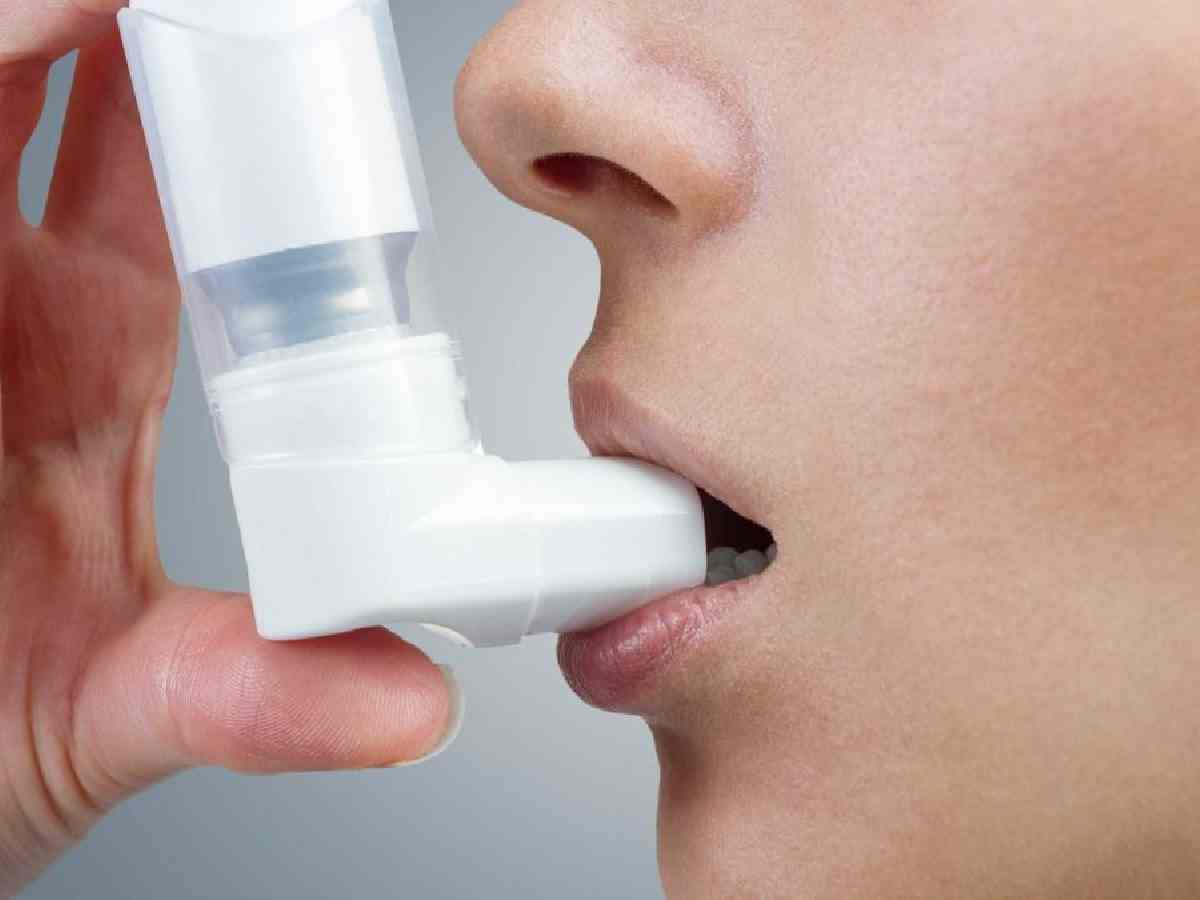
This year, World Asthma Day draws attention to the need for inhaled treatments to be made accessible to all—particularly in underprivileged and remote communities. Inhalers are considered the gold standard for asthma treatment, yet affordability and lack of awareness continue to be major obstacles.
“Access to the right medication is key,” said Dr Aakaar Kapoor, CEO and Lead Medical Advisor at City X-Ray and Scan Clinic Pvt Ltd. He added that digital health tools and mobile apps could help improve treatment adherence while allowing healthcare providers to monitor patient progress more effectively.
Experts agree that symptom management alone is not enough. Prevention and early intervention remain the first line of defence in India’s battle against asthma. Public awareness campaigns, better healthcare access, and tech-enabled support systems are all crucial to reducing the burden and saving lives.