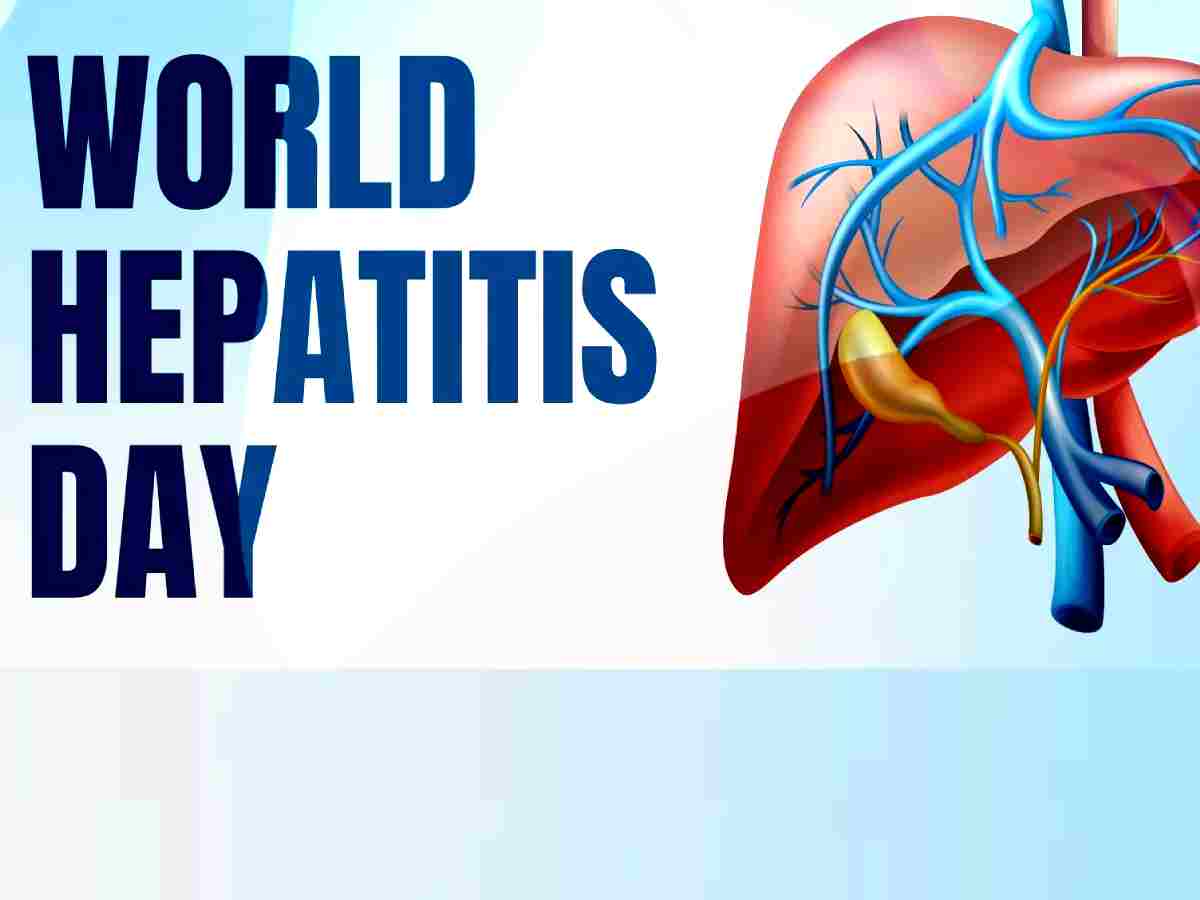
On World Hepatitis Day, hepatologists and public health experts are warning of a silent epidemic that’s slowly but steadily tightening its grip on Delhi. Hepatitis B and C—both viral infections that can lead to cirrhosis, liver failure, and cancer—are being diagnosed with alarming frequency, often in advanced stages when treatment options are limited. Despite the availability of vaccines and effective therapies, awareness, access, and early detection remain critically low.
According to the World Health Organization’s Global Hepatitis Report 2024, India accounts for nearly 11.6% of global hepatitis infections, with 2.98 crore people living with hepatitis B and 55 lakh with hepatitis C. And while these are national figures, Delhi’s contribution is increasingly concerning.
“We are seeing rising infections largely because adult vaccination coverage is negligible and awareness is almost non-existent,” said Dr Saurabh Singhal, Senior Consultant at the Centre for Liver-GI Diseases and Transplantation, Aakash Healthcare. “Most patients come to us only when the disease has progressed to cirrhosis or liver cancer. By then, we’ve already lost precious time.”
The nature of the infections themselves contributes to this delay. Both hepatitis B and C can remain dormant for years, with no visible symptoms. Fatigue, jaundice, or abdominal pain usually appear only once the liver has sustained significant damage. This “silent phase” means routine screening is the only way to catch infections early—but in Delhi, that remains rare, especially among adults who don’t perceive themselves to be at risk.
High-risk groups include people with a history of unprotected sex, unsafe injections or transfusions, healthcare-related exposure, or a family history of hepatitis. The National Viral Hepatitis Control Program recommends routine testing for these groups, yet data suggests that only 2.4% of infected individuals in India are ever diagnosed. In Delhi, around 4 lakh infected samples have been flagged under government screening initiatives since 2018—a fraction of what doctors estimate to be the actual burden.
“Even though Delhi was the first state to introduce hepatitis B vaccination in its immunisation schedule, adult uptake remains extremely low,” Dr Singhal said. A citywide study conducted between April 2021 and August 2022 found that 93.3% of adult respondents had never received a single dose of the hepatitis B vaccine. Only 4.4% were fully vaccinated, though 85% said they would be willing to take it if they had better access and information.
The problem extends into maternity care as well. Hepatitis B can be passed from mother to child during childbirth, making pregnancy an ideal window for screening. Yet many pregnant women, particularly in lower-income neighbourhoods, are never tested.
“Hepatitis B screening during pregnancy is vital because it can prevent lifelong infection in the newborn,” said Dr Kanika Gera Thakral, Consultant – Obstetrics & Gynaecology, Motherhood Hospitals, Noida. “We recommend testing in the first trimester, but there’s a clear gap in awareness and implementation. Most women aren’t told why it matters.”
“Liver failure has no full treatment except liver transplant, and even partial treatments are extremely expensive and inaccessible for most,” said Dr D S Rana, Chairperson, Board of Trustees, Sir Gangaram Hospital. “The reality is that hepatitis is a preventable disease, and prevention is our strongest alternative.”
Beyond Delhi, the situation in northern India, including Kashmir, reflects similar trends. Dr Arjumand Ahmad, a hepatologist working in Srinagar, said he sees increasing cases of end-stage liver disease among people who have never been tested for hepatitis B or C. “In Kashmir and similar regions, people only come to the hospital when they’re severely ill. We often diagnose hepatitis when patients arrive with liver failure or ascites,” he said. “There’s hardly any community awareness about these infections—and almost no routine screening, especially in rural pockets.”
Also Read: Tumour removed from donor organ in rare kidney transplant at Noida hospital
He added that myths and misinformation further complicate treatment. “Many people still believe hepatitis only spreads through food or water. They don’t know that hepatitis B and C are bloodborne and can be passed through unprotected sex, reused syringes, or even from mother to child.”
The economic burden of untreated liver disease is heavy. Once hepatitis progresses, patients often require expensive antiviral medications or liver transplants—interventions out of reach for many. Meanwhile, the stigma associated with hepatitis, especially among women, prevents people from seeking help early.
“Stigma is a huge barrier,” said Dr Singhal. “People hesitate to disclose their status. Many avoid testing altogether, fearing social consequences. This leads to more undiagnosed carriers who unknowingly transmit the virus.”
While the government’s National Viral Hepatitis Control Program (NVHCP) has made important strides, doctors say much more needs to be done. Mass adult vaccination drives, decentralised testing, and stronger community awareness campaigns are essential to reversing the trend.
“There’s nothing technically difficult about controlling hepatitis,” said Dr Ahmad. “We have the vaccines. We have the treatments. What we lack is a public health culture that prioritises awareness and prevention. That has to change.”
With India aiming to eliminate hepatitis as a public health threat by 2030, the urgency is clear. Delhi’s growing caseload, driven by missed opportunities for prevention and late intervention, is a stark reminder of how silent this epidemic remains.
“It’s time we treated hepatitis like the public health priority it truly is,” said Dr Thakral. “The longer we wait, the more lives we put at risk.”